Storm Damage Assessment Process
After severe weather, professional storm damage assessment is critical for insurance claims and protecting your home. Capital City Roofing's certified inspectors use advanced technology to document damage and maximize your claim.
Common Types of Storm Damage
Hail Damage
Hail impacts cause bruising, cracking, and granule loss on shingles. Even small hail (1" diameter) can cause significant damage that compromises shingle integrity and voids warranties.
- • Circular dents or bruises on shingles
- • Granule loss exposing asphalt
- • Dents on metal flashing, vents, or gutters
- • Cracked or broken shingles
Wind Damage
High winds can lift, tear, or completely remove shingles. Wind damage often occurs in patterns—affecting specific roof sections based on wind direction and roof design.
- • Missing shingles or tabs
- • Lifted or creased shingles
- • Exposed underlayment or deck
- • Damaged or missing ridge caps
Debris Impact
Fallen trees, branches, or wind-blown debris can puncture roofs, damage flashing, and cause immediate leaks. This type of damage is usually obvious but requires professional assessment for full extent.
- • Punctures or holes in roof deck
- • Broken or displaced shingles
- • Damaged flashing or gutters
- • Interior water damage or leaks
Water Intrusion
Heavy rain can expose existing vulnerabilities—damaged flashing, worn seals, or compromised underlayment. Water stains on ceilings indicate active leaks requiring immediate attention.
- • Ceiling or wall water stains
- • Attic moisture or mold
- • Damaged or missing flashing
- • Sagging or soft roof deck
Lightning Strikes
Direct lightning strikes can cause catastrophic damage—puncturing roofs, starting fires, or damaging electrical systems. Even nearby strikes can cause shockwave damage to shingles.
- • Burn marks or charring
- • Shattered or exploded shingles
- • Electrical system damage
- • Smoke or fire damage
Ice Dams
Ice buildup at roof edges prevents proper drainage, forcing water under shingles. Common in poorly ventilated attics during winter freeze-thaw cycles.
- • Icicles along eaves
- • Water stains on exterior walls
- • Interior ceiling leaks
- • Damaged or sagging gutters
Professional Assessment Process
Drone Aerial Inspection
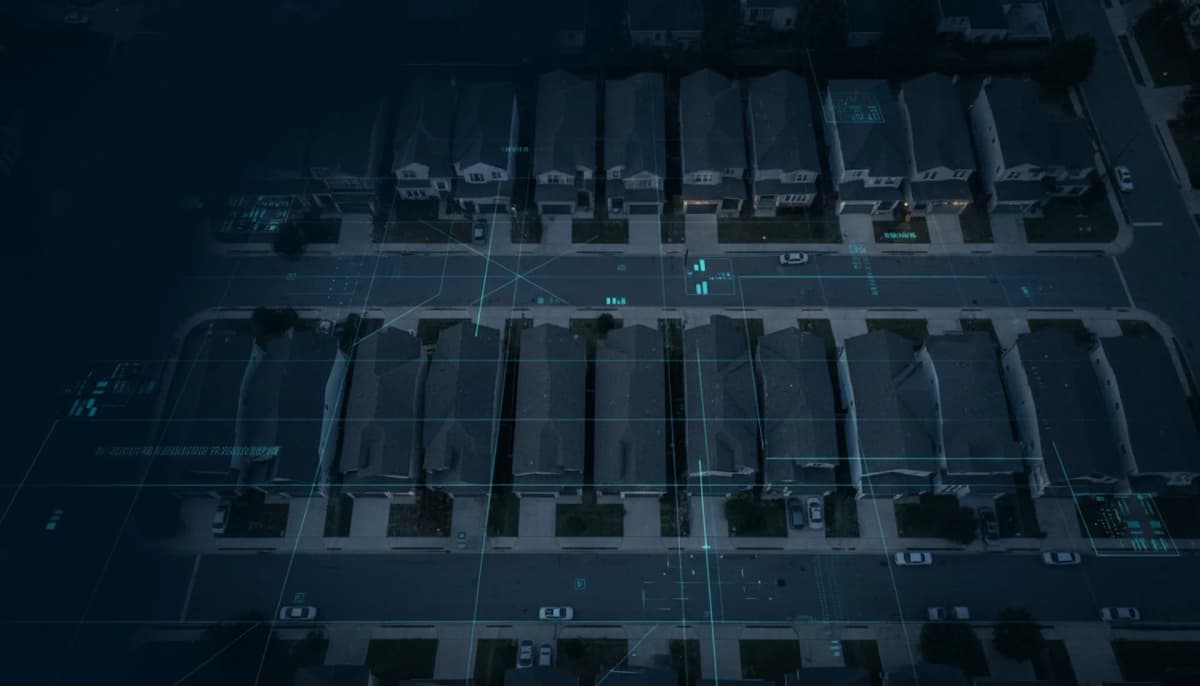
Our certified drone pilots capture high-resolution aerial photos of your entire roof—documenting damage extent, patterns, and specific impact locations. Drone technology allows us to safely inspect steep or high roofs without risking crew safety, and provides the comprehensive documentation insurance adjusters require.
Hands-On Roof Inspection
Our certified inspectors physically examine your roof—checking shingle integrity, flashing condition, and penetration seals. We use specialized tools to measure hail impact sizes, assess granule loss, and identify hidden damage not visible from aerial photos.
Thermal Imaging (When Needed)
For suspected water intrusion, we use thermal imaging cameras to detect moisture trapped in roof decking or insulation. This technology reveals hidden damage not visible to the naked eye—critical for comprehensive insurance claims.
Detailed Written Report
We provide a comprehensive written report documenting all damage findings—including damage type, location, severity, and recommended repairs. This report, combined with our photo documentation, provides the evidence insurance companies need to approve claims.
Insurance Claim Assistance
If significant damage is found, we help you file your insurance claim and work directly with your adjuster during their inspection. We provide all documentation, answer technical questions, and ensure your claim is processed fairly and completely.
Why Professional Assessment Matters
Homeowners who inspect their own roofs after storms often miss significant damage—especially hail impacts that aren't visible from the ground. Insurance companies may deny claims that lack proper documentation, or approve only partial repairs when full replacement is warranted. Professional assessment ensures nothing is missed.
Comprehensive Documentation
Insurance adjusters require specific documentation: aerial photos showing damage extent, close-ups of individual impacts, measurements of hail sizes, and written reports. Our BuilderLync system captures all this automatically.
Maximize Claim Value
Professional assessment often reveals damage homeowners miss—increasing claim values by thousands of dollars. We ensure your claim covers all necessary repairs, not just obvious damage.
Safety First
Climbing on roofs—especially after storms when damage may have compromised structural integrity—is dangerous. Our certified crews have proper safety equipment and training.
Expert Advocacy
We work directly with insurance adjusters during their inspections—providing technical expertise and ensuring all damage is properly documented and approved for repair.
Storm Damage Assessment Questions
How do I know if my roof has storm damage?
Should I call my insurance company before or after the inspection?
How long after a storm should I get my roof inspected?
What documentation do I need for an insurance claim?
Get a Free Storm Damage Assessment
After severe weather, don't wait. Capital City Roofing's certified inspectors will assess your roof and provide comprehensive documentation for insurance claims.