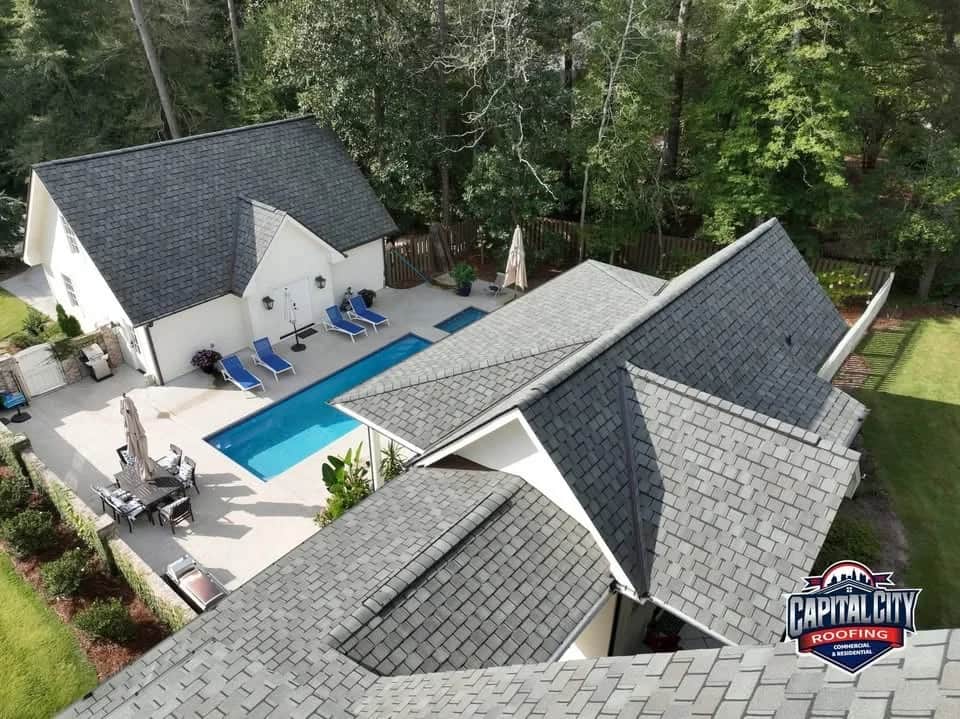
Metal Roofing vs. Asphalt Shingles: A Complete Comparison
Compare the pros, cons, and long-term value of metal roofing against traditional asphalt shingles.
Choosing between metal roofing and asphalt shingles is one of the biggest decisions homeowners face during a roof replacement. Both have distinct advantages, and the right choice depends on your priorities, budget, and long-term plans.
Lifespan
Metal roofing wins handily here, lasting 50-70+ years compared to 20-30 years for asphalt shingles. While you'll pay more upfront for metal, you may never need another roof replacement.
Cost
Asphalt shingles cost $3-7 per square foot installed, while metal roofing ranges from $7-15 per square foot. However, when you factor in the longer lifespan of metal, the cost per year of protection is often comparable.
Energy Efficiency
Metal roofs reflect solar heat, reducing cooling costs by 25-30%. Asphalt shingles absorb heat, which can increase attic temperatures and air conditioning costs, especially in Georgia's hot summers.
Durability
Metal roofing is superior in wind resistance (rated up to 140 mph), hail resistance, and fire resistance. Asphalt shingles are more susceptible to storm damage but are easier and less expensive to repair.
Aesthetics
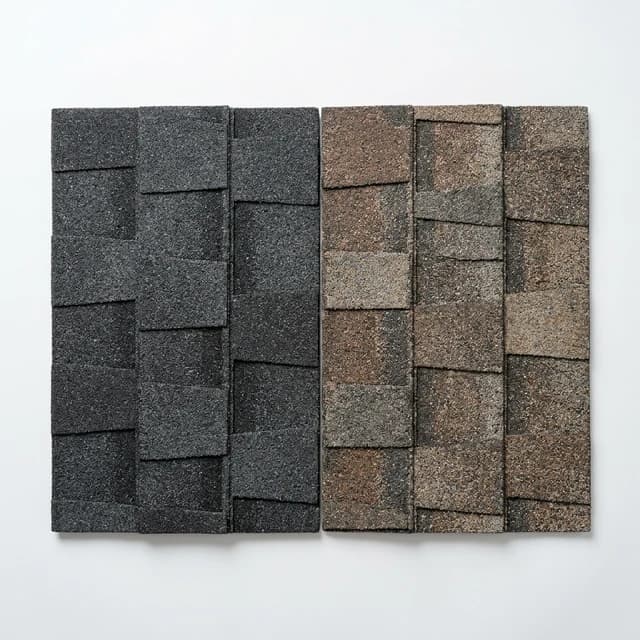
Modern metal roofing comes in a wide variety of styles and colors, including options that mimic traditional shingles. Asphalt shingles offer extensive color and style options at a lower price point.
Resale Value
Both add value, but metal roofing typically increases home value by 1-6%, while a new asphalt shingle roof recovers about 60-70% of its cost at resale.
Our Recommendation
For homeowners planning to stay in their home long-term, metal roofing offers superior value. For budget-conscious homeowners or those planning to sell within 10-15 years, premium asphalt shingles from GAF or CertainTeed are an excellent choice.
Performance Differences That Matter in Georgia's Climate
The metal-versus-asphalt decision in Georgia hinges on specific performance characteristics rather than a blanket "better" or "worse" verdict. Standing seam metal roofing reflects solar radiation more effectively than dark asphalt shingles, which reduces cooling costs during Georgia's six-month warm season. Metal panels also shed water faster due to their smooth surface and interlocking seams, an advantage during the intense downpours that accompany summer thunderstorms. And metal is Class 4 impact-rated by default, meaning it resists hail damage that would require replacing asphalt shingles.
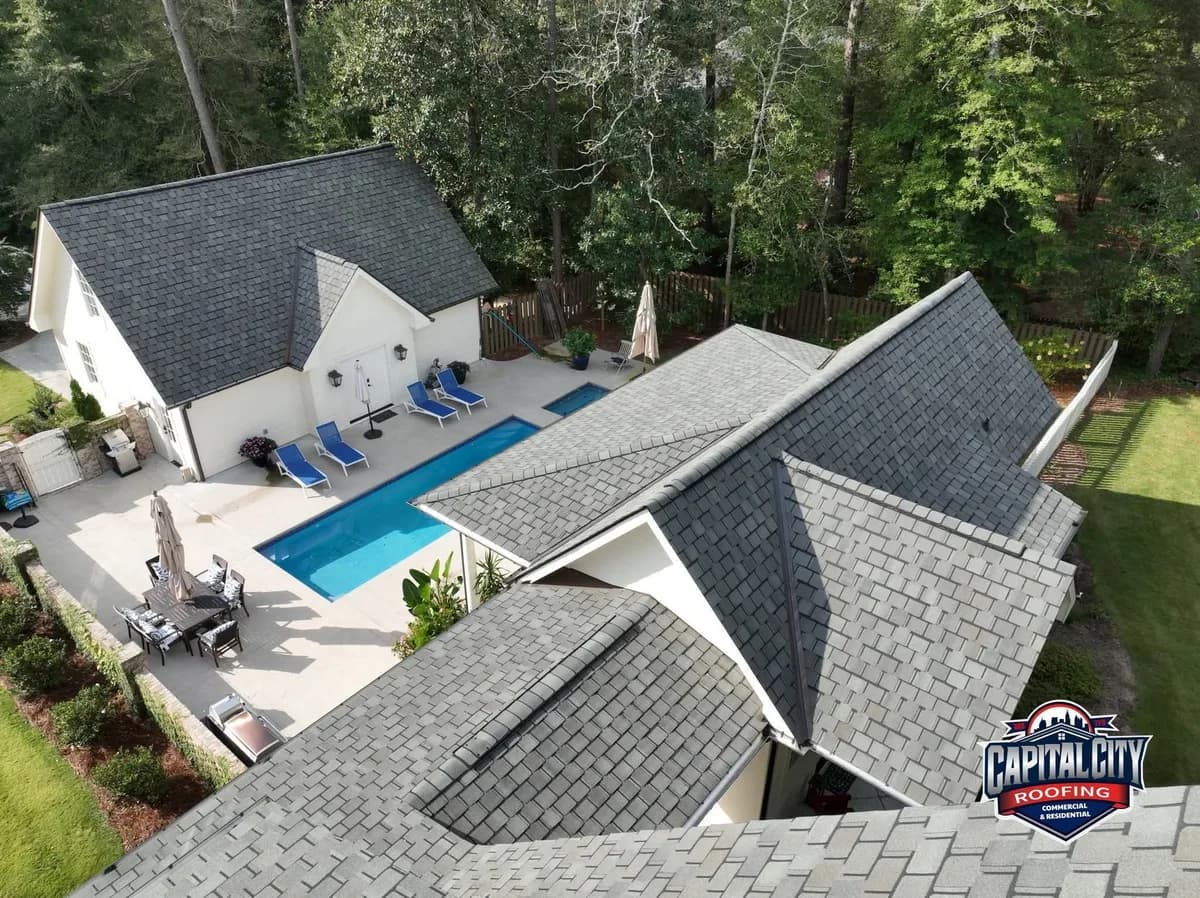
Asphalt architectural shingles, particularly GAF Timberline HDZ and CertainTeed Landmark series products, offer their own advantages. They are quieter during rain, less expensive to install, easier to repair in localized sections, and available in a wider range of colors and profiles that suit traditional Georgia home aesthetics. For homeowners in HOA-governed communities where metal roofing may face architectural restrictions, premium asphalt shingles deliver excellent performance within those constraints.
Cost, Lifespan, and Insurance Considerations
The upfront cost gap is significant: a standing seam metal roof typically costs two to three times more than an equivalent asphalt shingle installation. The lifespan gap partially offsets this: metal roofs routinely last forty to sixty years versus twenty to thirty years for asphalt in Georgia's climate. Whether the longer lifespan justifies the higher upfront cost depends on how long you plan to stay in the home and whether you value the reduced maintenance cycle.
Insurance is where metal roofing delivers a measurable financial return. Many Georgia carriers offer premium discounts ranging from five to twenty-eight percent for Class 4 impact-rated roofing, though specific terms vary by carrier and policy. Over the life of the roof, those annual savings compound into a substantial offset of the initial premium. Capital City Roofing installs both systems and provides honest guidance based on your specific situation. Schedule a free 27-point inspection to assess your current roof's condition. Our credentials are on the certifications page.
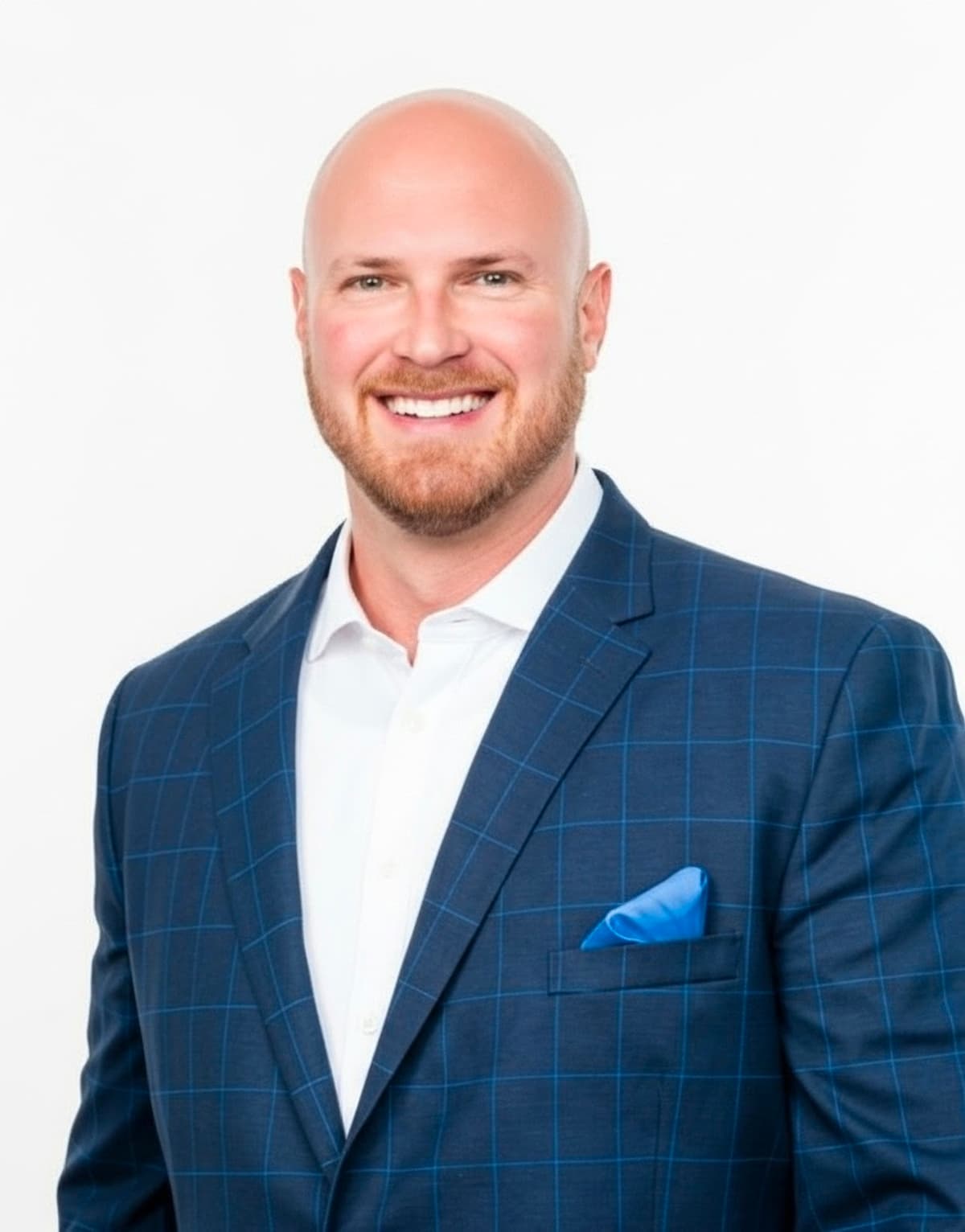
Brad Strawbridge
Founder & CEO · Forbes Business Council Member • RT3 & NRAP Board of Directors • GAF Master Elite® • CertainTeed ShingleMaster™ • NRCA Residential & Workforce Development Committees
Brad Strawbridge is the Founder and CEO of Capital City Roofing, bringing over a decade of hands-on expertise to the industry. He is an official member of the Forbes Business Council, the invitation-only community for vetted senior-level business leaders, and serves on the Boards of Directors of the Roofing Technology Think Tank (RT3) and the National Roofing Apprenticeship Program (NRAP). A member of the National Roofing Contractors Association (NRCA), Brad has been appointed to the NRCA Residential Roofing Committee and the NRCA Workforce Development Committee, helping set national standards for installation quality and the future of the roofing labor force. Under his leadership, Capital City Roofing has earned GAF Master Elite and CertainTeed ShingleMaster Premier, the top contractor credential from each manufacturer.