Fall Roof Preparation: Getting Ready for Winter
Complete fall roof maintenance checklist to prepare Georgia homes for winter weather.
Fall is the critical preparation period for Georgia's winter weather and the perfect time for comprehensive maintenance. From Alpharetta to Roswell and Suwanee, Georgia homeowners should use this window to address any issues before cold weather arrives.
Gutter and Drainage Preparation
Clean gutters thoroughly before leaves fall. Install gutter guards to prevent clogging. Ensure downspouts extend 6+ feet from foundation. Check for proper pitch and drainage.
Roof Inspection and Repairs
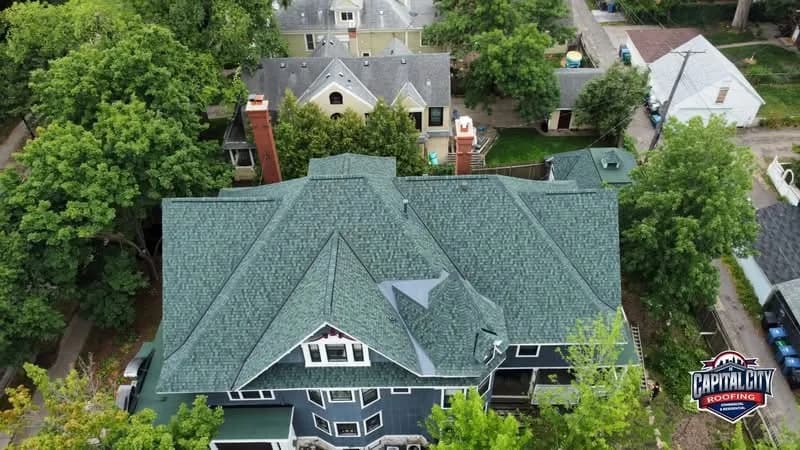
Inspect for summer storm damage, heat-damaged shingles, loose or missing components, and flashing issues. Complete all repairs before winter weather arrives. Fall repairs are typically faster and less expensive than winter emergency repairs.
Attic Insulation and Ventilation
Verify insulation levels meet code (R-38 minimum). Check for proper ventilation to prevent ice dams. Seal air leaks around penetrations. Ensure soffit and ridge vents are clear.
Tree and Vegetation Management
Remove dead branches that could fall during winter storms. Trim branches within 10 feet of roof. Clear moss and algae growth. Ensure proper drainage around foundation.
Winter Readiness
Fall maintenance prevents winter problems including ice dams, leak issues, and storm damage. Schedule professional inspection if your roof is over 10 years old. Document condition for insurance. Capital City Roofing offers free fall inspections throughout Georgia, including Johns Creek, Dunwoody, and Nashville. Explore our residential roofing services for year-round protection.
Timing the Pine-Needle Problem
Fall maintenance in metro Atlanta is really about getting ahead of organic debris, and the calendar matters more than most homeowners expect. Hardwoods drop their leaves in a relatively tidy window, but Georgia's pines shed needles continuously, and those fine needles weave into a dense mat that water cannot pass through. In neighborhoods around Roswell, Cumming, and Johns Creek with mature tree canopy, a single clearing in late autumn is rarely enough. Plan to clear valleys and gutter runs after the first heavy leaf drop and again once the canopy is bare, because debris left sitting through cold, wet weeks traps moisture against shingles and fascia and invites rot exactly where it is hardest to spot.
Pay particular attention to roof valleys and the area behind chimneys. These are natural collection points where leaves pile up, dam water, and force it sideways under the shingle courses. A clear valley moving water freely is one of the cheapest forms of insurance going into winter.
Closing Out the Storm-Damage Window
Fall is also the practical deadline for addressing anything summer storms left behind. Lifted tabs, a cracked pipe boot, or flashing that loosened in July will not heal on their own, and a marginal detail that merely seeps in mild weather can become a steady leak once colder rain arrives and dries far more slowly. Completing repairs while temperatures are still moderate also matters for the materials themselves: shingle sealant strips bond best in warmth, so a tab reset on a 60-degree October afternoon adheres far better than one attempted during a January cold snap.
This is the season to verify your documentation is current, too. Dated photos and a written condition report taken now give you a clean baseline heading into the months when winter wind and ice are most likely to cause fresh damage. Our free 27-Point Inspection delivers that drone-captured record along with a prioritized list of what genuinely needs attention before winter versus what can wait until spring.
Booking early in the fall has a logistical advantage as well. Reputable crews fill their schedules as the weather cools and homeowners across the metro all reach the same conclusion at once. Securing your slot before the rush means repairs are finished while conditions still favor a durable result. If you want a second opinion on a nagging issue, get in touch and we will walk through it with you.
Brad Strawbridge
Founder & CEO · Forbes Business Council Member • RT3 & NRAP Board of Directors • GAF Master Elite® • CertainTeed ShingleMaster™ • NRCA Residential & Workforce Development Committees
Brad Strawbridge is the Founder and CEO of Capital City Roofing, bringing over a decade of hands-on expertise to the industry. He is an official member of the Forbes Business Council, the invitation-only community for vetted senior-level business leaders, and serves on the Boards of Directors of the Roofing Technology Think Tank (RT3) and the National Roofing Apprenticeship Program (NRAP). A member of the National Roofing Contractors Association (NRCA), Brad has been appointed to the NRCA Residential Roofing Committee and the NRCA Workforce Development Committee, helping set national standards for installation quality and the future of the roofing labor force. Under his leadership, Capital City Roofing has earned GAF Master Elite and CertainTeed ShingleMaster Premier, the top contractor credential from each manufacturer.