Roofing Contractor: BuilderLync and Capital City Roofing in The Race to Own Roofing's Operating System
Roofing Contractor's 2026 Technology Special Section put Capital City Roofing and BuilderLync at the center of the fight over who owns a roofing contractor's daily workflow. Here is what the reporting found, and what it means if you are choosing an operating system this year.
Roofing Contractor's 2026 Roofing Technology Special Section asked the question most roofing contractors have not thought hard enough about yet: who owns the software your company runs on, and what do they actually want from you?
The article is The Race to Own Roofing's Operating System, reported by Tanja Kern and Art Aisner and published July 8, 2026. Its subtitle states the stakes plainly: whoever controls the contractor's workflow controls much more than just a subscription.
The reporting names BuilderLync and Capital City Roofing as the contractor-built side of that fight.
The Two New Forces in Roofing Software
For most of the last decade, a roofing contractor shopping for a CRM chose from a familiar short list of software vendors. Roofing Contractor documents two new entrants that changed the field.
Shingle distributors are giving CRM software away. The article reports that Construct CRM, based in Delray Beach, Florida, builds white-label platforms that distributors rebrand as their own. Richards Building Supply launched Richards CRM in August 2025 and added EagleView property intelligence in January 2026. SPEC Building Materials plans its own version in spring 2026, and Mid-Atlantic Roofing Supply is on the same platform. According to Construct, its distributor partners served more than a quarter of U.S. roofing contractors by late 2025.
The terms are hard to argue with on price: no onboarding cost, no contracts, no per-seat fees, no minimum spend. The feature list matches any modern contractor CRM, including project management, instant quoting, invoicing, payments, financing, scheduling and dispatch, and a homeowner dashboard.
Contractors are building and selling their own operating systems. This is where BuilderLync appears. The article notes BuilderLync launched its first version on June 1, that it was built by people who run roofing companies, and that it is not free.
What Roofing Contractor Reported About BuilderLync and Capital City Roofing
The coverage focuses on the overlap between the two companies, and treats that overlap as the product strategy rather than a coincidence.
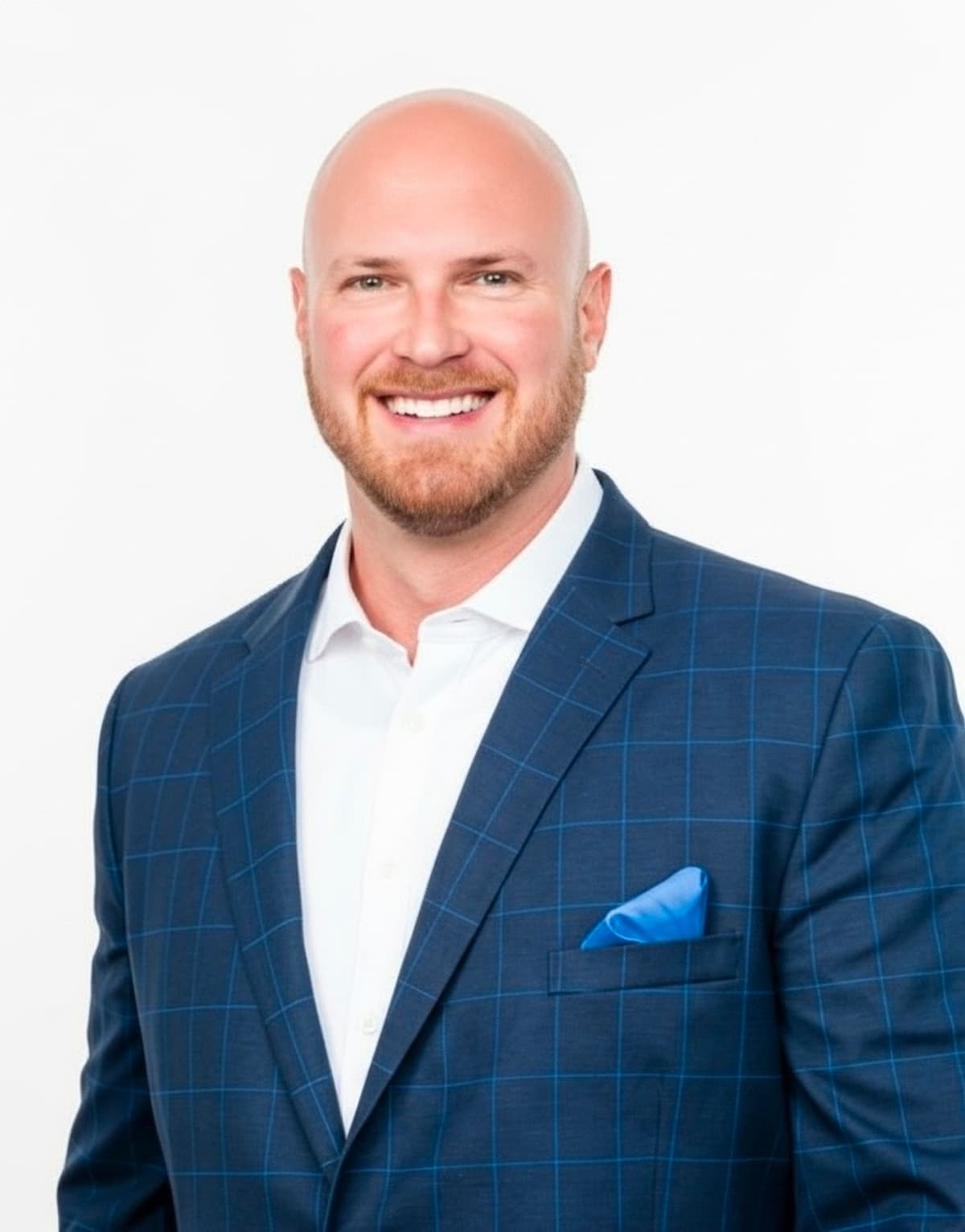
Per the article, the BuilderLync leadership team also operates roofing businesses. Brad Strawbridge founded and runs Capital City Roofing in Alpharetta, Georgia. COO Edward Oueilhe is also Capital City's COO. Chief Product Officer and CISO Sean Richard is Capital City's CTO. Chief Sales Officer Blake Grissom runs Revive Roofing and Exteriors in Charleston and has won the Golden Door award with more than $7 million in personal sales. Chief Growth Officer James Kuntz runs Tarrytown Roofing. Nick Xenos is CTO.
Roofing Contractor reports that Capital City Roofing has been the live testing ground for the main modules in BuilderLync's release, including JobCam, proposals, AI workflows, and automations. The software was in use inside working roofing companies before it launched to anyone else.
The article describes the platform as bringing lead management, scheduling, proposals, communications, reporting, and job documentation into one system across residential, commercial, and multifamily work. It notes the company runs on EOS internally and had its first paying customer before launch.
On the problem the product is aimed at, the article quotes Brad directly on the operator who hits a revenue ceiling because the founder is still doing everything: "We'll run the company, you sell the roof."
The Distinction the Article Draws
The reporting is direct about why a contractor-built platform is a different proposition from a distributor-built one.
Materials sales pay for the free CRMs. Roofing Contractor reports that Construct's platform now drives more than $10 million in monthly material sales, because every contractor quote links straight to the distributor's loading dock. The article puts it this way: the CRM brings contractors in, but the real business is in the material orders. Free software earns purchasing loyalty.
BuilderLync, the article notes, is not built to sell materials. Its aim is to standardize operations and help a network grow. The article is candid that this creates its own kind of lock-in, one focused on the contractor's whole business rather than their purchase order.
The piece also covers the Capital City Roofing Licensing Platform as the structure attached to the software, reporting a $15,000 buy-in against a typical $50,000 franchise fee, a 5% royalty against the usual 10%, and a portfolio-brand model where an established business can keep its name and operate as "powered by Capital City Roofing." Roofing Contractor also reports that the buy-in goes to the company's nonprofit, the Feeding the Future Project, rather than to corporate.
The Rest of the Field
Capital City Roofing is not the only operator to reach this conclusion. The article covers Garen Armstrong of Shamrock Roofing and Construction, who built his own CRM, Trussi.ai, after deciding his company had been renting its operational infrastructure from a software vendor that had never installed a roof. It notes Best Choice Roofing rolling out AI across 80 locations, and vendors including EagleView and Zuper adding AI features.
On the incumbent side, the article quotes ServiceTitan's Vishal Laddha arguing that consolidation, not price, is the real issue: "Siloed systems remain one of the biggest challenges, and contractors are moving away from them." Roofr CEO Richy Nelson makes a related case, that every contractor needs "a system of record they can trust."
The article's own summary of the whole fight is the sentence worth reading twice: the real competition is not about features or monthly price, but about which platform becomes the contractor's main source of truth.
Why This Matters to a Property Owner, Not Just a Contractor
If you own a home, an apartment community, or a commercial building, this is not an abstract software debate. The system your roofer runs on determines whether your inspection findings are documented, whether your proposal reflects what was actually observed on the roof, and whether anyone can tell you the status of your job without making a phone call.
That is why Capital City Roofing built its workflow around a standardized 27-point inspection and the condition data that comes out of it, then automated the paperwork around that standard rather than the other way around. The full explanation of that sequence is in our technology cover-story companion.
Read the Coverage and the Analysis
Read the full Roofing Contractor article first. Then read our contractor-facing breakdown, Distributor CRM vs. Contractor Operating System, which works through the buying decision the article raises but does not resolve.
Brad's operator-side response is on his personal site: Who Owns the Roofing Operating System.
If you are a property owner who wants documented condition data before anyone quotes you a roof, schedule your free 27-point inspection.
Learn more:
Brad Strawbridge
Founder & CEO · Forbes Business Council Member • RT3 & NRAP Board of Directors • GAF Master Elite® • CertainTeed ShingleMaster™ • NRCA Residential & Workforce Development Committees
Brad Strawbridge is the Founder and CEO of Capital City Roofing, bringing over a decade of hands-on expertise to the industry. He is an official member of the Forbes Business Council, the invitation-only community for vetted senior-level business leaders, and serves on the Boards of Directors of the Roofing Technology Think Tank (RT3) and the National Roofing Apprenticeship Program (NRAP). A member of the National Roofing Contractors Association (NRCA), Brad has been appointed to the NRCA Residential Roofing Committee and the NRCA Workforce Development Committee, helping set national standards for installation quality and the future of the roofing labor force. Under his leadership, Capital City Roofing has earned GAF Master Elite and CertainTeed ShingleMaster Premier, the top contractor credential from each manufacturer.