
Roofing Glossary A–Z.
45 terms explained in plain language. The vocabulary that helps you read estimates, talk to adjusters, and know exactly what a contractor is proposing.
A
Architectural Shingles
Multi-layered asphalt shingles that create a dimensional, textured appearance. Also called laminated or dimensional shingles. They offer better wind resistance and longer warranties than 3-tab shingles.
Asphalt Shingles
The most common residential roofing material in the U.S. Made of a fiberglass mat coated with asphalt and mineral granules. Available in 3-tab, architectural, and designer styles.
Attic Ventilation
A system of intake (soffit) and exhaust (ridge) vents that allows air circulation through the attic. Proper ventilation prevents moisture damage, ice dams, and premature shingle aging.
B
Built-Up Roof (BUR)
A commercial flat roofing system made of alternating layers of bitumen and reinforcing fabrics. Known for durability and waterproofing, BUR systems have been used for over 100 years.
Bundle
A package of shingles. Typically 3 bundles = 1 square (100 sq ft of roof coverage), though this varies by shingle type.
C
Cap Shingle
Specially designed shingles used along the ridge or hip of a roof. They provide a finished look and seal the ridge vent.
Counterflashing
Metal flashing installed into masonry (like chimneys) that overlaps step flashing below to create a waterproof seal.
Cricket
A small peaked structure built behind a chimney or other protrusion to divert water away from the junction. Required by code for chimneys wider than 30 inches.
D
Deck / Sheathing
The structural surface (usually plywood or OSB) attached to the rafters that forms the base for the roofing system. All roofing components are installed on top of the deck.
Dormer
A window structure that projects from a sloped roof. Dormers add complexity to roof installation and require careful flashing.
Drip Edge
An L-shaped metal strip installed along the edges of the roof to direct water into the gutter and prevent it from seeping behind the fascia board.
E
EPDM
Ethylene Propylene Diene Monomer, a synthetic rubber membrane used on flat and low-slope commercial roofs. Known for durability, UV resistance, and cost-effectiveness.
Eave
The horizontal lower edge of a roof that overhangs the exterior wall. Eaves are where gutters are typically installed.
Exposure
The portion of a shingle that is visible and exposed to weather after installation. Typically 5–5.5 inches for standard architectural shingles.
F
Fascia
The vertical board that runs along the lower edge of the roof, behind the gutter. It protects the roof edge and provides a mounting surface for gutters.
Flashing
Thin metal pieces installed at roof transitions and penetrations (chimneys, walls, valleys, vents) to prevent water infiltration. The most common source of roof leaks is failed flashing.
Felt / Tar Paper
A traditional underlayment material made of organic or fiberglass mat saturated with asphalt. Largely replaced by synthetic underlayment in modern installations.
G
Gable
The triangular wall section formed by two sloping roof planes meeting at a ridge. A simple gable roof is the most cost-effective roof shape.
Granules
Crushed rock particles embedded in the surface of asphalt shingles. They protect the asphalt from UV damage, add color, and provide fire resistance.
Gutter
A channel mounted at the roof edge that collects rainwater and directs it to downspouts. Proper gutter function is critical for protecting your foundation and landscaping.
H
Hip Roof
A roof design where all sides slope downward to the walls. Hip roofs are more wind-resistant than gables but more expensive to install due to additional complexity.
Hail Damage
Impact damage from hailstones that can crack, dent, or displace shingle granules. Even small hail (1 inch+) can compromise shingle integrity and is a valid insurance claim.
I
Ice Dam
A ridge of ice that forms along the eave, preventing melting snow from draining. Caused by poor attic insulation or ventilation. Ice dams cause water to back up under shingles and leak into the home.
Ice-and-Water Shield
A self-adhering waterproof membrane installed in leak-prone areas (valleys, eaves, around penetrations). It seals around nails driven through it, providing superior leak protection.
M
Modified Bitumen
A commercial flat roofing material made of asphalt reinforced with fiberglass or polyester. Applied in rolls using heat, cold adhesive, or self-adhesion.
Membrane Roof
A single-ply roofing system (TPO, PVC, or EPDM) used on flat and low-slope commercial roofs. Membranes are lightweight, reflective, and watertight when properly installed.
O
OSB (Oriented Strand Board)
An engineered wood panel used as roof decking. Made of compressed wood strands bonded with resin. Less expensive than plywood but performs similarly for roofing applications.
P
Pipe Boot
A rubber or metal flashing installed around plumbing vent pipes that protrude through the roof. Pipe boots deteriorate over time and are one of the most common sources of leaks.
Pitch / Slope
The angle or steepness of a roof. Measured as a ratio of vertical rise to horizontal run (e.g., 6/12 means the roof rises 6 inches for every 12 inches of horizontal distance). Higher pitch = more complex installation.
Ponding
Standing water on a flat roof that doesn't drain within 48 hours after rainfall. Ponding accelerates membrane deterioration and adds dangerous structural weight.
R
Ridge
The horizontal line at the top of the roof where two sloping planes meet. Ridge caps and ridge vents are installed along this line.
Ridge Vent
A continuous vent installed along the ridge that allows hot air to escape from the attic. Works best when paired with soffit vents that provide intake air.
R-Value
A measure of insulation's ability to resist heat flow. Higher R-values mean better insulation. Georgia code typically requires R-38 or higher attic insulation.
S
Soffit
The finished underside of the eave overhang. Soffits often contain ventilation openings (soffit vents) that allow fresh air to enter the attic.
Square
A unit of measurement in roofing equal to 100 square feet of roof area. A typical home is 20–35 squares.
Step Flashing
Small L-shaped pieces of metal flashing installed in a step pattern where the roof meets a vertical wall. Each piece overlaps the one below it, channeling water away.
Starter Strip
A row of shingles installed along the eave before the first course of full shingles. The adhesive strip on starters seals the first row against wind uplift.
T
Tear-Off
The complete removal of all existing roofing materials down to the deck. A full tear-off is necessary for proper inspection of the deck and optimal installation of the new roof.
TPO (Thermoplastic Polyolefin)
A single-ply white membrane used on flat commercial roofs. TPO is energy-efficient (reflects UV), cost-effective, and heat-welded for watertight seams.
Three-Tab Shingles
The most basic asphalt shingle with a flat, uniform profile and three evenly spaced tabs. Lower cost but shorter lifespan and less wind resistance than architectural shingles.
U
Underlayment
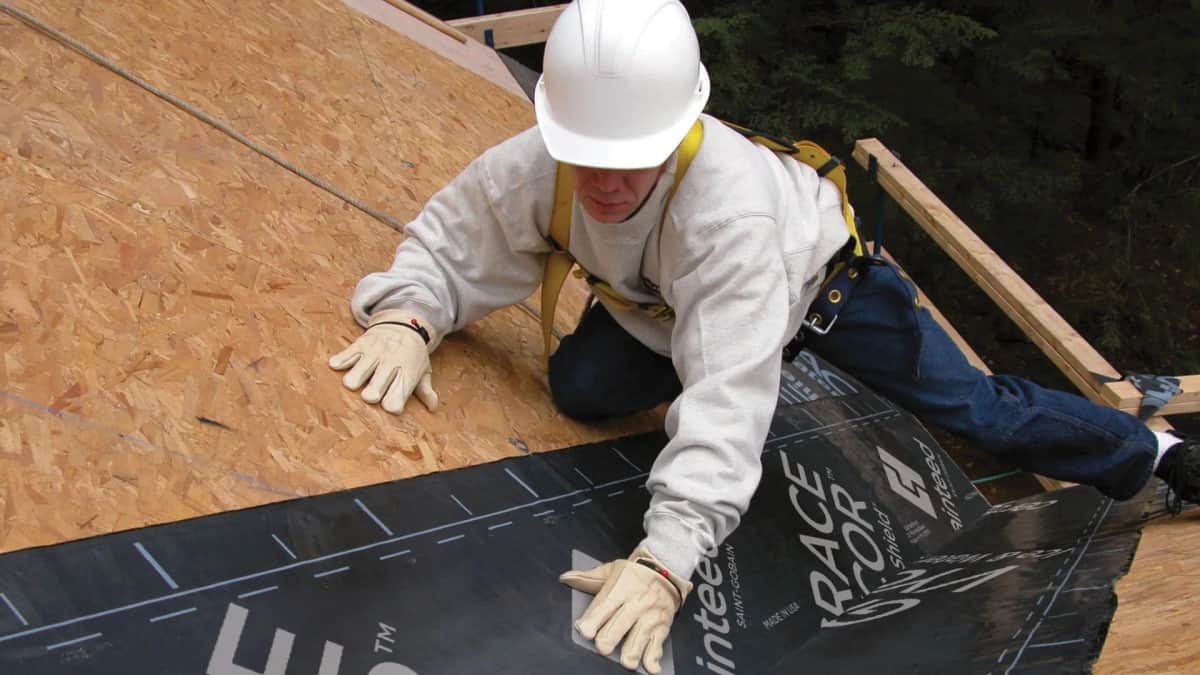
A protective layer installed over the roof deck before shingles. Modern synthetic underlayment is waterproof, tear-resistant, and provides a secondary barrier against leaks.
V
Valley
The V-shaped angle where two roof slopes meet. Valleys channel a high volume of water and require special flashing and underlayment to prevent leaks.
Ventilation
The system of air intake and exhaust that controls temperature and moisture in the attic space. Balanced ventilation is critical for roof longevity and energy efficiency.
W
Wind Uplift
The force of wind pushing upward on roofing materials. Proper nailing patterns, starter strips, and adhesive strips are designed to resist wind uplift.
Workmanship Warranty
A warranty provided by the installing contractor that covers labor and installation defects. Separate from the manufacturer's material warranty and equally important.
Still have questions?
Our roofing experts are happy to explain any term in the context of your specific project. Get a free consultation.