Charleston Coastal Roofing Guide: Hurricane-Ready and Wind-Rated Systems for the Lowcountry
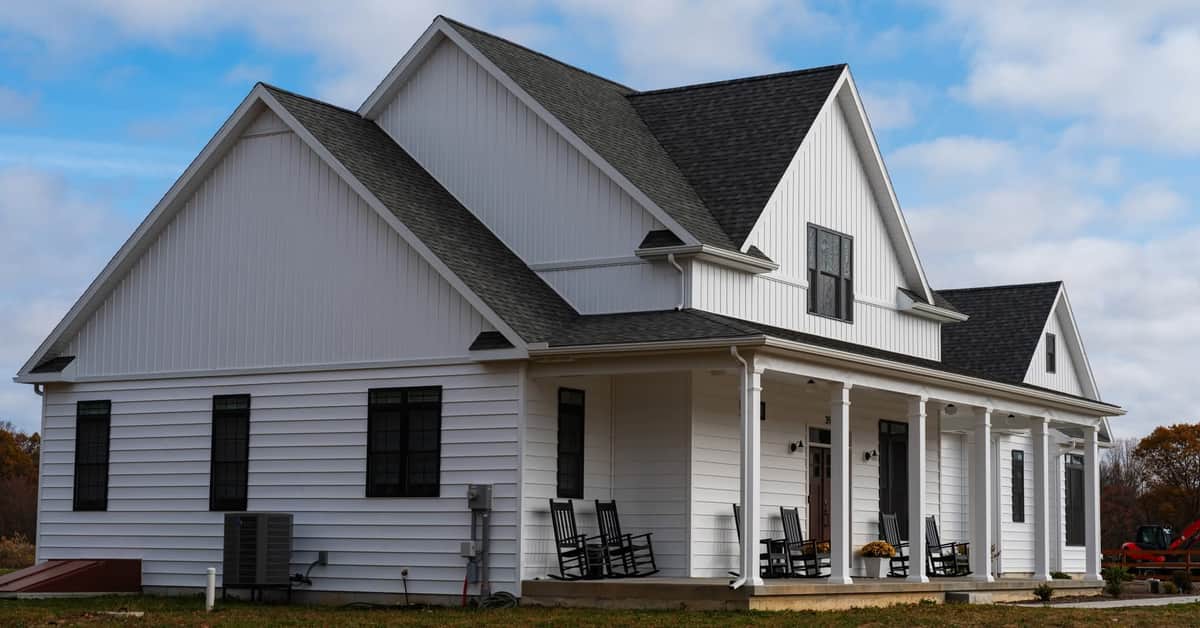
Charleston's coastal location demands roofing systems engineered for hurricane-force winds, salt air corrosion, and intense UV exposure. This guide covers FORTIFIED certification, wind-rated shingles, coastal commercial systems, and what Lowcountry property owners need to know before the next storm season.
Living in Charleston means accepting a reality that most of the country does not face: your roof is the first line of defense against hurricanes. The Lowcountry sits in one of the most active hurricane corridors on the Atlantic seaboard, with direct exposure to tropical systems from June through November every single year. Add 50-plus inches of annual rainfall, relentless salt air, and intense UV radiation, and you have a climate that punishes roofing systems harder and faster than almost anywhere else in the Southeast.
This is not a market where standard roofing specifications are good enough. Charleston demands coastal-grade materials, hurricane-code-compliant installation methods, and a contractor who understands the difference between a roof that looks finished and a roof that will survive a Category 3 wind event.
At Capital City Roofing, we built our Charleston division specifically around these coastal realities. Here is what every Lowcountry homeowner and commercial property owner needs to know.
Hurricane Season and What It Means for Your Roof
Atlantic hurricane season runs from June 1 through November 30, with the most active period typically falling between August and October. Charleston has been hit or brushed by major tropical systems repeatedly over the past decade, and forecasters continue to predict above-average seasonal activity driven by warmer-than-normal sea surface temperatures.
What does that mean for your roof? Consider the wind speeds involved:
- Category 1 hurricane: 74 to 95 mph sustained winds
- Category 2 hurricane: 96 to 110 mph sustained winds
- Category 3 hurricane: 111 to 129 mph sustained winds
- Category 4 hurricane: 130 to 156 mph sustained winds
Standard three-tab shingles are rated for 60 to 70 mph. Even premium architectural shingles without enhanced installation methods often top out at 110 mph. That means a Category 2 storm can exceed the rated wind resistance of most residential roofing systems installed without hurricane-specific details.
Beyond wind, hurricane events bring wind-driven rain that finds every gap in flashing, every unsealed penetration, and every underlayment weakness. Flying debris from neighboring properties, trees, and construction materials creates impact damage that compounds wind and water intrusion. The combination is why Charleston's coastal building codes are among the strictest in the Southeast.
FORTIFIED Roof Certification: The Gold Standard for Coastal Protection
The Insurance Institute for Business and Home Safety (IBHS) developed the FORTIFIED program specifically for properties in hurricane, hail, and high-wind zones. A FORTIFIED roof is not just a marketing label. It is a verified construction standard with three tiers: FORTIFIED Roof, FORTIFIED Silver, and FORTIFIED Gold.
For Charleston homeowners, the FORTIFIED Roof designation delivers measurable protection:
- Sealed roof deck: Every seam in the roof decking is sealed with self-adhering modified bitumen tape or peel-and-stick underlayment, creating a secondary water barrier if shingles are lost during a storm.
- Enhanced attachment: Ring-shank nails or screws at closer spacing secure the roof deck to the structure, reducing the risk of deck uplift in high winds.
- Drip edge compliance: Metal drip edge installed to FORTIFIED specifications prevents wind-driven rain from entering at the roof-to-fascia transition.
- Shingle attachment: Six nails per shingle instead of four, with starter strips cemented at the eave and rake edges.
The financial incentive is real. South Carolina insurers increasingly offer premium discounts for FORTIFIED-certified roofs. Some Lowcountry homeowners report annual premium reductions of 15 to 30 percent, which means the upgraded installation pays for itself within a few years.
Capital City Roofing installs FORTIFIED-compliant roof systems across the Charleston metro, including Mount Pleasant, North Charleston, Summerville, and James Island.
Wind-Rated Shingle Systems for Lowcountry Homes
Not every shingle is built for coastal performance. Charleston requires shingles rated for 130-mph wind zones, and the installation method matters as much as the product itself.
GAF Timberline HDZ
GAF's Timberline HDZ features the StrikeZone nailing area with LayerLock technology, designed for faster installation with consistent nail placement. The HDZ carries a 130-mph limited wind warranty when installed according to GAF specifications with the required starter strip and ridge cap components.
CertainTeed Landmark PRO
CertainTeed's Landmark PRO architectural shingle delivers a Max Def color palette with NailTrak technology for accurate fastener placement. It carries wind resistance ratings suitable for coastal applications when installed with CertainTeed's recommended six-nail pattern and enhanced starter strip system.
Enhanced Installation Details
In Charleston's wind zone, the shingle product is only half the equation. Capital City Roofing installs every coastal residential roof with:
- Six nails per shingle (not four)
- Ice-and-water shield underlayment at all eaves, valleys, and penetrations
- Starter strip adhesive reinforcement at eave and rake edges
- Enhanced flashing at all wall-to-roof transitions
- Corrosion-resistant fasteners rated for salt air exposure
These details are the difference between a roof that survives a hurricane and one that ends up in the neighbor's yard.
Coastal Commercial Roofing: Engineered for the Lowcountry
Charleston's commercial roofing environment is defined by three factors that do not exist in inland markets: salt air corrosion, hurricane-force wind uplift, and intense coastal UV degradation. Standard commercial roofing specifications from inland markets will fail prematurely on the Charleston peninsula.
Blake Grissom and the Revive Roofing and Exteriors partnership lead Capital City Roofing's Charleston commercial roofing division, delivering institutional-grade membrane systems to the Lowcountry's most demanding facilities.
Institutional and Military Facilities
- MUSC Health campus: The Medical University of South Carolina operates one of the Southeast's largest academic medical centers, with dozens of low-slope buildings requiring membrane systems that resist ponding water, wind uplift, and salt-driven corrosion.
- Joint Base Charleston: One of the Department of Defense's busiest joint bases, maintaining massive hangar, warehouse, and administrative facilities requiring FM Global-rated roofing.
- Charleston International Airport (CHS): Terminal, cargo, and maintenance buildings serving over five million passengers annually.
- Port of Charleston: Warehouse and logistics facilities along the Cooper River ranked among the East Coast's busiest container ports.
Coastal-Grade Membrane Systems
Every commercial installation in Charleston uses materials specifically rated for coastal exposure:
- TPO (80-mil): Thicker-gauge TPO with corrosion-resistant fasteners and FM Global I-90 wind uplift certification. Heat-welded seams resist salt air degradation far longer than taped alternatives.
- PVC membrane: Superior chemical resistance for manufacturing, food processing, and laboratory environments. PVC's inherent resistance to salt and moisture makes it the premium choice for waterfront commercial properties.
- EPDM (90-mil): Proven waterproofing for warehouse and industrial applications, with fully adhered attachment methods that eliminate fastener penetrations vulnerable to salt corrosion.
Salt Air Corrosion: The Hidden Threat to Lowcountry Roofs
Homeowners who relocate to Charleston from inland markets often underestimate how aggressively salt air attacks roofing components. Salt-laden moisture corrodes standard galvanized fasteners, deteriorates metal flashing, and accelerates granule loss on shingles.
The corrosion timeline in coastal Charleston is significantly compressed compared to inland markets:
- Standard galvanized nails: Can show visible corrosion within 3 to 5 years in coastal zones
- Standard aluminum flashing: Pitting and surface degradation within 5 to 7 years
- Standard drip edge: Rust-through failure within 5 to 8 years
Capital City Roofing addresses this with corrosion-resistant specifications on every Charleston installation:
- Stainless steel or hot-dipped galvanized fasteners rated for coastal exposure
- Aluminum or painted steel flashing with enhanced corrosion coatings
- Baked-enamel drip edge designed for salt air environments
We also recommend an accelerated maintenance schedule for coastal properties. Where an inland roof might need professional inspection every two to three years, Charleston properties benefit from annual inspections to catch corrosion-related issues before they become expensive failures.
Insurance Claims and Storm Damage in Coastal South Carolina
When a tropical system or severe thunderstorm damages your roof, the insurance claim process determines whether you get a fair settlement or absorb thousands of dollars in out-of-pocket costs. Capital City Roofing's insurance claims coordination process is built to protect the homeowner at every stage.
BuilderLync documentation: Our proprietary operating platform captures high-resolution drone imagery, detailed damage measurements, and annotated photo reports that create an irrefutable record for your insurance claim. This is the same system we use in every market we serve.
Adjuster coordination: We meet your insurance adjuster on-site, walk the roof together, and ensure every line item of damage is documented and included in the scope. This is not adversarial. It is thorough.
Post-hurricane rapid response: When a major storm event hits the Lowcountry, our Charleston team deploys emergency tarping crews and begins inspections within 24 to 48 hours. Speed matters because secondary water damage from an exposed roof can exceed the cost of the original wind damage.
For storm damage roofing needs across the Charleston metro, our local team is positioned for rapid deployment.
Why Charleston Property Owners Choose Capital City Roofing
Capital City Roofing is not a storm-chasing contractor who shows up after a hurricane and disappears after the check clears. We operate a permanent Charleston division led by Blake Grissom through our Revive partnership, with local crews, local accountability, and a long-term commitment to the Lowcountry market.
Our credentials back that commitment:
- GAF Master Elite Contractor: Top 1% of roofing contractors nationwide
- CertainTeed ShingleMaster Premier: Highest residential certification level
- GAF Commercial Certified: Factory-trained commercial membrane installation
- GenFlex Commercial Certified: Specialized single-ply membrane credentials
- NRCA Member: National Roofing Contractors Association membership
- NDL Warranty Eligible: No Dollar Limit manufacturer warranties available on qualifying installations
Every system we install across Charleston, Mount Pleasant, North Charleston, Summerville, Goose Creek, and Hanahan carries the same operational standards that built Capital City Roofing into one of the fastest-growing roofing companies in the Southeast.
About the Author
Brad Strawbridge is the founder and CEO of Capital City Roofing and wrote charleston coastal roofing hurricane wind rated systems and co-founder of BuilderLync, the CRM and operating platform purpose-built for roofing contractors. A Forbes Business Council member and director on the RT3 and NRAP boards, Brad built Capital City Roofing on an AI-first operating model serving Greater Atlanta, Nashville, Charleston, and Greenville. He writes about roofing operations, AI adoption, and scaling service businesses at bradstrawbridge.com.
Related Reading
- Storm Season Roof Preparation Guide
- Hurricane Season Roof Checklist: Protecting Your Home
- Understanding Hail Damage: A Homeowner's Complete Guide
- How Your Roof Insurance Claim Actually Works
- TPO vs EPDM vs PVC: Commercial Flat Roof Comparison
Ready to protect your Lowcountry property? Schedule a free coastal roof inspection or call our Charleston team directly. Whether you need a FORTIFIED certification, a commercial membrane assessment, or post-storm damage documentation, Capital City Roofing is your local partner for hurricane-ready roofing in Charleston.
Brad Strawbridge
Founder & CEO · Forbes Business Council Member • RT3 & NRAP Board of Directors • GAF Master Elite® • CertainTeed ShingleMaster™ • NRCA Residential & Workforce Development Committees
Brad Strawbridge is the Founder and CEO of Capital City Roofing, bringing over a decade of hands-on expertise to the industry. He is an official member of the Forbes Business Council, the invitation-only community for vetted senior-level business leaders, and serves on the Boards of Directors of the Roofing Technology Think Tank (RT3) and the National Roofing Apprenticeship Program (NRAP). A member of the National Roofing Contractors Association (NRCA), Brad has been appointed to the NRCA Residential Roofing Committee and the NRCA Workforce Development Committee, helping set national standards for installation quality and the future of the roofing labor force. Under his leadership, Capital City Roofing has achieved elite certifications held by fewer than 1% of contractors nationwide.