
Understanding Hail Damage: A Homeowner's Complete Guide

Learn how to identify hail damage, understand its impact on your roof, and navigate the insurance claim process effectively.
Hail damage to roofs varies significantly based on hail size, wind speed, roof age, and roofing material. Understanding these factors is essential for Georgia homeowners, whether you're in Alpharetta, Johns Creek, Nashville, or Greenville.
How Hail Damages Roofing Systems
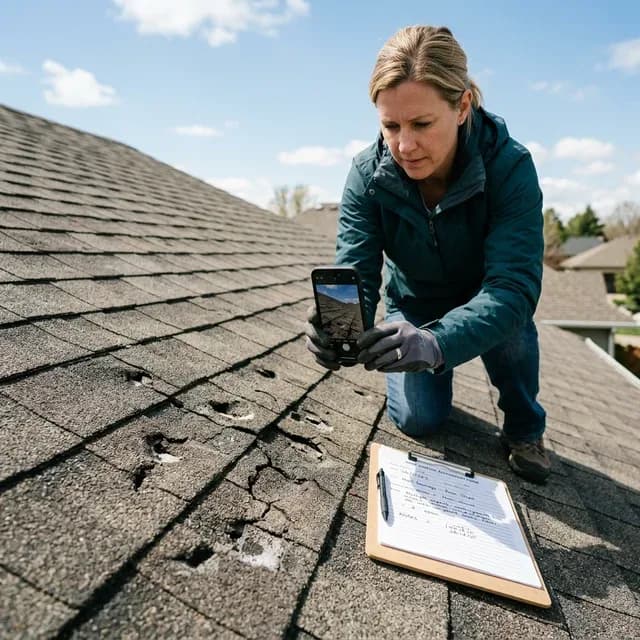
Even pea-sized hail can damage older or brittle shingles, while golf ball-sized hail causes severe damage to nearly any roofing system. The impact creates bruising on asphalt shingles-areas where granules are knocked off, exposing the underlying mat. This granule loss accelerates aging and compromises the shingle's ability to shed water and protect against UV rays. Metal roofing typically shows denting, while tile roofs may crack or shatter.
Identifying Hail Damage on Your Roof
Hail damage isn't always visible from the ground, making professional inspection critical after severe weather. Common signs include missing granules creating dark spots on shingles, circular impact marks or bruising, cracked or broken shingles, dented metal flashing or vents, and damaged gutters or downspouts. Interior signs include water stains on ceilings after rain or increased attic moisture.
Hail Size and Damage Correlation
The National Weather Service classifies hail by size. Pea-sized hail (1/4 inch) rarely damages quality roofing. Quarter-sized hail (1 inch) typically causes cosmetic damage. Golf ball-sized hail (1.75 inches) creates severe functional damage requiring replacement. Georgia experiences all these hail sizes during severe weather season, with the northern metro Atlanta area - including Roswell and Dunwoody - particularly susceptible to large hail from supercell thunderstorms.
The Insurance Claim Process
Filing a successful hail damage claim requires prompt action, thorough documentation, and expert coordination. Contact your insurance company immediately after a hail event. Capital City Roofing coordinates directly with insurance adjusters, meeting them on-site to ensure all damage is properly documented. Our BuilderLync reports provide detailed evidence that adjusters trust. We handle supplement filings when initial estimates miss damage, ensuring complete coverage.
Why Professional Inspection Matters
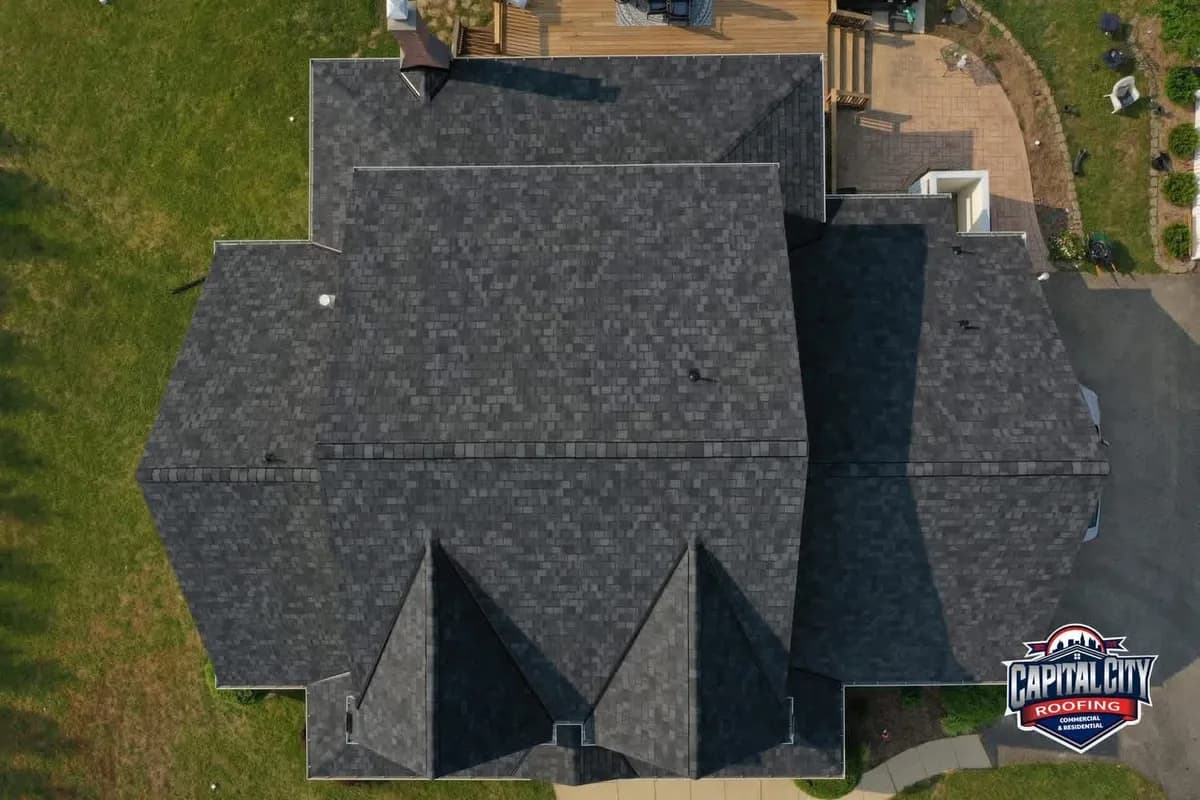
Capital City Roofing's GAF-certified inspectors have processed thousands of hail claims across Georgia, Tennessee, and South Carolina. We use BuilderLync technology to create comprehensive reports with photos, measurements, and impact counts that insurance companies accept without question. Our free inspections include drone photography, detailed damage mapping, and Xactimate estimates. For more information, explore our hail damage roofing repair services, storm damage services in Alpharetta, or our insurance claims guide. We serve homeowners in Suwanee, Duluth, Milton, and across four states.
How Hail Size Translates to Roof Damage in Practice
Not all hail causes the same type of damage, and understanding the relationship between stone diameter and roofing impact helps you evaluate your situation accurately. Hail under three-quarters of an inch generally causes cosmetic granule loss on asphalt shingles without compromising the mat or fiberglass reinforcement beneath. At one inch, the impacts begin to fracture the mat, creating soft spots that allow moisture penetration over time. At one-and-a-quarter inches and above, the damage is typically functional: cracked mats, displaced granules exposing bare substrate, and dented or punctured metal components like vents, valleys, and pipe boot collars.
The hail size reported by the National Weather Service is the largest confirmed stone, but a storm cell typically produces a range of sizes. A report of 1.5-inch hail in your area means some stones were smaller and some may have been larger, so the damage pattern across your roof will vary by slope, exposure angle, and the age of your existing materials.
Why Older Roofs Sustain More Damage From the Same Storm
Age changes how shingles respond to impact. A five-year-old architectural shingle with intact granules and flexible asphalt binder can absorb moderate hail impacts without functional damage. The same shingle at fifteen years has lost granule density, the binder has oxidized and become brittle, and the sealant strips that hold tabs down have weakened. A hail event that causes cosmetic marks on the newer roof may cause functional failures on the older one.
This distinction matters for insurance claims because adjusters evaluate whether damage is functional or cosmetic when determining coverage. Capital City Roofing's BuilderLync documentation captures the condition of both the impacted areas and the surrounding undamaged shingles to establish context. A free 27-point inspection includes this assessment at no cost, and our credentials on the certifications page confirm the evaluation meets manufacturer standards.
Brad Strawbridge
Founder & CEO · Forbes Business Council Member • RT3 & NRAP Board of Directors • GAF Master Elite® • CertainTeed ShingleMaster™ • NRCA Residential & Workforce Development Committees
Brad Strawbridge is the Founder and CEO of Capital City Roofing, bringing over a decade of hands-on expertise to the industry. He is an official member of the Forbes Business Council, the invitation-only community for vetted senior-level business leaders, and serves on the Boards of Directors of the Roofing Technology Think Tank (RT3) and the National Roofing Apprenticeship Program (NRAP). A member of the National Roofing Contractors Association (NRCA), Brad has been appointed to the NRCA Residential Roofing Committee and the NRCA Workforce Development Committee, helping set national standards for installation quality and the future of the roofing labor force. Under his leadership, Capital City Roofing has earned GAF Master Elite and CertainTeed ShingleMaster Premier, the top contractor credential from each manufacturer.