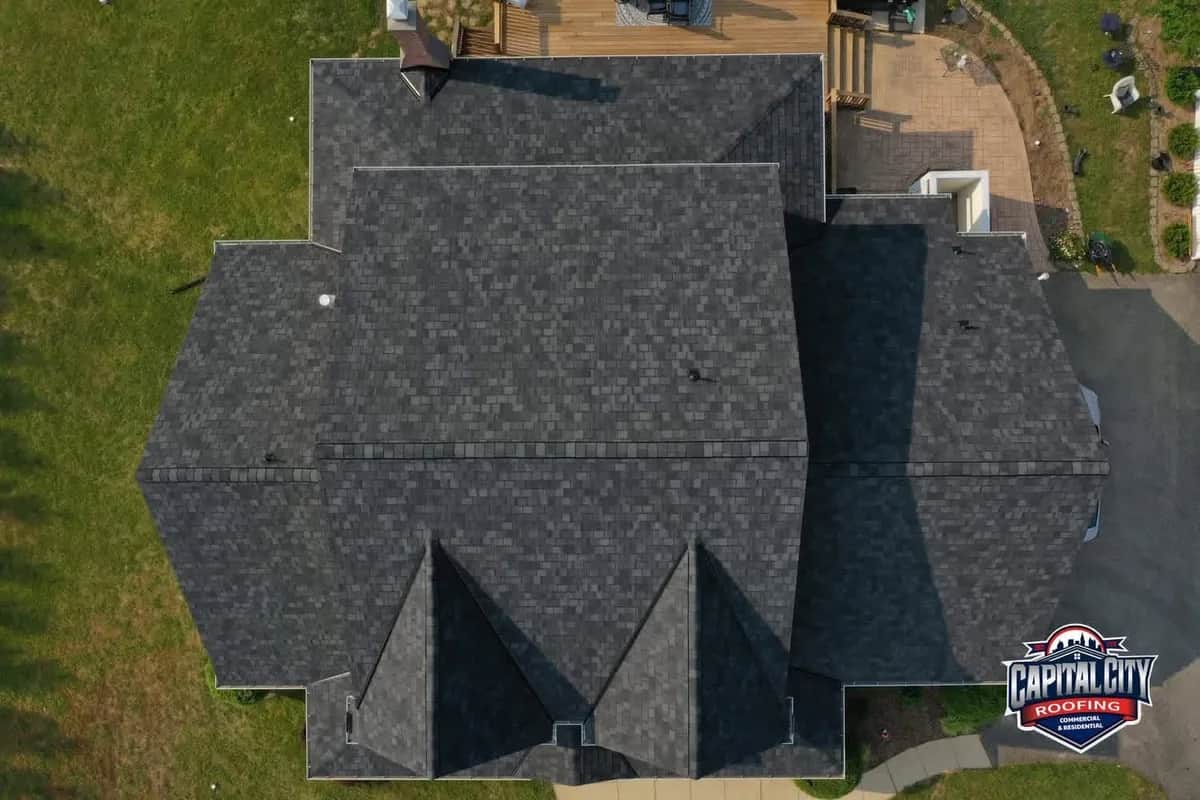
Hurricane Season Roof Checklist for Georgia Homeowners
Complete hurricane preparation checklist for Georgia homeowners to protect roofs and minimize storm damage.
Georgia's coastal and southern regions face hurricane threats from June through November. Homeowners in Charleston and along the South Carolina coast face the highest risk, while inland communities like Alpharetta and Roswell can still experience remnant winds and heavy rainfall.
Pre-Hurricane Roof Inspection
Schedule professional inspection in early May before hurricane season begins. Identify and repair loose or damaged shingles, check flashing around chimneys and vents, ensure proper attic ventilation, and verify gutters are securely attached. Capital City Roofing offers free pre-season inspections throughout Georgia.
Emergency Supplies and Planning
Assemble emergency tarps, roofing nails, and plywood for temporary repairs. Keep important documents including insurance policies and roof warranties in waterproof containers. Have Capital City Roofing's emergency number (470-ROOF-ATL) saved in your phone for 24/7 response.
Post-Hurricane Assessment
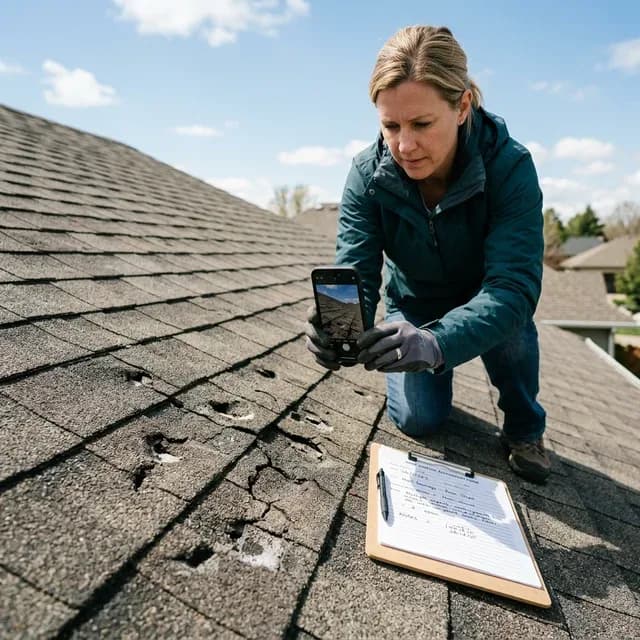
After the storm passes and authorities declare the area safe, inspect for visible damage from the ground. Never walk on a potentially damaged roof. Document all damage with photos and videos. Contact your insurance company and schedule professional inspection immediately.
Insurance Coordination
Hurricane damage is covered under most Georgia homeowners policies. Capital City Roofing coordinates with adjusters, ensuring complete damage documentation through BuilderLync technology. We handle emergency tarping, temporary repairs, and complete restoration across Georgia, Nashville, and Greenville. Learn more at our hurricane preparation page.
Building Your Pre-Season Document File
A hurricane checklist is only half the job; the other half is paperwork you assemble while skies are clear. Before June, gather your declarations page, note your wind or named-storm deductible, and confirm whether your policy settles on a replacement cost or actual cash value basis. These details quietly determine what a future payout looks like, and they are far easier to read calmly in May than in the rush after a storm.
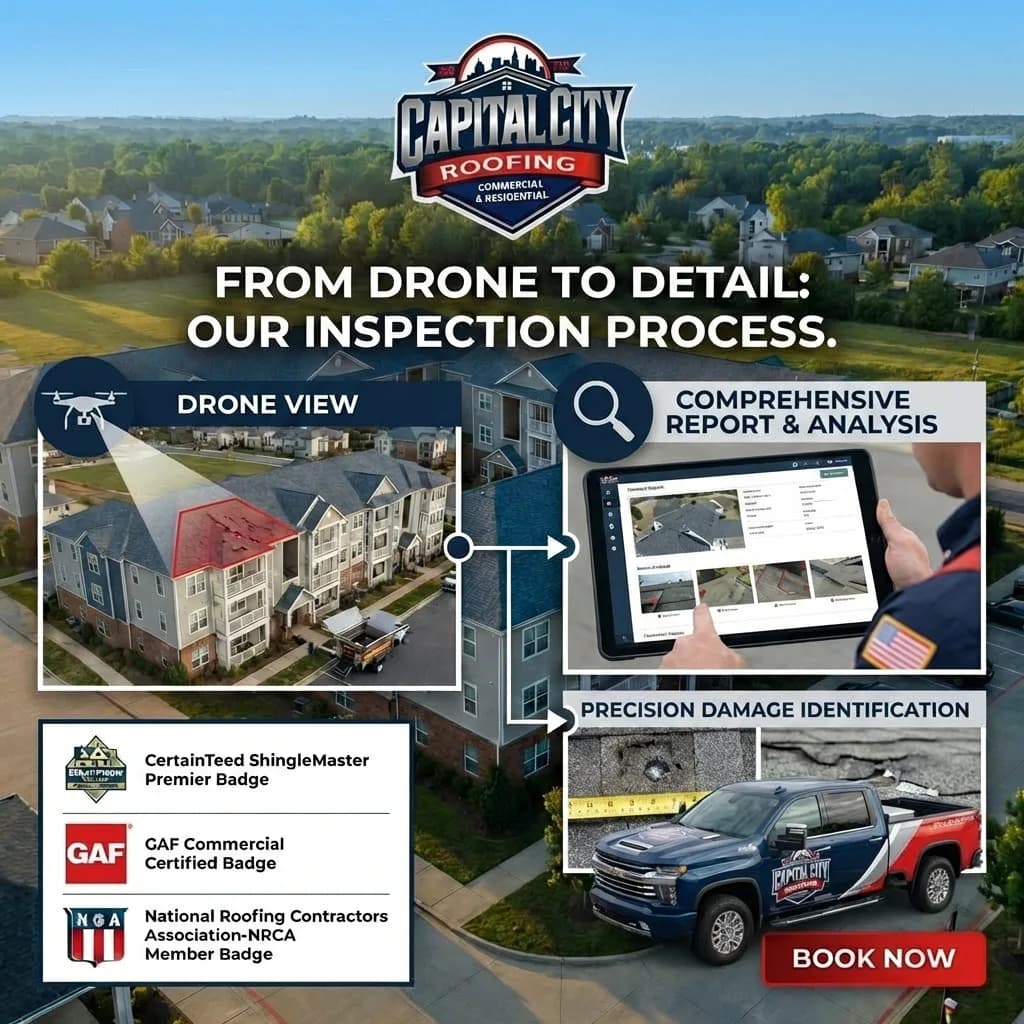
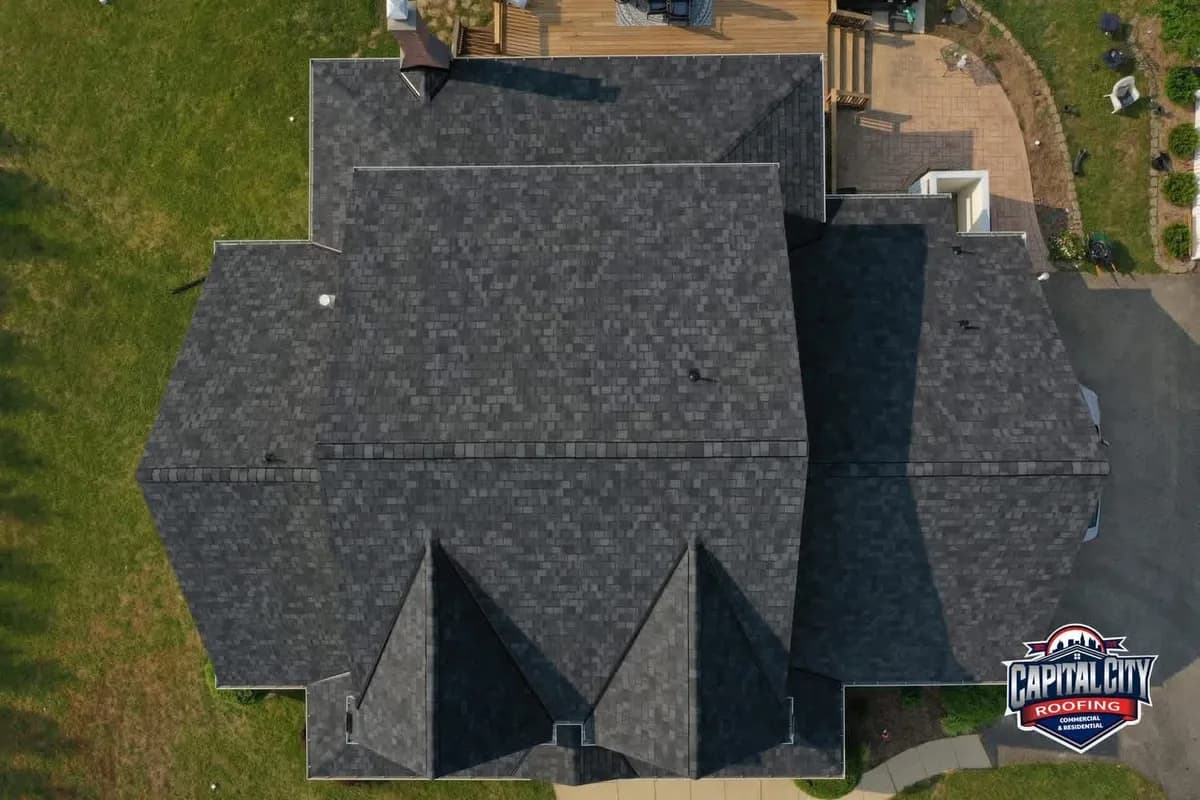
Pair that file with a current, dated picture of the roof itself. Our drone-flown, photo-documented free 27-Point Inspection gives you exactly that: a comprehensive visual record of shingle condition, flashing, and gutter attachment that serves as a clean before snapshot. Georgia carriers increasingly want proof that damage came from the named event rather than pre-existing wear, and a dated baseline is one of the most useful pieces of evidence a homeowner can hold.
Smart Temporary Measures and When to Stop
Keeping tarps, boards, and fasteners on hand is sound advice, but temporary protection has limits. The goal of an emergency tarp is to slow water intrusion until a professional can safely evaluate the structure, not to walk a wet, wind-stressed roof yourself. If conditions are unsafe, stay off and document from below.
Plan your post-storm sequence in advance so you are not improvising. Notify your carrier promptly, keep receipts for any reasonable mitigation expenses, and schedule a credentialed inspection quickly so damage is tied clearly to the storm. Keep in mind that your deductible applies and depreciation may be withheld until work is finished; we document conditions thoroughly but never promise a particular claim result.
For property owners across metro Atlanta and into Johns Creek and Duluth who want a pre-season walkthrough or a fast post-storm assessment, get in touch with our team. As a dual-certified GAF Master Elite and CertainTeed ShingleMaster Premier contractor, we bring the same rigor to your prep checklist that we bring to the repair itself.
Brad Strawbridge
Founder & CEO · Forbes Business Council Member • RT3 & NRAP Board of Directors • GAF Master Elite® • CertainTeed ShingleMaster™ • NRCA Residential & Workforce Development Committees
Brad Strawbridge is the Founder and CEO of Capital City Roofing, bringing over a decade of hands-on expertise to the industry. He is an official member of the Forbes Business Council, the invitation-only community for vetted senior-level business leaders, and serves on the Boards of Directors of the Roofing Technology Think Tank (RT3) and the National Roofing Apprenticeship Program (NRAP). A member of the National Roofing Contractors Association (NRCA), Brad has been appointed to the NRCA Residential Roofing Committee and the NRCA Workforce Development Committee, helping set national standards for installation quality and the future of the roofing labor force. Under his leadership, Capital City Roofing has earned GAF Master Elite and CertainTeed ShingleMaster Premier, the top contractor credential from each manufacturer.