Commercial Roofing for Aviation Hubs: Managing Large-Scale Low-Slope Projects in Raleigh-Durham
Aviation infrastructure demands zero operational downtime and maximum structural integrity. A deep dive into low-slope roofing systems for major transportation hubs in North Carolina.
Airport terminals, hangars, and logistics hubs are among the most demanding commercial environments in the world. High wind speeds, jet exhaust, seismic vibrations, and constant foot traffic mean that standard roofing solutions are insufficient.
For major transit zones like the Raleigh-Durham International Airport (RDU) and transportation hubs across North Carolina, executing a roofing replacement requires meticulous planning and expert engineering.
Engineering Challenges in Aviation Roofing
Roofing systems near runways must be engineered to withstand forces that typical commercial buildings never encounter:
1. Wind Uplift and Jet Blast
Airports are wide open environments with high wind exposure. Jet engines create immense localized wind shear. Roofing systems must be fastened or adhered using strict wind uplift ratings (such as FM Global standards).
2. Chemical Exposure and Jet Fuel Residue
Jet fuel and exhaust leave a chemical residue on nearby structures. To prevent premature wear, PVC or specialized TPO membranes with chemical resistant top coats are specified.
3. Noise Mitigation
Transit hubs require sound dampening insulation. Installing multiple layers of polyisocyanurate (polyiso) board with acoustic cover boards helps keep terminal interiors quiet.
Meticulous Project Logistics
Aviation roofing requires strict operational control. At Capital City Roofing, we manage these complex logistics through BuilderLync, our advanced project management system:
- FAA and TSA Compliance: Work must coordinate with airport security and air traffic control to prevent crane operations from obstructing flight paths.
- Zero Downtime Execution: Work must be scheduled during off peak hours, with temporary weather seals applied daily to prevent water damage to critical airport radar or ticketing systems.
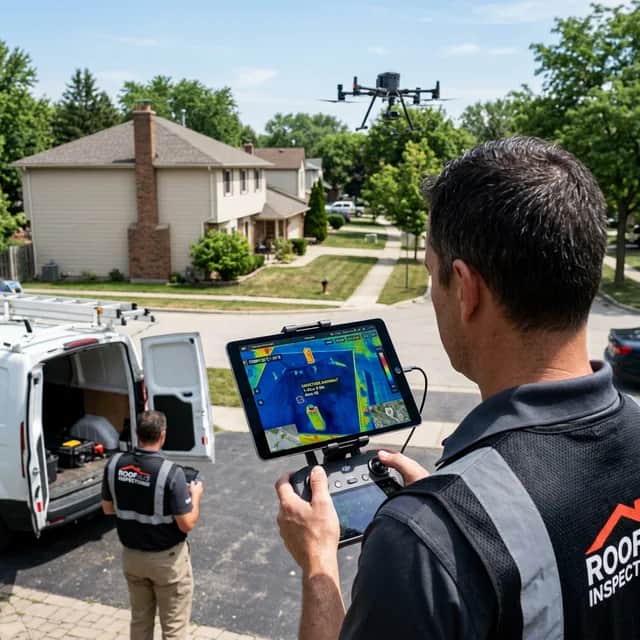
- Certified Inspection Protocols: Using thermal imaging and drone scanning, we verify the integrity of the substrate before a single roll of membrane is laid down.
Servicing North Carolina's Commercial Gateway
Whether managing corporate hangars in Raleigh, cargo terminals in Charlotte, or regional support facilities in Durham, Capital City Roofing provides the expertise needed for high stakes aviation projects. Contact us today to discuss your next commercial low slope roofing project.
Operational Constraints That Shape Aviation Facility Roofing Projects
Roofing work at or near aviation facilities carries constraints that commercial roofing in other sectors does not face. Debris management is the primary concern: loose materials, fasteners, and tear-off debris near active taxiways or aprons create a Foreign Object Debris risk that can damage aircraft engines and tires. Contractors must maintain strict containment zones, use weighted material staging, and conduct continuous policing of the work perimeter.
Height restrictions near airports also affect equipment selection. Cranes and boom lifts may require FAA notification or temporary NOTAMs depending on proximity to runways and the height of the structure being serviced. Scheduling often aligns with reduced flight operations windows, meaning night work or weekend shifts become part of the project plan rather than an exception.
Membrane Selection for Large Low-Slope Aviation Facilities
The Raleigh-Durham corridor's climate, with its hot summers, freeze-thaw winters, and occasional hurricane remnants, demands membrane systems that balance reflectivity, puncture resistance, and long-term weatherability. TPO (Thermoplastic Polyolefin) is the most common choice for new construction in this market because it offers strong reflectivity, heat-welded seams, and competitive installed cost. PVC (Polyvinyl Chloride) provides superior chemical resistance for facilities where jet fuel, hydraulic fluid, or de-icing chemicals may contact the roof surface. EPDM (Ethylene Propylene Diene Monomer) remains a viable option for reroofing projects where the existing insulation and deck are sound.
Capital City Roofing holds GAF Commercial Certified and GenFlex Commercial Certified credentials, detailed on the certifications page, and has managed large-format low-slope projects across the Southeast. For a condition assessment on your commercial facility, request a free inspection or reach out through the contact page.
Brad Strawbridge
Founder & CEO · Forbes Business Council Member • RT3 & NRAP Board of Directors • GAF Master Elite® • CertainTeed ShingleMaster™ • NRCA Residential & Workforce Development Committees
Brad Strawbridge is the Founder and CEO of Capital City Roofing, bringing over a decade of hands-on expertise to the industry. He is an official member of the Forbes Business Council, the invitation-only community for vetted senior-level business leaders, and serves on the Boards of Directors of the Roofing Technology Think Tank (RT3) and the National Roofing Apprenticeship Program (NRAP). A member of the National Roofing Contractors Association (NRCA), Brad has been appointed to the NRCA Residential Roofing Committee and the NRCA Workforce Development Committee, helping set national standards for installation quality and the future of the roofing labor force. Under his leadership, Capital City Roofing has earned GAF Master Elite and CertainTeed ShingleMaster Premier, the top contractor credential from each manufacturer.