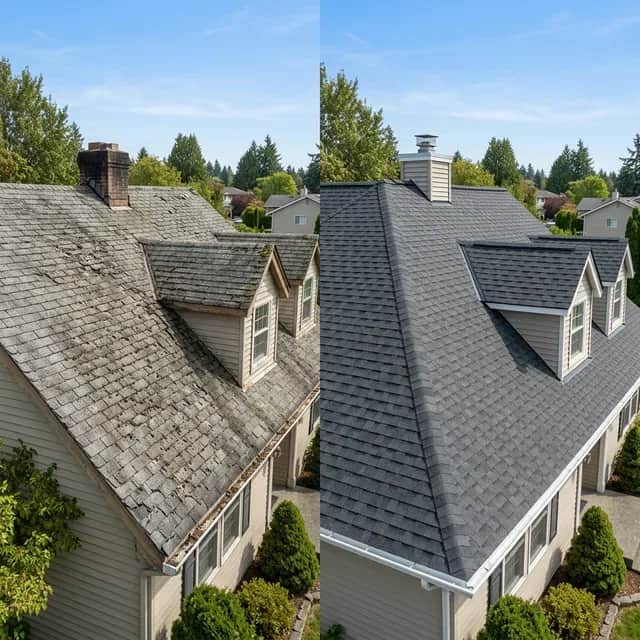
Depreciation in Roof Insurance Claims Explained
How depreciation affects roof insurance claims and strategies for maximizing recoverable depreciation.
Depreciation significantly impacts insurance settlements, but understanding the process helps maximize recovery.
How Depreciation Works
Insurance companies depreciate roofs based on age and expected lifespan. Asphalt shingles typically depreciate over 20-25 years on a straight-line basis. A 10-year-old roof is considered 40-50% depreciated. This depreciation is withheld from initial claim payments.
Recoverable vs Non-Recoverable
With Replacement Cost Value (RCV) policies, depreciation is recoverable-you receive it after completing repairs. With Actual Cash Value (ACV) policies, depreciation is non-recoverable-you never receive it. Most Georgia homeowners have RCV policies, making depreciation recovery essential.
The Recovery Process
After claim approval, you receive an initial payment equal to replacement cost minus depreciation and deductible. Once repairs are completed, you submit final invoices to recover the depreciation holdback. Capital City Roofing handles all depreciation recovery paperwork, ensuring you receive every dollar.
Maximizing Depreciation Recovery
Complete all approved work to qualify for full recovery. Provide detailed final invoices matching the claim estimate. Submit recovery requests promptly after completion. Our expertise ensures smooth depreciation recovery, typically within 2-3 weeks of project completion.
Policy Verification
Verify whether you have RCV or ACV coverage. If you have ACV, consider upgrading to RCV at renewal for better protection. We help homeowners across Alpharetta, Dunwoody, Suwanee, and metro Atlanta understand their policies and maximize benefits. Read about recovering depreciation roof claims or check our insurance claims overview.
How Depreciation Is Calculated on a Roof Claim
Insurance carriers depreciate roofing materials based on age, expected useful life, and condition at the time of loss. A typical asphalt shingle roof in Georgia with a thirty-year rated life that is twelve years old at the time of a hail event will be depreciated by roughly forty percent under most ACV (Actual Cash Value) formulas. The carrier calculates full replacement cost, then withholds the depreciated amount until the work is completed. On an RCV (Replacement Cost Value) policy, the withheld depreciation is released after you submit proof of completed repairs using the approved materials and scope.
The confusion most homeowners face is that depreciation is not a penalty. It is a timing mechanism. On an RCV policy, you receive the full replacement value, just in two installments: the ACV payment upfront and the recoverable depreciation after completion. On an ACV-only policy, the depreciation is permanent and you receive only the aged value. Knowing which type of policy you carry before a storm event determines your out-of-pocket exposure.
Where Homeowners Lose Money on Depreciation
The most common loss happens when homeowners accept the initial ACV check and never file for the recoverable depreciation. Carriers are not required to remind you, and the deadline to recover the withheld amount varies by policy. In Georgia, most policies give between 180 days and one year from the loss date to complete repairs and submit for recovery. Missing that window means leaving thousands of dollars on the table.
Capital City Roofing tracks depreciation recovery timelines as part of every claim we coordinate, ensuring the supplemental payment is filed before the policy deadline. The BuilderLync platform documents completed work with the detail carriers require to release the holdback. Start with a free 27-point inspection to establish the damage scope, and visit the certifications page to see the credentials behind every assessment.
Brad Strawbridge
Founder & CEO · Forbes Business Council Member • RT3 & NRAP Board of Directors • GAF Master Elite® • CertainTeed ShingleMaster™ • NRCA Residential & Workforce Development Committees
Brad Strawbridge is the Founder and CEO of Capital City Roofing, bringing over a decade of hands-on expertise to the industry. He is an official member of the Forbes Business Council, the invitation-only community for vetted senior-level business leaders, and serves on the Boards of Directors of the Roofing Technology Think Tank (RT3) and the National Roofing Apprenticeship Program (NRAP). A member of the National Roofing Contractors Association (NRCA), Brad has been appointed to the NRCA Residential Roofing Committee and the NRCA Workforce Development Committee, helping set national standards for installation quality and the future of the roofing labor force. Under his leadership, Capital City Roofing has earned GAF Master Elite and CertainTeed ShingleMaster Premier, the top contractor credential from each manufacturer.