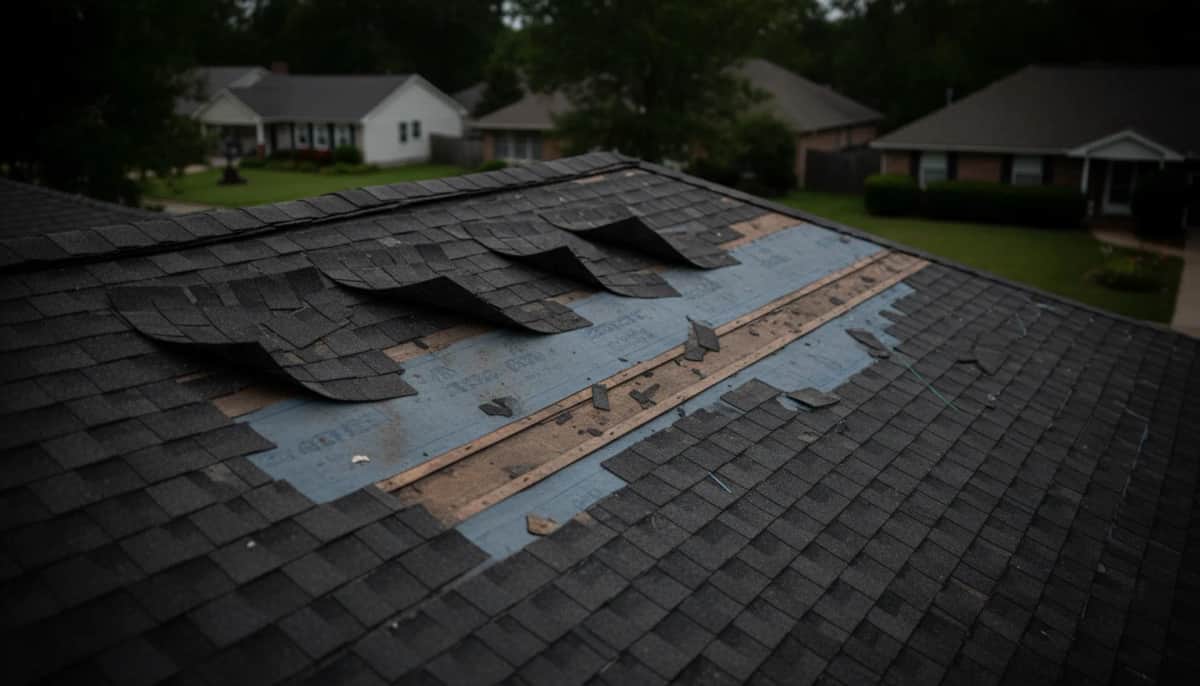
Understanding Replacement Cost vs Actual Cash Value
Detailed explanation of RCV vs ACV insurance policies and how they affect your roof claim settlement.
Understanding your policy type is essential for knowing what to expect from insurance claims.
Replacement Cost Value (RCV) Policies
RCV policies pay the full cost to replace your roof with materials of like kind and quality, minus your deductible. This is the most common and beneficial policy type for Georgia homeowners. When your claim is approved, you receive an initial payment (actual cash value) and a second payment (recoverable depreciation) after repairs are completed.
Actual Cash Value (ACV) Policies
ACV policies pay replacement cost minus depreciation for age and wear. A 15-year-old roof might receive only 50-60% of replacement cost. While ACV policies have lower premiums, they provide significantly less protection. Most Georgia homeowners have RCV policies, but it's essential to verify your coverage.
How Depreciation Works
Insurance companies calculate depreciation based on roof age and expected lifespan. Asphalt shingles typically depreciate over 20-25 years. A 10-year-old roof might be depreciated 40-50%. With RCV policies, you recover this depreciation after completing repairs. With ACV policies, you never recover it.
Maximizing Your Benefits
Capital City Roofing helps homeowners understand their policy type and maximize benefits. We coordinate with insurance companies to ensure proper valuation and complete depreciation recovery. Our expertise ensures you receive every dollar you're entitled to under your policy. We serve homeowners in Alpharetta, Roswell, Johns Creek, and across the metro. Learn more at our insurance claims page or how roof insurance claims work.
How the Two Policy Types Play Out on a Real Claim
The difference between Replacement Cost Value and Actual Cash Value is straightforward in concept but confusing in practice. Consider a fifteen-year-old roof that costs twenty-two thousand dollars to replace with equivalent materials at today's prices. Under an RCV policy, the carrier covers the full twenty-two thousand minus your deductible, though they release it in two payments: the depreciated value upfront and the remainder after repairs are complete. Under an ACV policy, the carrier deducts depreciation permanently, so you might receive only twelve to fourteen thousand dollars depending on the depreciation schedule, leaving you responsible for the gap.
The practical consequence is that ACV policyholders often face a significant out-of-pocket cost that they did not anticipate when they purchased the policy. The lower premium that made the ACV policy attractive at purchase time becomes expensive when a claim occurs. This is especially impactful on roofs over ten years old where depreciation represents a substantial portion of the replacement cost.
What Georgia Homeowners Should Check Before the Next Storm
Pull your declarations page and look for the dwelling coverage section. The language will specify either Replacement Cost or Actual Cash Value for your roof. Some Georgia carriers have introduced hybrid policies that provide RCV coverage for roofs under a certain age, typically ten years, and switch to ACV for older roofs. This age-based threshold means your coverage type can change without any action on your part.
If you carry an RCV policy, understand the recoverable depreciation process and the deadline for filing completion documentation. Capital City Roofing tracks these timelines on every claim we coordinate, ensuring no recoverable depreciation is left uncollected. A free 27-point inspection establishes your roof's current condition and helps you understand your claim position before a storm forces the question. Visit the certifications page to see the credentials behind the assessment.
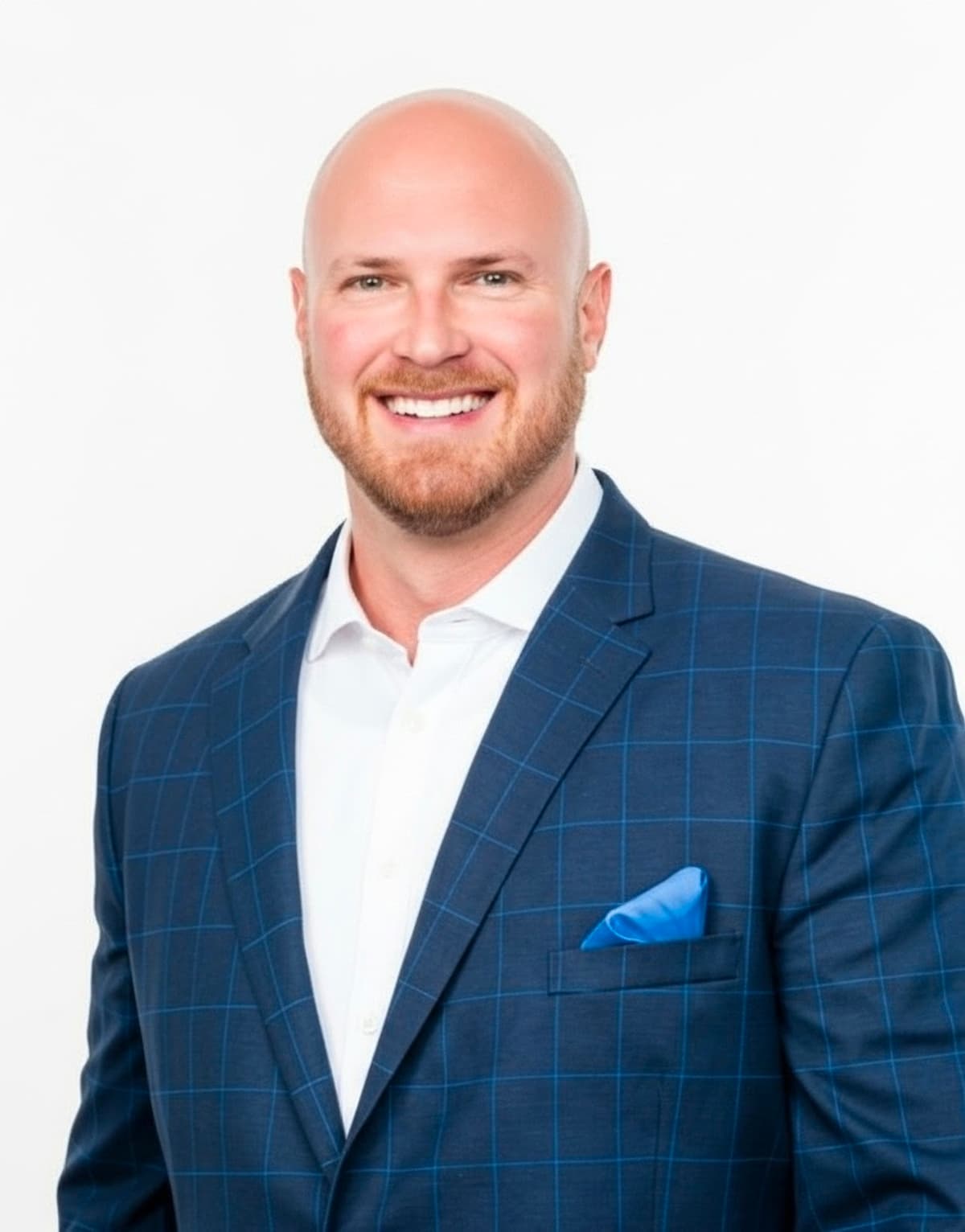
Brad Strawbridge
Founder & CEO · Forbes Business Council Member • RT3 & NRAP Board of Directors • GAF Master Elite® • CertainTeed ShingleMaster™ • NRCA Residential & Workforce Development Committees
Brad Strawbridge is the Founder and CEO of Capital City Roofing, bringing over a decade of hands-on expertise to the industry. He is an official member of the Forbes Business Council, the invitation-only community for vetted senior-level business leaders, and serves on the Boards of Directors of the Roofing Technology Think Tank (RT3) and the National Roofing Apprenticeship Program (NRAP). A member of the National Roofing Contractors Association (NRCA), Brad has been appointed to the NRCA Residential Roofing Committee and the NRCA Workforce Development Committee, helping set national standards for installation quality and the future of the roofing labor force. Under his leadership, Capital City Roofing has earned GAF Master Elite and CertainTeed ShingleMaster Premier, the top contractor credential from each manufacturer.