Does Homeowners Insurance Cover Roof Leaks in Georgia?
Understand when your Georgia homeowners insurance will - and won't - cover roof leaks, and how to maximize your claim approval chances.
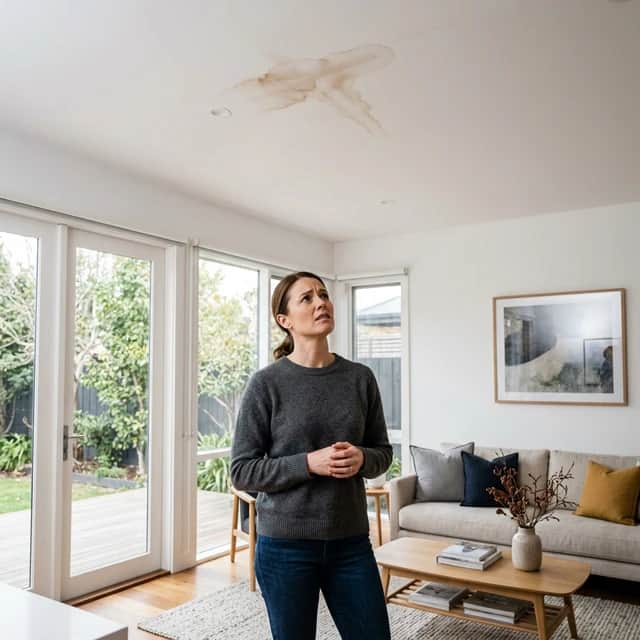
Discovering a roof leak is stressful enough without the added confusion of figuring out whether your insurance will cover the repair. The answer in Georgia is: it depends on what caused the leak. Here's a clear, expert breakdown of what's covered, what's not, and how to navigate the claims process.
When Insurance DOES Cover Roof Leaks
Georgia homeowners insurance policies are designed to cover sudden, accidental damage from covered perils. If your roof leak was caused by any of the following, your claim should be covered:
Storm Damage
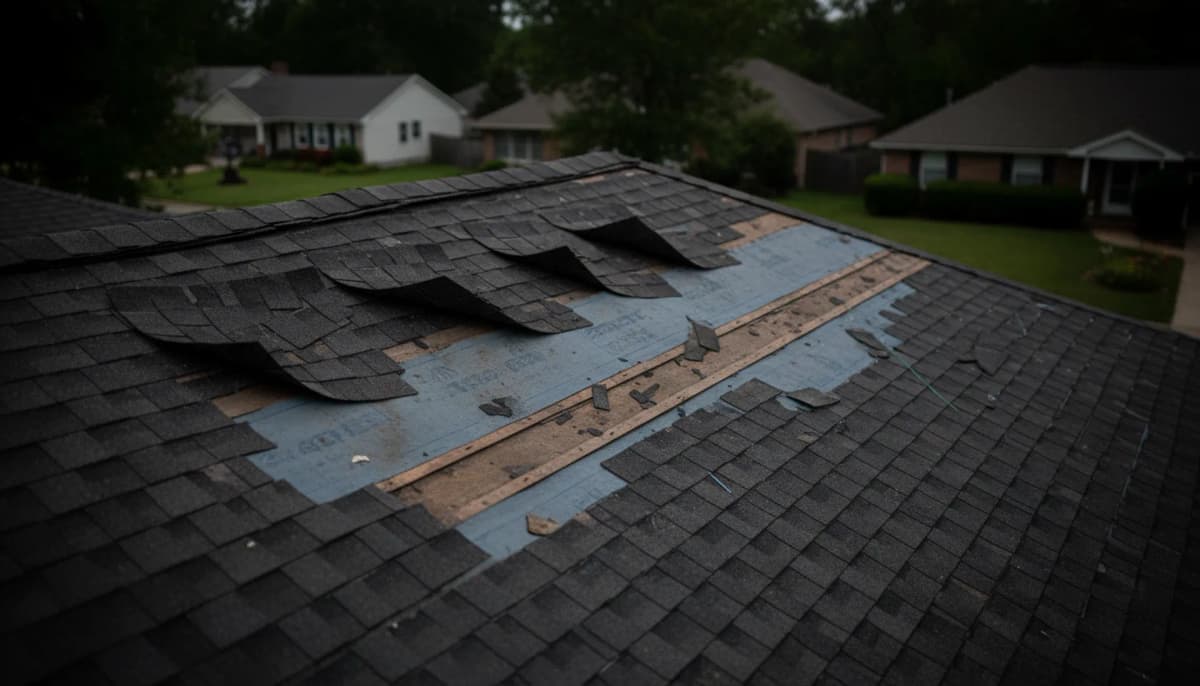
- Wind damage - Missing shingles, lifted flashing, or torn underlayment from high winds
- Hail damage - Granule loss, cracked shingles, or punctured membranes from hail impacts
- Falling objects - Tree limbs or debris that damage your roof during a storm
- Lightning strikes - Direct or indirect damage causing roof failure
Other Covered Perils
- Fire damage - Damage to roofing from fires, even if the fire started elsewhere
- Weight of ice and snow - Though rare in metro Atlanta, ice damage can cause leaks
- Vandalism - Intentional damage to your roof by a third party
What's Typically Covered in the Claim
- Roof repair or replacement costs
- Interior water damage (drywall, insulation, flooring)
- Emergency tarping and temporary repairs
- Personal property damaged by the leak
- Temporary living expenses if the home is uninhabitable
When Insurance Does NOT Cover Roof Leaks
Wear and Tear
The most common denial reason. If your roof is leaking because it's old and worn out - not because of a specific event - insurance won't cover it. This includes:
- Gradual deterioration of shingles over time
- Natural aging of flashing and sealants
- Long-term moisture damage from inadequate ventilation
Maintenance Neglect
If the leak results from failure to maintain your roof, claims will be denied:
- Clogged gutters that caused water backup under shingles
- Moss or debris accumulation that deteriorated roofing materials
- Known issues that were never addressed
Pre-Existing Conditions
Damage that existed before your current policy period isn't covered. This is why documenting your roof's condition regularly is so important.
Cosmetic Damage Only
Some policies (particularly on newer homes) include "cosmetic damage exclusions" that deny coverage for hail damage that doesn't affect the functional performance of the roof. Check your policy carefully for this language.
How to Maximize Your Claim Approval
Step 1: Document Immediately
As soon as you discover a leak or notice storm damage, take photos and videos from every angle. Document exterior roof damage and interior water intrusion. Note the date of the storm event that caused the damage. Save weather reports confirming severe weather in your area.
Step 2: File Promptly
Georgia homeowners have a limited window to file claims - typically 1–2 years from the date of damage, though some policies require shorter notice. Never delay filing. Even if the damage seems minor, file the claim to establish a record.
Step 3: Get a Professional Inspection First
Before the insurance adjuster arrives, have an independent roofing contractor inspect your roof. Capital City Roofing provides free storm damage inspections with detailed BuilderLync reports. Having professional documentation from a GAF Master Elite contractor significantly strengthens your claim.
Step 4: Be Present for the Adjuster's Visit
When the insurance adjuster inspects your roof, be there - and have your contractor there too. Capital City Roofing meets with adjusters on every claim, ensuring all damage is identified and properly documented. We point out damage patterns that untrained eyes miss.
Step 5: Don't Accept the First Offer Without Review
Initial insurance estimates often undervalue damage. Review the scope of work carefully with your contractor. If items are missed, Capital City Roofing files supplemental claims with additional documentation to ensure you receive full coverage.
Understanding Your Georgia Insurance Policy
Replacement Cost Value (RCV)
The better policy type. RCV pays the full cost to replace your roof with materials of like kind and quality, minus your deductible. You receive depreciation holdback after repairs are completed.
Actual Cash Value (ACV)
Pays replacement cost minus depreciation. A 15-year-old roof might receive only 50–60% of replacement cost. ACV policies cost less but provide significantly less protection.
Deductibles
Georgia deductibles are typically either a flat dollar amount ($1,000–$5,000) or a percentage of home value (1–2%). Wind and hail deductibles may be separate and higher than your standard deductible. Know your numbers before filing a claim.
Capital City Roofing's Insurance Claim Expertise
Capital City Roofing has the expertise and technology to ensure your leak is properly documented and covered. We handle:
- Free professional inspections with BuilderLync documentation
- Insurance adjuster coordination and on-site meetings
- Supplement filing for undervalued claims
- Complete repair or replacement with GAF Golden Pledge® warranty coverage
Dealing with a roof leak? Don't guess whether insurance will cover it - schedule your free inspection and let our team assess the damage and guide you through the claims process. We serve homeowners across Alpharetta, Roswell, Johns Creek, Dunwoody, and the entire Atlanta metro. Call 470-ROOF-ATL for immediate assistance.
Brad Strawbridge
Founder & CEO · Forbes Business Council Member • RT3 & NRAP Board of Directors • GAF Master Elite® • CertainTeed ShingleMaster™ • NRCA Residential & Workforce Development Committees
Brad Strawbridge is the Founder and CEO of Capital City Roofing, bringing over a decade of hands-on expertise to the industry. He is an official member of the Forbes Business Council, the invitation-only community for vetted senior-level business leaders, and serves on the Boards of Directors of the Roofing Technology Think Tank (RT3) and the National Roofing Apprenticeship Program (NRAP). A member of the National Roofing Contractors Association (NRCA), Brad has been appointed to the NRCA Residential Roofing Committee and the NRCA Workforce Development Committee, helping set national standards for installation quality and the future of the roofing labor force. Under his leadership, Capital City Roofing has earned GAF Master Elite and CertainTeed ShingleMaster Premier, the top contractor credential from each manufacturer.