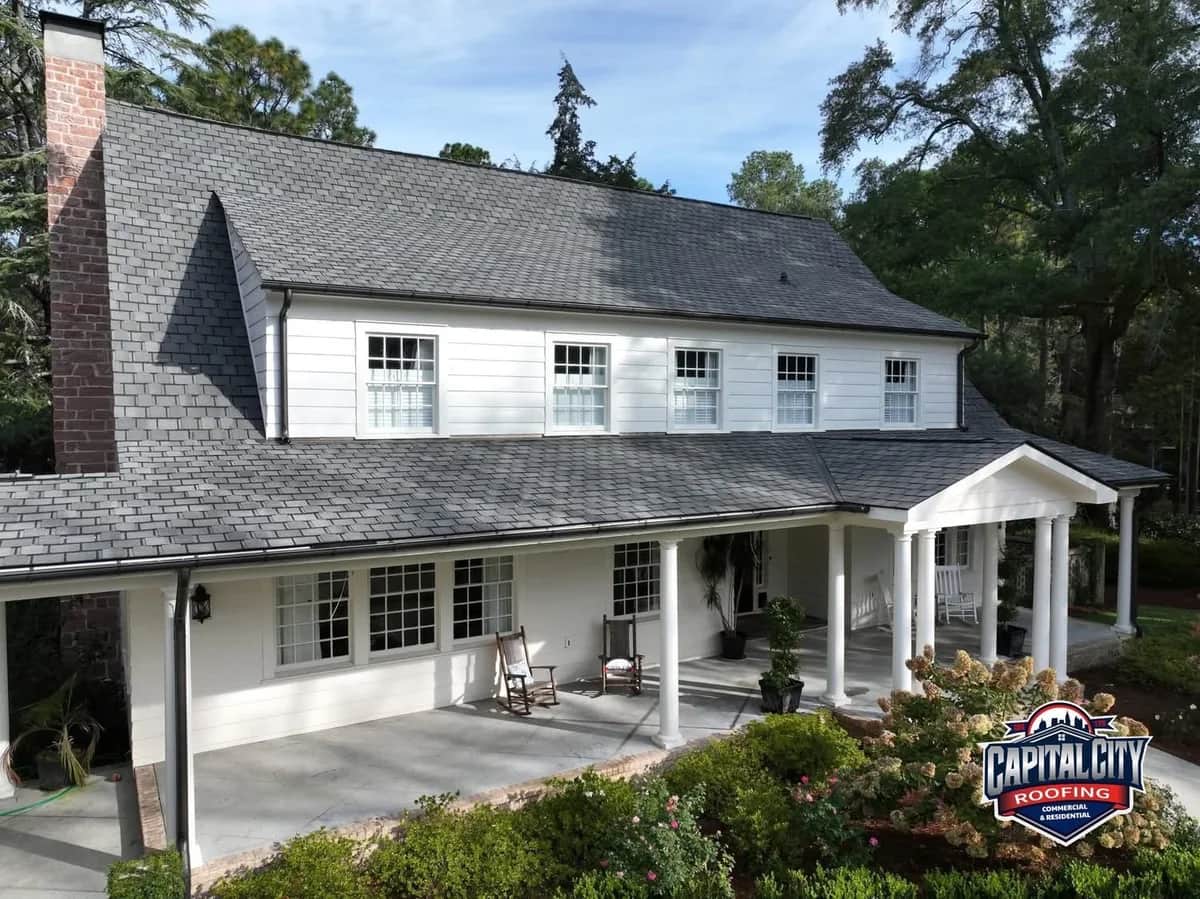
Why Insurance Claims Get Denied (And How to Prevent It)
Common reasons for roof insurance claim denials and expert strategies to prevent rejection.
Understanding common denial reasons helps Georgia homeowners avoid claim rejection and maximize approval chances. From Alpharetta to Dunwoody, we see the same patterns causing denials across the metro.
Pre-Existing Damage or Wear
Insurance covers sudden, accidental damage-not gradual deterioration or maintenance neglect. Claims are denied when adjusters determine damage existed before the reported storm event. Prevention: Schedule annual inspections and document your roof's condition regularly. Capital City Roofing's BuilderLync reports provide timestamped evidence of roof condition.
Insufficient Documentation
Claims fail when homeowners can't prove storm damage occurred. Without clear evidence linking damage to a specific weather event, insurance companies deny coverage. Prevention: Document damage immediately after storms with photos, videos, and weather reports. Professional BuilderLync documentation provides irrefutable evidence adjusters trust.
Maintenance Neglect
Policies exclude damage resulting from lack of maintenance. If your roof failed due to deferred maintenance rather than storm impact, claims are denied. Prevention: Maintain your roof properly with regular inspections and prompt repairs. Keep records of all maintenance performed.
Filing Outside Policy Timeframes
Most Georgia policies require claims within 1-2 years of damage. Late filing results in automatic denial. Prevention: File promptly after discovering damage. Don't wait for the next storm or assume damage is minor.
How We Prevent Denials
The completeness of Capital City Roofing's assisted claims stems from comprehensive BuilderLync documentation, expert damage assessment, proper claim filing procedures, and supplement filing for missed damage. We serve homeowners in Roswell, Johns Creek, Nashville, and across four states. Read our guide on common claim denial reasons or explore our roof repair services.
The Five Most Common Reasons Georgia Roof Claims Get Denied
Understanding why claims fail helps you prevent each failure mode before it reaches the denial stage. The most frequent denial reason in Georgia is "wear and tear," where the carrier attributes damage to aging rather than a covered peril. The second is "maintenance neglect," applied when the adjuster finds evidence that preventable deterioration contributed to the loss. The third is "cosmetic only," where damage exists but the carrier classifies it as non-functional. The fourth is "late filing," where the claim was submitted outside the policy's reporting window. The fifth is "insufficient documentation," where the evidence does not clearly connect the damage to a specific covered event.
Each of these denial reasons has a specific counter-strategy. Wear and tear denials are challenged by showing that the damage pattern is inconsistent with aging, such as concentrated hail impacts on one slope and none on the leeward side. Maintenance denials are countered with dated baseline photos showing the roof was in serviceable condition before the event. Cosmetic denials require demonstrating that the damage is functional through close-up photos showing mat fractures beneath displaced granules.
Building a Denial-Proof Claim File From Day One
The most effective prevention starts before the storm. Annual or semi-annual professional inspections create a dated condition record that proves your roof was maintained and in good condition prior to the loss. Prompt filing after a weather event, within days rather than weeks, eliminates the late-filing risk. And professional damage documentation with BuilderLync captures the technical detail that separates a functional damage finding from a cosmetic one.
Capital City Roofing coordinates the full claim process, from pre-storm baseline through post-storm documentation, adjuster meeting, and supplement negotiation. Schedule a free 27-point inspection to establish your current baseline, and visit the certifications page to understand the manufacturer credentials behind every assessment.
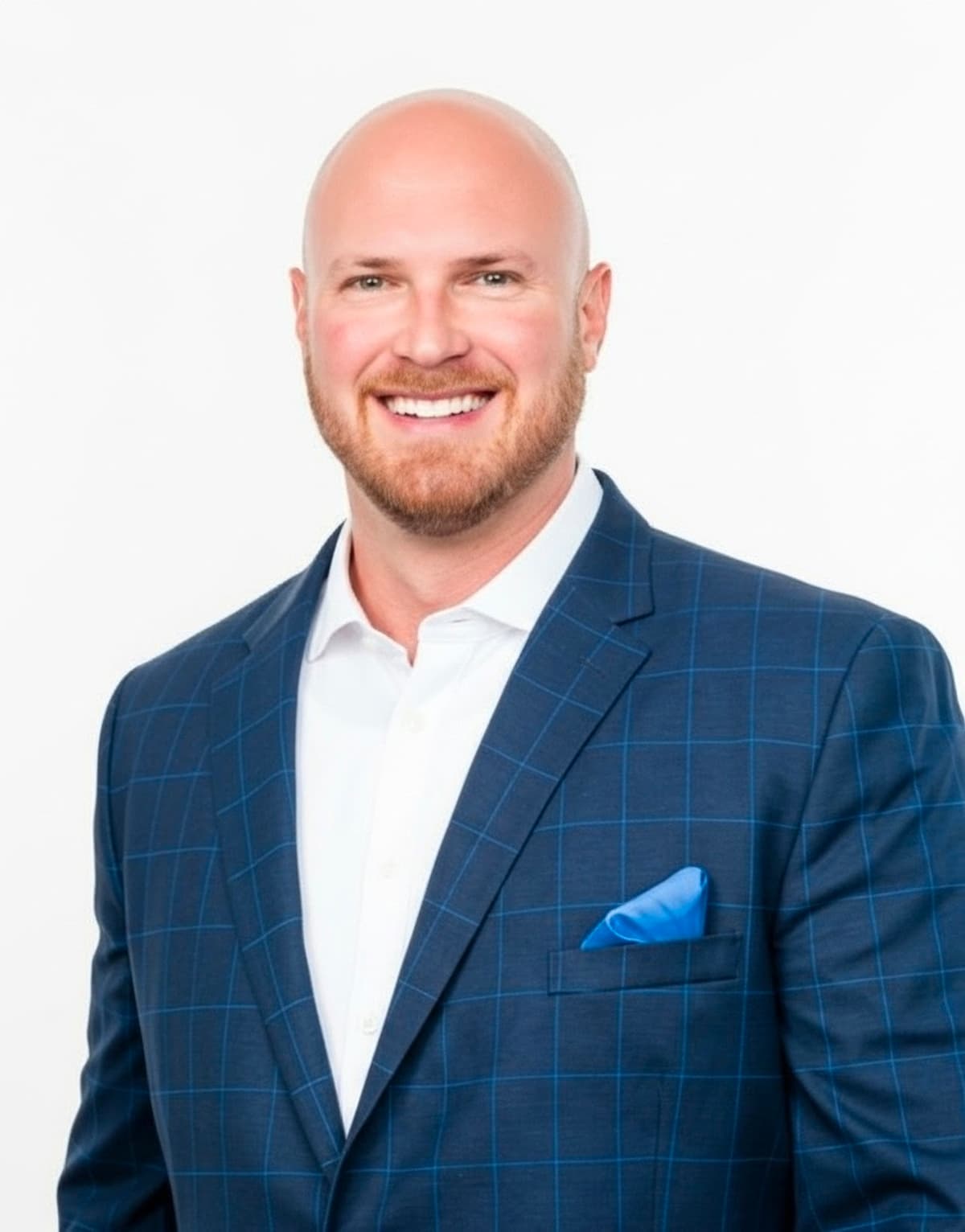
Brad Strawbridge
Founder & CEO · Forbes Business Council Member • RT3 & NRAP Board of Directors • GAF Master Elite® • CertainTeed ShingleMaster™ • NRCA Residential & Workforce Development Committees
Brad Strawbridge is the Founder and CEO of Capital City Roofing, bringing over a decade of hands-on expertise to the industry. He is an official member of the Forbes Business Council, the invitation-only community for vetted senior-level business leaders, and serves on the Boards of Directors of the Roofing Technology Think Tank (RT3) and the National Roofing Apprenticeship Program (NRAP). A member of the National Roofing Contractors Association (NRCA), Brad has been appointed to the NRCA Residential Roofing Committee and the NRCA Workforce Development Committee, helping set national standards for installation quality and the future of the roofing labor force. Under his leadership, Capital City Roofing has earned GAF Master Elite and CertainTeed ShingleMaster Premier, the top contractor credential from each manufacturer.