
Energy-Efficient Roofing: Lower Your Utility Bills
How energy-efficient roofing materials and systems reduce utility costs and improve home comfort.
Energy-efficient roofing reduces cooling costs by 15-30% in Georgia's hot climate while improving comfort. Homeowners across Alpharetta, Johns Creek, and Roswell are increasingly choosing energy-smart roofing options.
Cool Roofing Technology
Cool roofs reflect solar heat rather than absorbing it. Reflective shingles, metal roofing, and cool roof coatings all reduce attic temperatures by 20-30 degrees. This translates to 15-30% cooling cost reduction.
Energy Star Rated Materials
Energy Star rated roofing products meet strict efficiency standards. GAF Timberline HDZ with Advanced Protection shingles and CertainTeed Landmark Solaris are Energy Star rated options. These products qualify for utility rebates and tax credits.
Ventilation and Insulation
Proper ventilation and insulation work with cool roofing to maximize efficiency. Ridge vents, soffit vents, and attic fans remove heat. R-38 insulation (Georgia code minimum) prevents heat transfer.
Return on Investment
Energy-efficient roofing pays for itself through reduced utility bills. Typical payback period is 5-10 years. Increased home value and comfort provide additional benefits.
Best Options for Georgia
Metal roofing offers maximum efficiency through superior reflectivity. Reflective asphalt shingles provide efficiency at lower cost. Cool roof coatings improve existing roof efficiency. Capital City Roofing recommends the best option for your budget and goals. We serve Dunwoody, Nashville, and communities across four states.
How Solar Reflectance Actually Works
The efficiency of a roof comes down to two measurable traits: solar reflectance, or how much sunlight the surface bounces away, and thermal emittance, or how readily it releases absorbed heat. A roof can be light-colored yet still trap heat if it emits poorly, which is why granule technology and coating chemistry matter as much as shade. In Georgia's long cooling season, a surface that both reflects and re-radiates keeps the attic closer to ambient temperature, easing the load on air conditioning during the worst of an Atlanta or Sandy Springs August.
What many homeowners overlook is that the roof surface is only one layer of the system. A radiant barrier in the attic, adequate insulation depth, and unobstructed airflow from soffit to ridge all compound the benefit of a reflective roof. Skip the ventilation piece and even a premium cool-roof product underperforms, because trapped heat re-enters the living space through the ceiling. Treating the roof, attic, and ventilation as one assembly is what turns marginal savings into a noticeable difference on summer utility bills.
Capturing Rebates and Documenting Efficiency
Energy-efficient roofing frequently qualifies for utility incentives or federal tax considerations, but those programs reward documentation. Keep your product data sheets, any ENERGY STAR or Cool Roof Rating Council listings for the exact shingle or membrane installed, and the dated installation invoice in one place. If you ever pursue a rebate or credit, that paper trail is what substantiates the claim, and a tax professional can confirm current eligibility for your situation.
Choosing the right approach depends on your home and goals. Reflective architectural shingles deliver efficiency at an accessible price for most Duluth and Johns Creek homes, metal offers the strongest long-term reflectivity, and coatings can revive an existing low-slope surface without a full tear-off. To weigh those options against your actual roof and attic, book a free inspection so we can measure ventilation and current performance, or contact us to discuss which efficient system fits your budget before you commit.
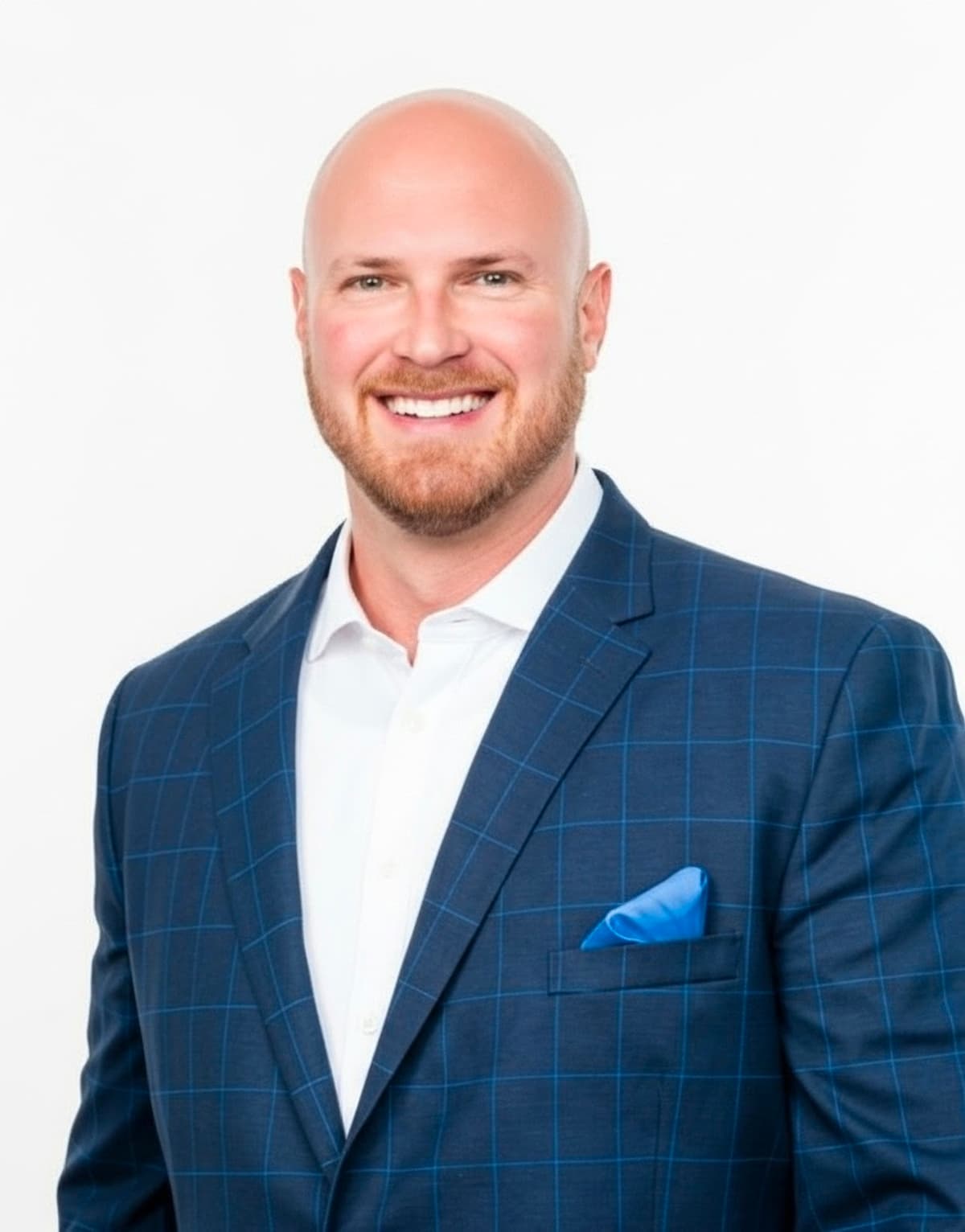
Brad Strawbridge
Founder & CEO · Forbes Business Council Member • RT3 & NRAP Board of Directors • GAF Master Elite® • CertainTeed ShingleMaster™ • NRCA Residential & Workforce Development Committees
Brad Strawbridge is the Founder and CEO of Capital City Roofing, bringing over a decade of hands-on expertise to the industry. He is an official member of the Forbes Business Council, the invitation-only community for vetted senior-level business leaders, and serves on the Boards of Directors of the Roofing Technology Think Tank (RT3) and the National Roofing Apprenticeship Program (NRAP). A member of the National Roofing Contractors Association (NRCA), Brad has been appointed to the NRCA Residential Roofing Committee and the NRCA Workforce Development Committee, helping set national standards for installation quality and the future of the roofing labor force. Under his leadership, Capital City Roofing has earned GAF Master Elite and CertainTeed ShingleMaster Premier, the top contractor credential from each manufacturer.