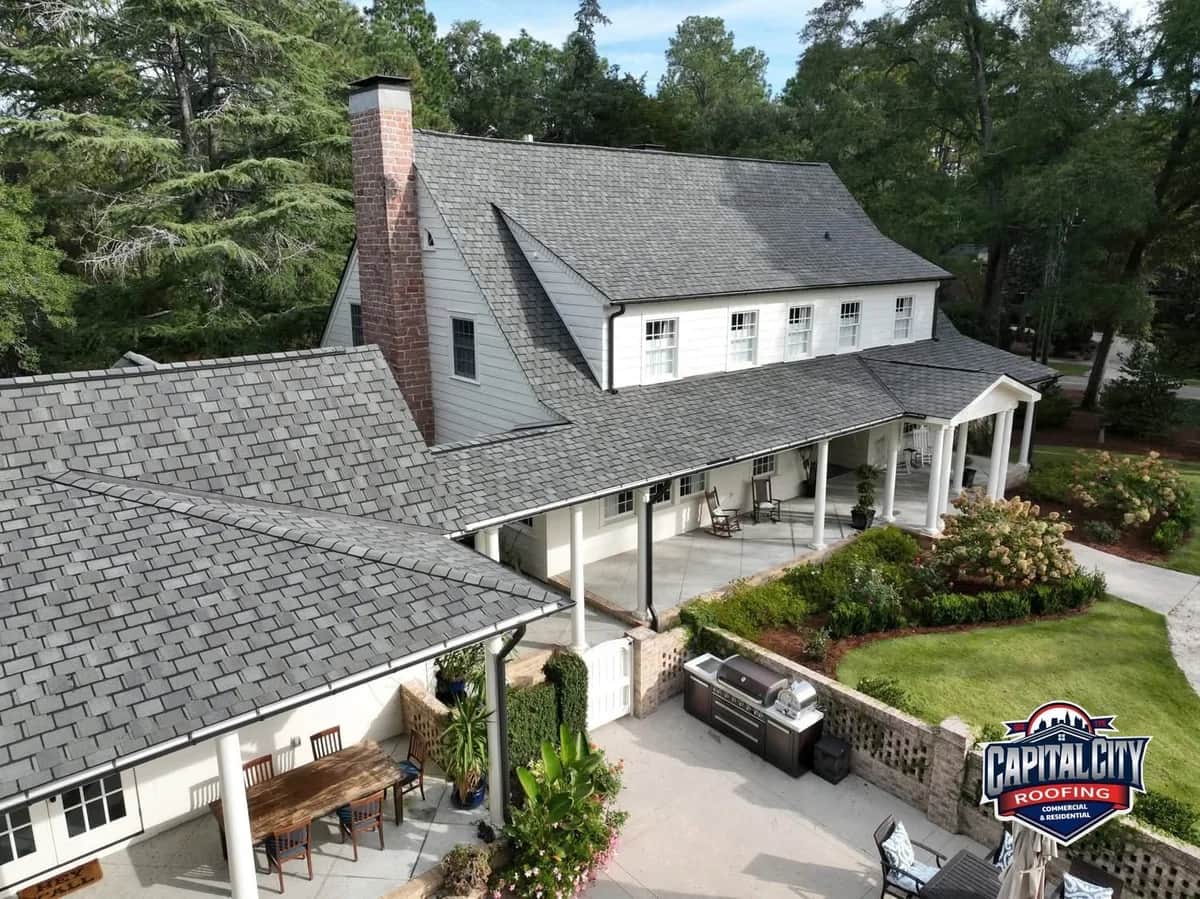
Greenville SC HOA Roofing Requirements: What Homeowners Need to Know

Navigating HOA roofing requirements in Greenville, SC does not have to be stressful. Learn the approval process, common restrictions, and how to work with your HOA for a smooth roof replacement.
Homeowners associations in Greenville, SC and the surrounding Upstate communities play a significant role in shaping roof replacement decisions. From material restrictions to color palettes, HOA covenants add a layer of requirements that every homeowner must navigate before starting a roofing project.
If you live in a planned community in Verdae, along the Pelham Road corridor, in Simpsonville, or in any of the rapidly growing neighborhoods between Greenville and Easley, understanding your HOA's roofing rules upfront will save you time, money, and frustration.
Why HOAs Regulate Roofing
HOAs exist to protect property values within a community. Roofing is one of the most visible elements of a home's exterior, and inconsistent roofing choices can diminish the overall aesthetic of a neighborhood. Most Greenville-area HOAs regulate three aspects of roofing:
- Material type: The specific category of roofing material allowed (architectural shingles, standing seam metal, synthetic slate, etc.)
- Color range: An approved palette of colors, often specified by manufacturer product names or color codes
- Contractor requirements: Minimum insurance, licensing, and warranty standards for contractors performing work in the community
These regulations are typically documented in the community's Declaration of Covenants, Conditions, and Restrictions (CC&Rs), which every homeowner agreed to at closing.
The HOA Approval Process: Step by Step
Step 1: Request the Current Guidelines
Contact your HOA management company or architectural review committee (ARC) to request the current roofing guidelines. These guidelines may have been updated since you purchased your home, so always get the latest version.
Key information to look for:
- Approved material types and brands
- Approved color list (often with specific manufacturer color names)
- Required setbacks or aesthetic requirements (drip edge color, gutter specifications)
- Contractor qualification requirements
- Application forms and fees
Step 2: Select Your Materials
Work with your roofing contractor to select materials that fall within your HOA's approved list. At Capital City Roofing, we carry the full product lines from GAF, CertainTeed, and Owens Corning, covering virtually every HOA-approved option in the Upstate market.
Common HOA-approved options in Greenville communities:
- GAF Timberline HDZ: The most popular architectural shingle in the Southeast. Available in 20+ colors, with most Greenville HOAs approving at least 6-8 from this line.
- CertainTeed Landmark Pro: A premium architectural shingle with a Max Def color technology that provides dimensional depth. Popular in upscale communities along Pelham Road and in Verdae.
- Owens Corning Duration: Known for its SureNail Technology, which provides enhanced wind resistance. A strong choice for storm-prone areas in the Upstate.
Step 3: Color Matching
Color matching is where most HOA disputes arise. Here are strategies to get it right:
- Request physical samples: Never rely on digital color representations. Shingle colors look dramatically different on a computer screen versus on a roof in direct sunlight.
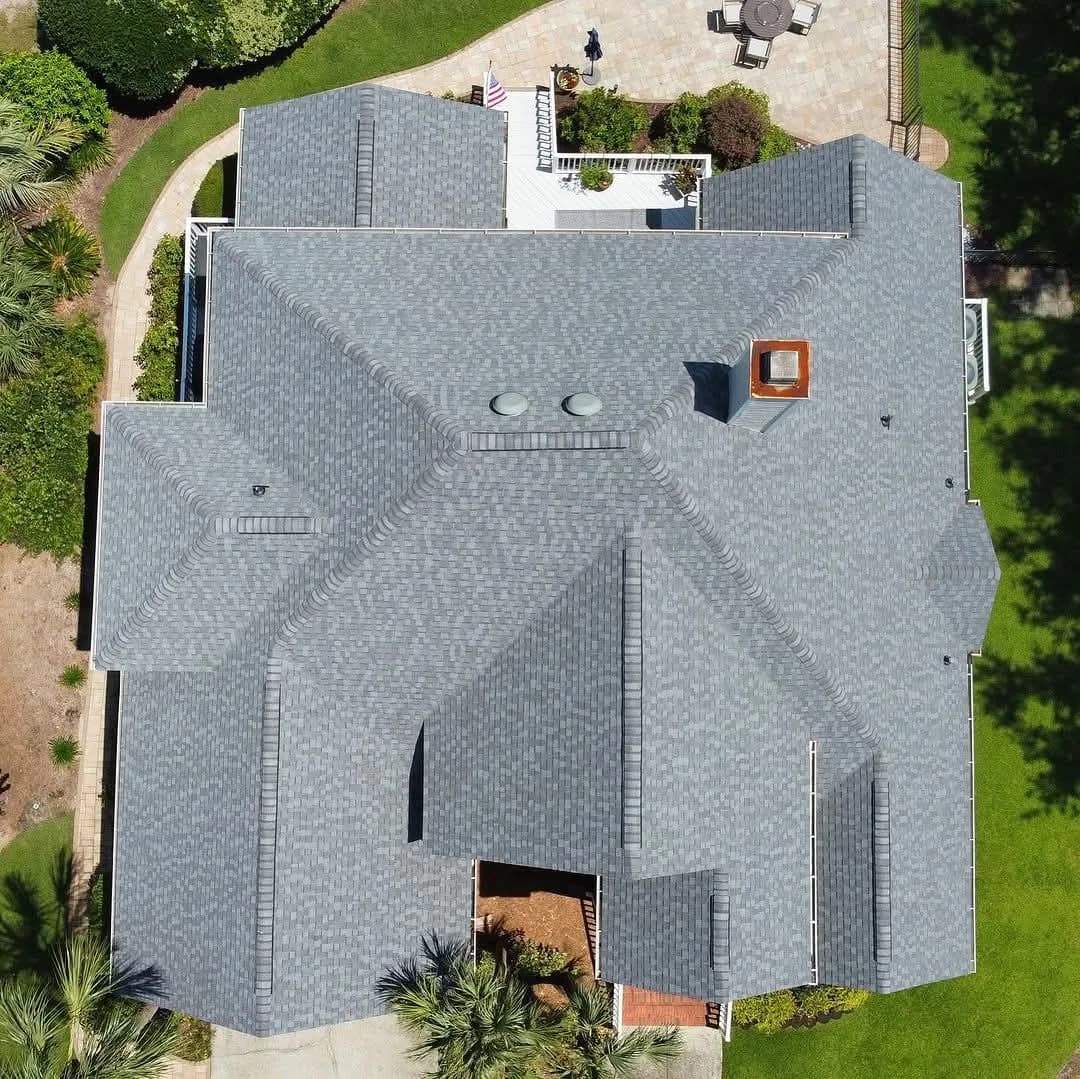
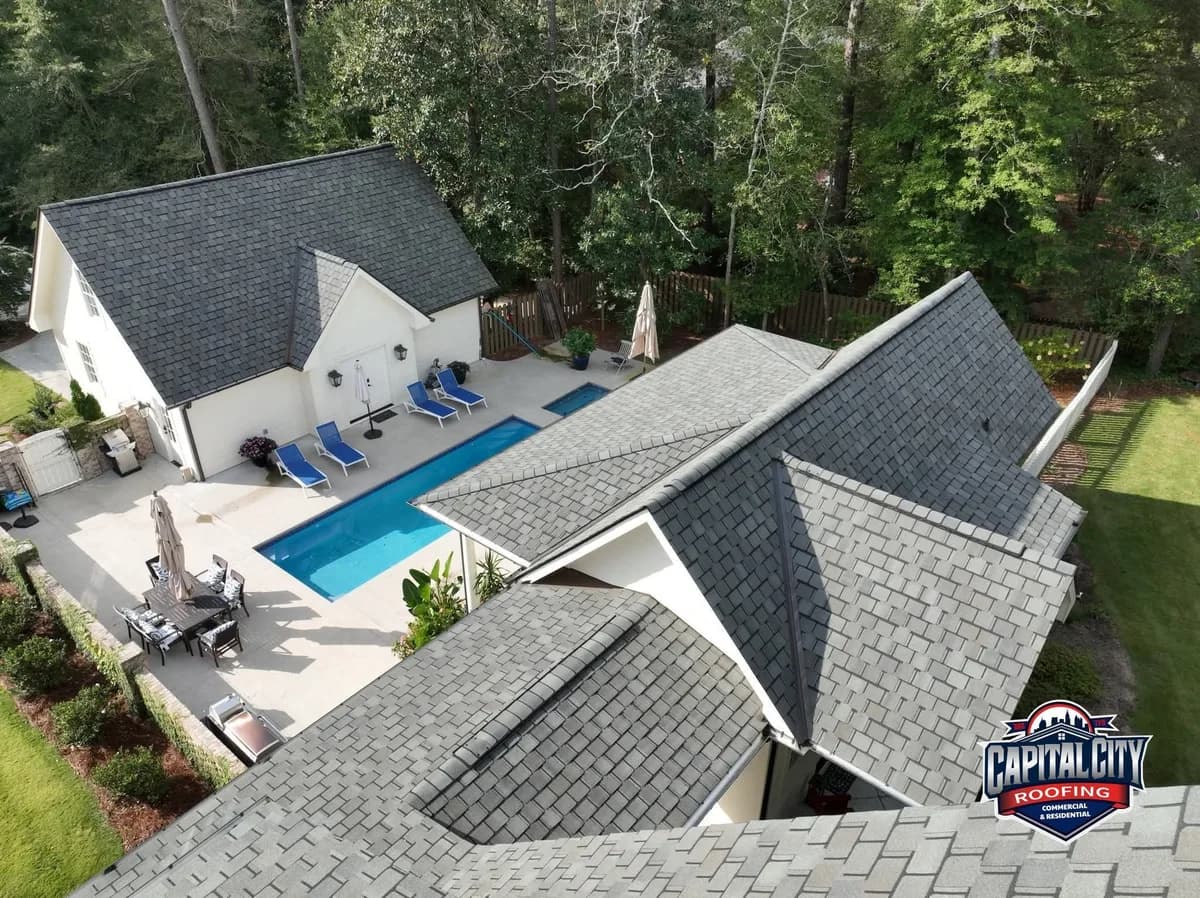
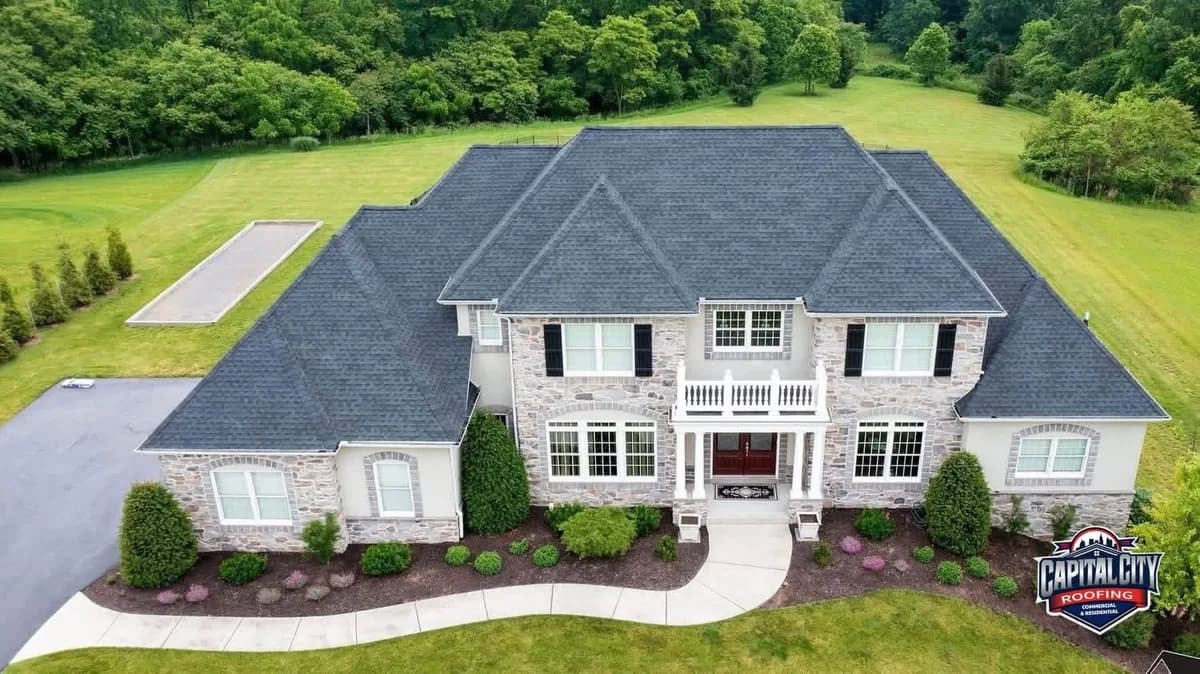
- View installed examples: Ask your contractor if the color you are considering is installed on any nearby homes. Seeing the color on an actual roof is the best way to evaluate it.
- Consider the full exterior: Your HOA may require that your roof color coordinates with your siding, trim, and brick. Bring samples of your exterior materials to the selection process.
- Account for aging: New shingles appear darker than weathered shingles. If your goal is to match neighboring homes, consider that your shingles will lighten slightly over the first 1-2 years.
Step 4: Submit Your Application
Most Greenville-area HOAs require a formal application that includes:
- The completed ARC application form
- Material manufacturer and product name
- Color selection (by manufacturer's color name)
- Contractor name, license number, and insurance certificate
- Proposed timeline for the work
Pro tip: Submit your application at least 30 days before your planned start date. Most ARCs meet monthly, and missing a meeting cycle can delay your project by 4-6 weeks.
Step 5: Receive Approval and Schedule Work
Once your ARC approves the application, keep the approval letter on file. Some HOAs require that work begin within a specific timeframe after approval (often 60-90 days). Coordinate with your contractor to schedule installation within that window.
Common HOA Restrictions in Greenville Communities
Based on our experience working in dozens of Upstate South Carolina HOAs, here are the most common restrictions:
Material restrictions:
- Three-tab shingles are almost universally prohibited in newer communities.
- Standing seam metal is increasingly accepted but often limited to specific profiles and colors.
- Synthetic slate and shake products are gaining approval in luxury communities but require ARC review.
Color restrictions:
- Very dark colors (charcoal, black) may be restricted in some communities due to heat absorption concerns.
- Very light colors (white, light gray) may be restricted because they show dirt and algae staining more quickly.
- Most communities approve a mid-range palette: weathered wood, estate gray, pewter, barkwood, and similar earth tones.
Contractor restrictions:
- Minimum general liability insurance (often $1 million or higher)
- Workers' compensation coverage required
- State contractor licensing verification
- Some communities require manufacturer certification (GAF Master Elite, CertainTeed ShingleMaster)
What Happens If You Skip the HOA Process?
Bypassing your HOA's approval process can result in:
- Stop-work orders: The HOA can require you to halt construction until proper approval is obtained.
- Forced removal: In extreme cases, an HOA can require that non-compliant materials be removed and replaced at the homeowner's expense.
- Fines: Daily fines that accumulate until the violation is resolved.
- Legal action: HOAs have the legal authority to place liens on properties for unresolved covenant violations.
The cost of going through the proper approval process is zero. The cost of skipping it can be thousands of dollars. Always get approval first.
Working with Capital City Roofing in HOA Communities
Capital City Roofing has completed roof replacements in HOA communities throughout the Greenville Upstate region, including Verdae, Five Forks, Simpsonville, Greer, Mauldin, Taylors, Travelers Rest, Spartanburg, and communities along the I-385 and Pelham Road corridors. We understand the ARC process and can help you navigate it efficiently.
Our team provides:
- ARC application assistance: We help prepare your application package with the correct material specifications and documentation.
- Color consultation: We bring physical samples to your home so you can see colors against your actual exterior.
- Insurance and credential documentation: We provide all required insurance certificates and contractor credentials directly to your HOA.
- Manufacturer-certified installation: Our GAF and CertainTeed certifications satisfy the contractor qualification requirements of virtually every Greenville-area HOA.
Learn more about our residential roofing services or explore our coverage across the Greenville, SC service area.
Need a roof replacement in a Greenville-area HOA community? Contact us for a free inspection and ARC application support. We will handle the paperwork so you can focus on choosing the right color.
Brad Strawbridge
Founder & CEO · Forbes Business Council Member • RT3 & NRAP Board of Directors • GAF Master Elite® • CertainTeed ShingleMaster™ • NRCA Residential & Workforce Development Committees
Brad Strawbridge is the Founder and CEO of Capital City Roofing, bringing over a decade of hands-on expertise to the industry. He is an official member of the Forbes Business Council, the invitation-only community for vetted senior-level business leaders, and serves on the Boards of Directors of the Roofing Technology Think Tank (RT3) and the National Roofing Apprenticeship Program (NRAP). A member of the National Roofing Contractors Association (NRCA), Brad has been appointed to the NRCA Residential Roofing Committee and the NRCA Workforce Development Committee, helping set national standards for installation quality and the future of the roofing labor force. Under his leadership, Capital City Roofing has achieved elite certifications held by fewer than 1% of contractors nationwide.