Why the Best Roofing Operators License Their Systems Instead of Becoming Franchises
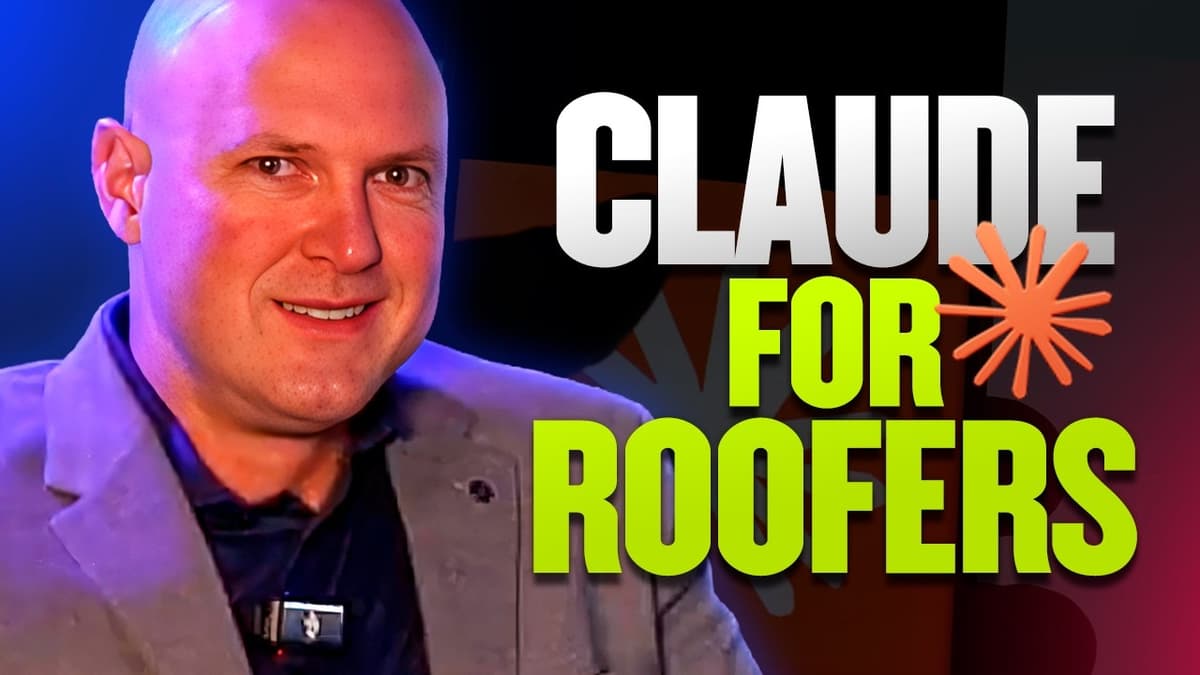
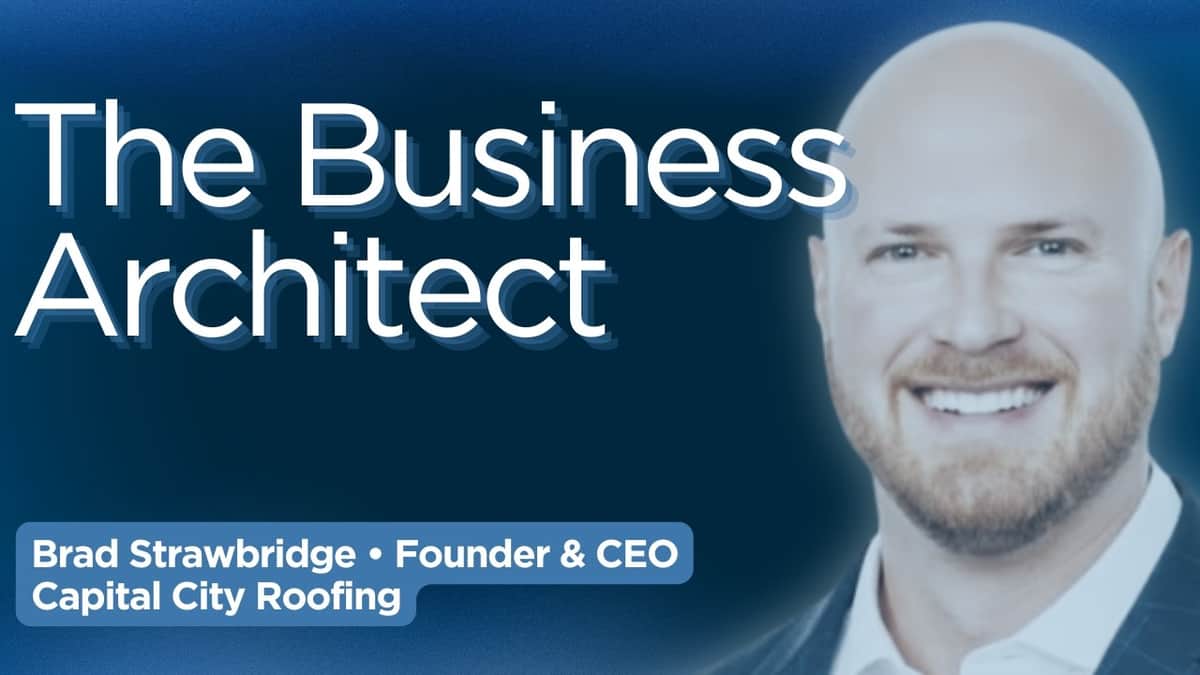
Brad Strawbridge's appearance on The Intelligent Builder with Owen Gagne reveals the strategic logic behind the Capital City Roofing licensing model - and why disciplined, systems-first operators are choosing licensing over franchising to scale.
This article is a companion deep dive to Brad Strawbridge's appearance on The Intelligent Builder podcast with Owen Gagne, where they explore the operating philosophy behind the Capital City Roofing licensing model.
The hardest thing to build in a service business isn't a customer base. It's a system that runs without you in the room.
Most roofing companies never crack it. The owner is still the highest-leverage person on every job, every estimate, every difficult customer call. The moment they stop showing up, the business slows down. That's not a company. That's a job with overhead.
Brad Strawbridge built the other kind - and then licensed it.
In his conversation with Owen Gagne on The Intelligent Builder, Brad unpacks the philosophy, the mechanics, and the forward thesis behind the Capital City Roofing Licensing Platform. This article expands on that conversation with the full strategic picture for contractors who want to understand what makes a roofing business licensable - and whether that model is the right path for them.
The Insight Behind the Episode Title
"This Roofing Operator Built a System So Good He Licensed It" is not a marketing headline. It's a precise description of what happened.
Brad came to the roofing industry from Lowe's, where he spent a decade managing large-scale operations: supply chains, customer service systems, multi-location P&L accountability. He brought that same operational rigor to Capital City Roofing when it launched in May 2024.
The result: $3 million in year one. $10 million on track in year two. Not because Brad was better at selling roofs than every other contractor in Georgia - but because the system was better at running a roofing business than most contractors' intuition.
When you build that kind of infrastructure, something interesting becomes possible. The system becomes transferable.
What Makes a Business Licensable?
Most roofing businesses can't be licensed because they exist primarily inside the founder's head. Decisions get made based on experience and instinct. Processes are tribal knowledge passed by watching someone else do it. Quality depends entirely on which crew shows up.
A licensable business has a fundamentally different architecture:
Explicit decision rules. Not "use your judgment" but "if X, do Y." Every fork in a workflow is documented. Every exception has a protocol. New operators can execute the system at the same quality level as the original because the judgment has been codified, not carried inside a person.
Technology-enabled consistency. At Capital City Roofing, BuilderLync is the connective tissue. Every lead, every appointment, every proposal, every follow-up sequence runs through the same platform. A licensed partner in Nashville and a company-owned operation in Atlanta produce the same customer experience because the tool enforces it.
Training infrastructure that scales. Capital City University - CCR's onboarding curriculum built on structured knowledge bases - means new operators and their teams start from the same foundation. No two-week job shadow. No "figure it out as you go." Structured, documented, AI-assisted training from day one.
Back-office systems that remove the administrative ceiling. Phone answering, appointment booking, material ordering, warranty filing, bookkeeping, and compliance support are handled centrally. Licensed partners can focus on sales and relationships without building the back office from scratch.
When all of these exist simultaneously, you have something licensable. Most roofing companies have none of them at the level required.
Licensing vs. Franchising: The Real Distinction
The roofing industry has seen a wave of franchise activity in recent years. Understanding why the CCR licensing model is structurally different matters for any contractor evaluating their options.
| Traditional Roofing Franchise | CCR Licensing Platform | |
|---|---|---|
| Entry Fee | $100,000 to $500,000+ | $15,000 |
| Royalty Structure | Uncapped percentage of gross | 5% capped |
| Contract Length | 5 to 10-year lock-in | One-year auto-renewing |
| Technology | Purchase separately | Included (BuilderLync) |
| Training | Onboarding week plus manual | Ongoing (Capital City University) |
| Back-Office Support | Limited, often outsourced | Included and integrated |
| AI Infrastructure | None or fragmented | Full 10-agent workflow layer |
The franchise model charges for brand access. The licensing model charges for operational access - the infrastructure that makes the brand worth carrying.
This distinction matters because the brand is not what creates value for customers or partners. The system creates value. The brand reflects it.
Explore the full licensing terms at capitalcityroofing.net/licensing.
The AI Layer That Makes It Work
One of the most important topics in the Intelligent Builder conversation is how artificial intelligence underpins the entire operational model.
Capital City Roofing runs a 10-agent AI orchestration system that handles the administrative and communication workflows that consume most contractor hours. When a lead comes in:
- The intake agent books the appointment and adds it to the rep's calendar
- The measurement agent orders the aerial data and roof report
- The proposal agent assembles the estimate from the measurement data and company pricing
- The communication agents send appointment reminders and keep the homeowner informed
- The follow-up agent runs the sequence until the deal closes or the prospect is definitively disqualified
The humans in this system are doing what humans should do: building relationships, running appointments, making judgment calls on complex jobs.
This isn't theoretical. The same system helped CCR licensing partner Blake Grissom win a $200,000 HOA community project in Charleston - with a capital improvement plan, photographic report, and presentation deck produced so fast and thoroughly that the board said they had "never seen something so thorough, so beautifully written, so fast, ever."
The technology behind this runs through BuilderLync and the AI infrastructure Brad has developed. Licensed partners inherit all of it.
Read more about the AI operating system in Brad's Hook Better Leads podcast deep dive and the AI & Marketing Show appearance.
Why Owen Gagne's Lens Matters
The Intelligent Builder is specifically about helping residential contractors build businesses that run without them. Owen's entire framework is aimed at the point where a contractor's personal effort becomes the ceiling on their company's growth.
That's the conversation Brad is uniquely positioned for - because he solved it, at scale, and then systematized the solution well enough that other operators could deploy it.
The thesis of the episode: the contractor who builds systems beats the contractor who builds skills. Skills don't transfer. Systems do.
Where the Model Is Going
The current licensed footprint includes Nashville and Charleston, with additional markets in development. Brad's selection criteria for licensed partners is explicit: operational experience, values alignment, and the capacity to execute a system rather than improvise one.
This is not a passive investor model. CCR licensing partners are operators who want to build real businesses, not just license a logo. The infrastructure is there. The differentiation is there. The back-office is there. What's required from the partner is leadership and execution.
For contractors evaluating whether this is the right path, Brad lays out the decision framework clearly in the Intelligent Builder episode: if you're good at running jobs but struggling to build the operational infrastructure around them, the licensing model lets you deploy that infrastructure instead of building it.
If you're already building similar systems independently, the conversation is different - and Brad is willing to have it. His perspective at bradstrawbridge.com represents a full body of thought on where the roofing industry is going.
The Feeding the Future Thread
True to form, Brad connects the business model to the mission. The Feeding the Future Project - the 501(c)(3) he founded with a goal of feeding one million children in ten years - is funded by every roof Capital City Roofing replaces. As the licensing platform scales, so does the mission's reach.
For licensed partners, this isn't a tagline. It's part of the brand promise they carry. Every job they close contributes.
Watch the Full Episode
The full conversation is on The Intelligent Builder YouTube channel: watch here. Owen and Brad cover the operational philosophy, the licensing terms, the AI infrastructure, and the forward vision for roofing consolidation in ways that the summary above doesn't fully capture.
For contractors specifically researching the licensing model: capitalcityroofing.net/licensing.
Related Reading
- Why We Built the Capital City Licensing Platform Instead of Becoming a Franchise - The strategic argument in full
- What Roofing Operators Inherit on the Capital City Licensing Platform - The full operational picture
- Why the Capital City Licensing Platform Runs on BuilderLync - The technology explained
- How Smart Contractors Use AI to Close More Deals (Without More Leads) - The $200K Charleston proof point
- How to Evaluate a Roofing Franchise Decision Framework - Franchise vs. licensing due diligence
- Scaling to $10M in Year 2: Capital City Roofing's AI Advantage - The growth trajectory
Contractors interested in the licensing platform: capitalcityroofing.net/licensing
BuilderLync for your roofing operation: builderlync.com
Brad Strawbridge's thought leadership on AI and roofing: bradstrawbridge.com
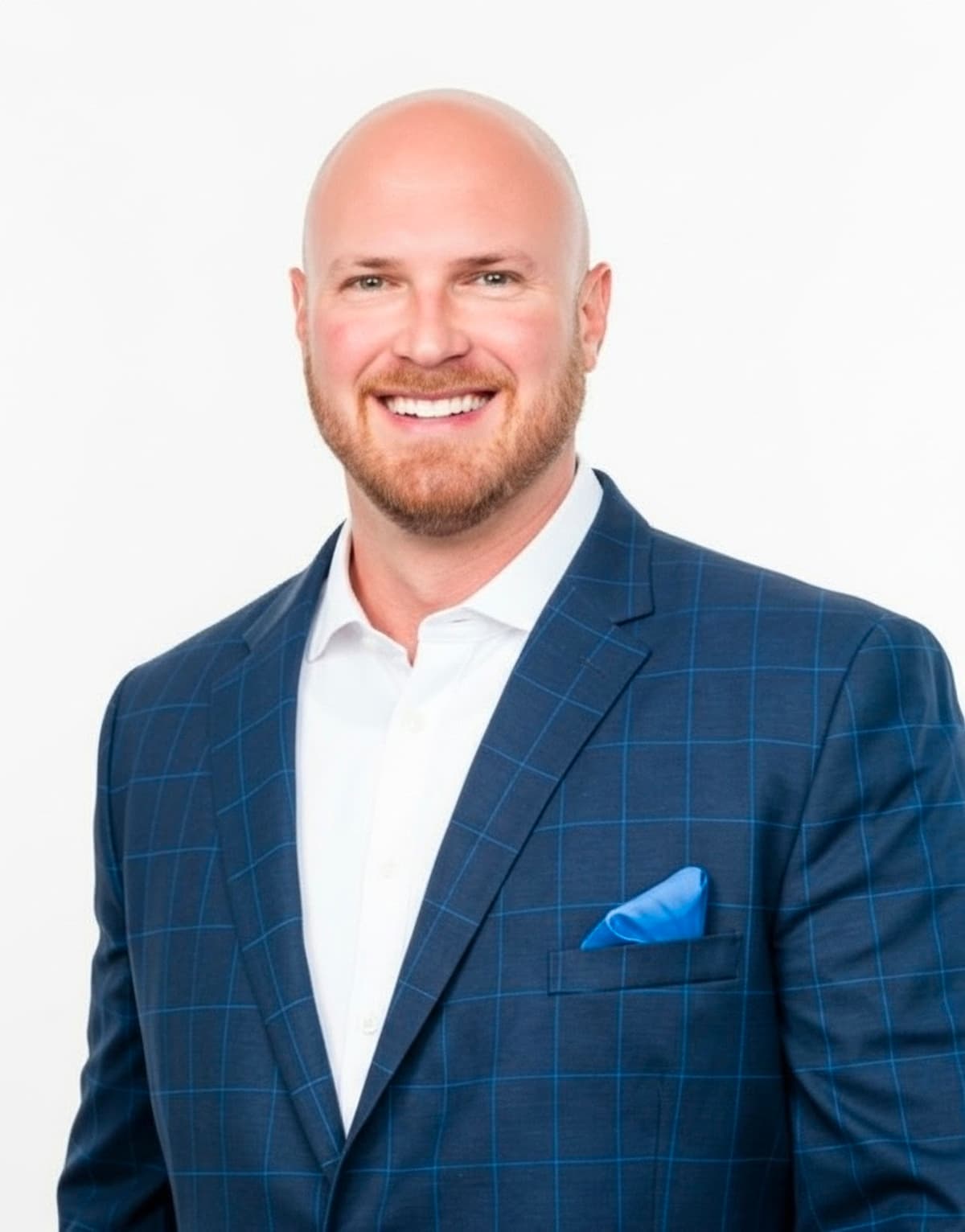
Brad Strawbridge
Founder & CEO · Forbes Business Council Member • RT3 & NRAP Board of Directors • GAF Master Elite® • CertainTeed ShingleMaster™ • NRCA Residential & Workforce Development Committees
Brad Strawbridge is the Founder and CEO of Capital City Roofing, bringing over a decade of hands-on expertise to the industry. He is an official member of the Forbes Business Council, the invitation-only community for vetted senior-level business leaders, and serves on the Boards of Directors of the Roofing Technology Think Tank (RT3) and the National Roofing Apprenticeship Program (NRAP). A member of the National Roofing Contractors Association (NRCA), Brad has been appointed to the NRCA Residential Roofing Committee and the NRCA Workforce Development Committee, helping set national standards for installation quality and the future of the roofing labor force. Under his leadership, Capital City Roofing has earned GAF Master Elite and CertainTeed ShingleMaster Premier, the top contractor credential from each manufacturer.