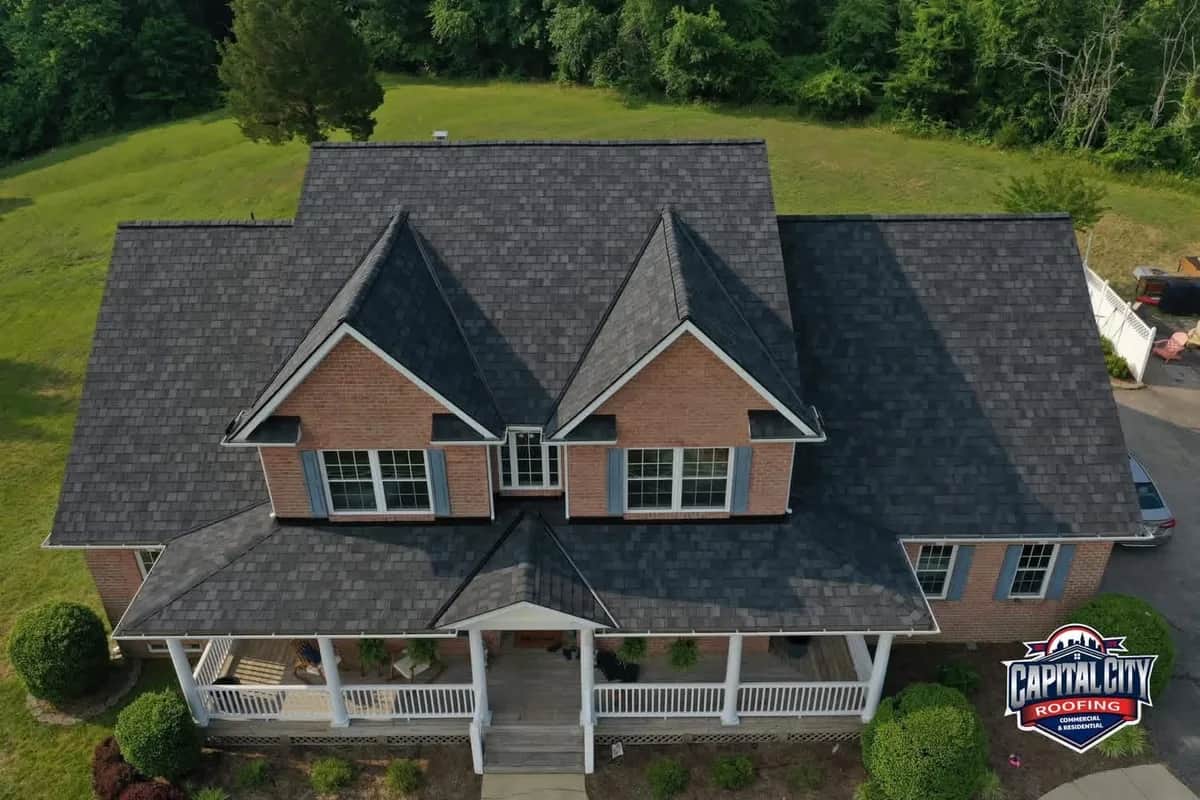
Roof Repair vs. Replacement: How to Make the Right Decision
Not sure whether to repair or replace your roof? Here's what every homeowner needs to consider.
One of the most common questions homeowners face is whether to repair their existing roof or invest in a full replacement. Making the right decision can save you thousands of dollars and years of worry.
When to Repair
Roof repair is typically the right choice when damage is localized to a small area, your roof is less than 15 years old, you have minor leak issues that can be traced to specific points, or only a few shingles are damaged or missing.
When to Replace
A full roof replacement makes more sense when your roof is approaching or past its expected lifespan (20-25 years for asphalt shingles), you're experiencing multiple leaks in different areas, more than 30% of the roof surface is damaged, or you can see daylight through the roof boards.
The Cost Factor
While repairs are less expensive upfront, repeated repairs on an aging roof can quickly exceed the cost of replacement. A new roof also adds significant value to your home - typically recovering 60-70% of the investment at resale.
Energy Efficiency
Modern roofing materials offer significantly better insulation and reflectivity than older materials. A new roof can reduce your energy bills by 15-25%, making replacement a smart long-term investment.
Get a Professional Assessment
The best way to determine whether repair or replacement is right for your situation is to get a professional inspection. Capital City Roofing offers free, no-obligation inspections with honest recommendations. When a full system is the right call, see our full home roof replacement in Atlanta page.
When Repair Is the Smarter Investment
The instinct to replace an entire roof when damage appears is understandable but not always correct. A localized repair makes financial sense when the damage is confined to a specific area, the remaining roof system has significant service life left, and the repair materials can be matched to the existing installation. A ten-year-old roof with hail damage on one slope and clean shingles on the other three is a candidate for a partial replacement rather than a full tear-off, assuming the decking and underlayment underneath are sound.
The key question is whether the existing materials can accept a patch without creating a weak seam. Architectural shingles age unevenly depending on sun exposure, and a new shingle next to a weathered one may not bond properly at the overlap. A professional assessment determines whether the repair zone can integrate with the surrounding material or whether the mismatch creates a future failure point.
When Replacement Becomes Unavoidable
Three conditions push a repair into replacement territory. First, when damage spans multiple slopes and the repair scope approaches sixty to seventy percent of a full replacement cost, the marginal expense of completing the job is outweighed by the warranty and performance benefits of a new system. Second, when the existing materials are beyond their rated service life and any repair is a patch on a system that is already past due. Third, when insurance covers a full replacement and the homeowner would be paying out of pocket only for their deductible anyway.
In the insurance scenario, a key detail matters: Georgia carriers that approve a full replacement expect the work to be completed with the approved materials within the policy's recovery window. Switching to a cheaper material to pocket the difference can void both the insurance agreement and the new manufacturer warranty. Capital City Roofing provides transparent scoping on every project. Our free 27-point inspection gives you the condition data to make an informed repair-versus-replace decision, and our credentials on the certifications page back every recommendation. When replacement is the honest call, see our full home roof replacement in Atlanta page. For credential tiers, read GAF Master Elite vs other certified contractors.
Brad Strawbridge
Founder & CEO · Forbes Business Council Member • RT3 & NRAP Board of Directors • GAF Master Elite® • CertainTeed ShingleMaster™ • NRCA Residential & Workforce Development Committees
Brad Strawbridge is the Founder and CEO of Capital City Roofing, bringing over a decade of hands-on expertise to the industry. He is an official member of the Forbes Business Council, the invitation-only community for vetted senior-level business leaders, and serves on the Boards of Directors of the Roofing Technology Think Tank (RT3) and the National Roofing Apprenticeship Program (NRAP). A member of the National Roofing Contractors Association (NRCA), Brad has been appointed to the NRCA Residential Roofing Committee and the NRCA Workforce Development Committee, helping set national standards for installation quality and the future of the roofing labor force. Under his leadership, Capital City Roofing has earned GAF Master Elite and CertainTeed ShingleMaster Premier, the top contractor credential from each manufacturer.