Roof Color Selection: Aesthetics and Performance

How roof color affects home aesthetics, energy efficiency, and resale value in Georgia.
Roof color impacts aesthetics, energy efficiency, and home value, making selection an important decision.
Color and Energy Efficiency
Light colors reflect 40-60% of solar heat, reducing cooling costs. Dark colors absorb 80-90% of solar heat, increasing attic temperatures. In Georgia's hot climate, light colors provide significant energy savings. However, dark colors may reduce heating costs in winter.
Aesthetic Considerations
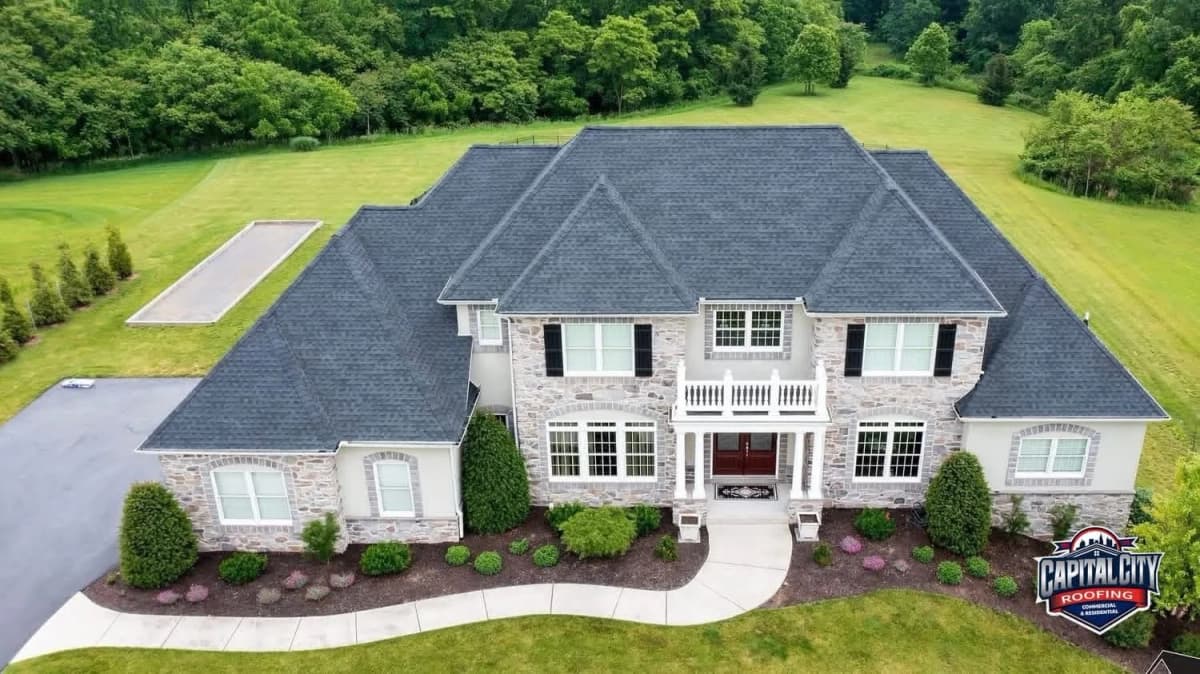
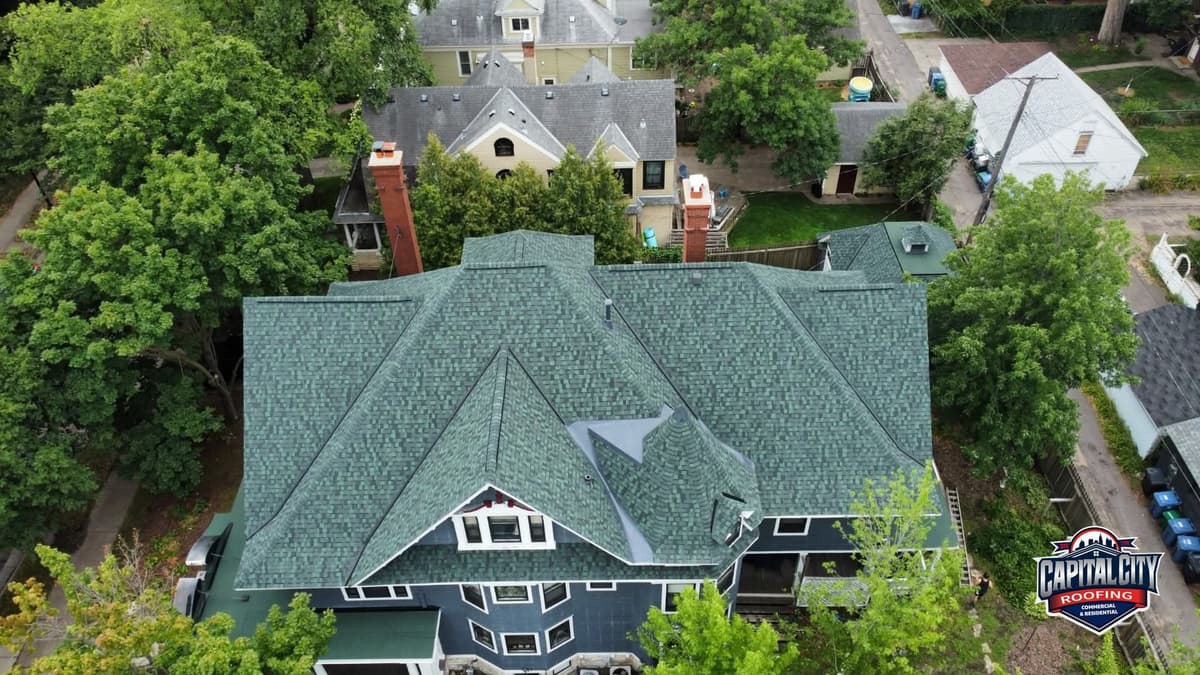
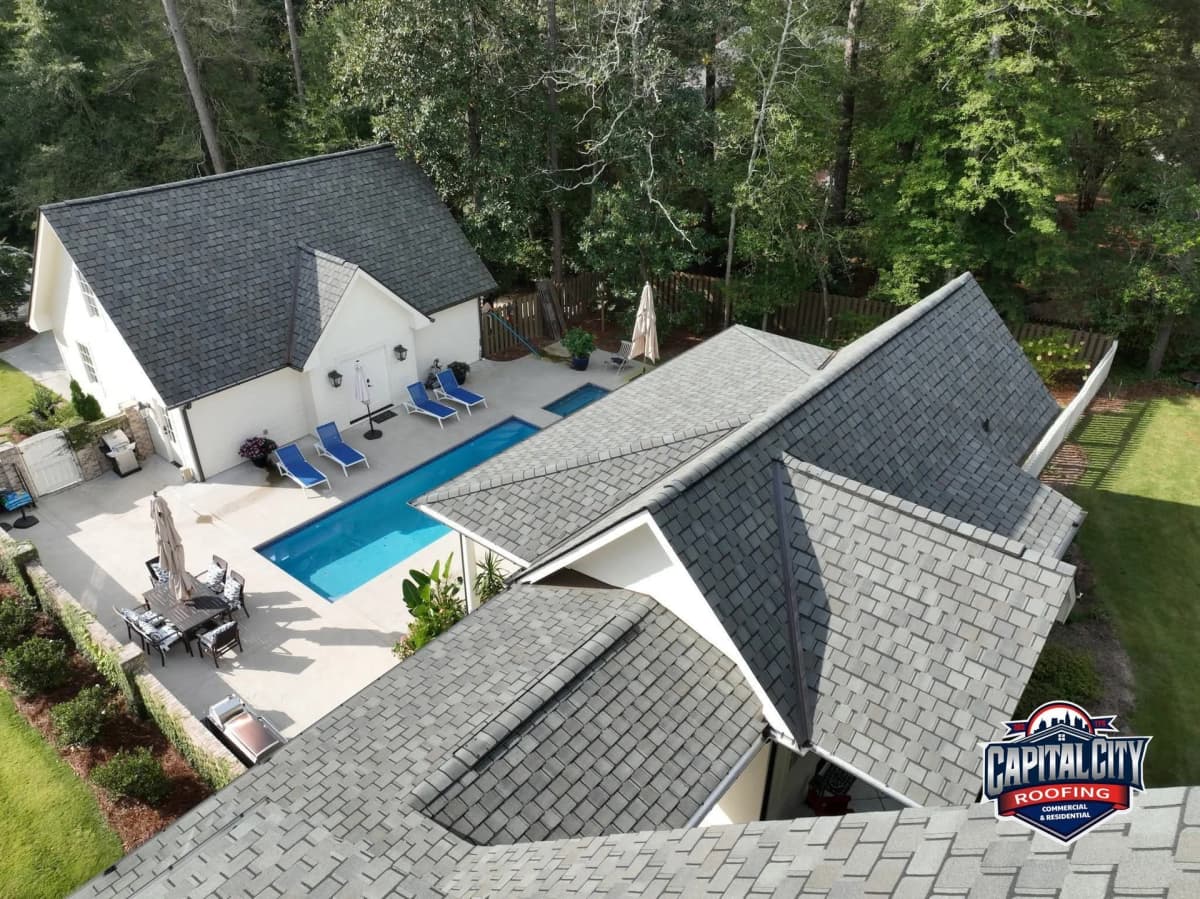
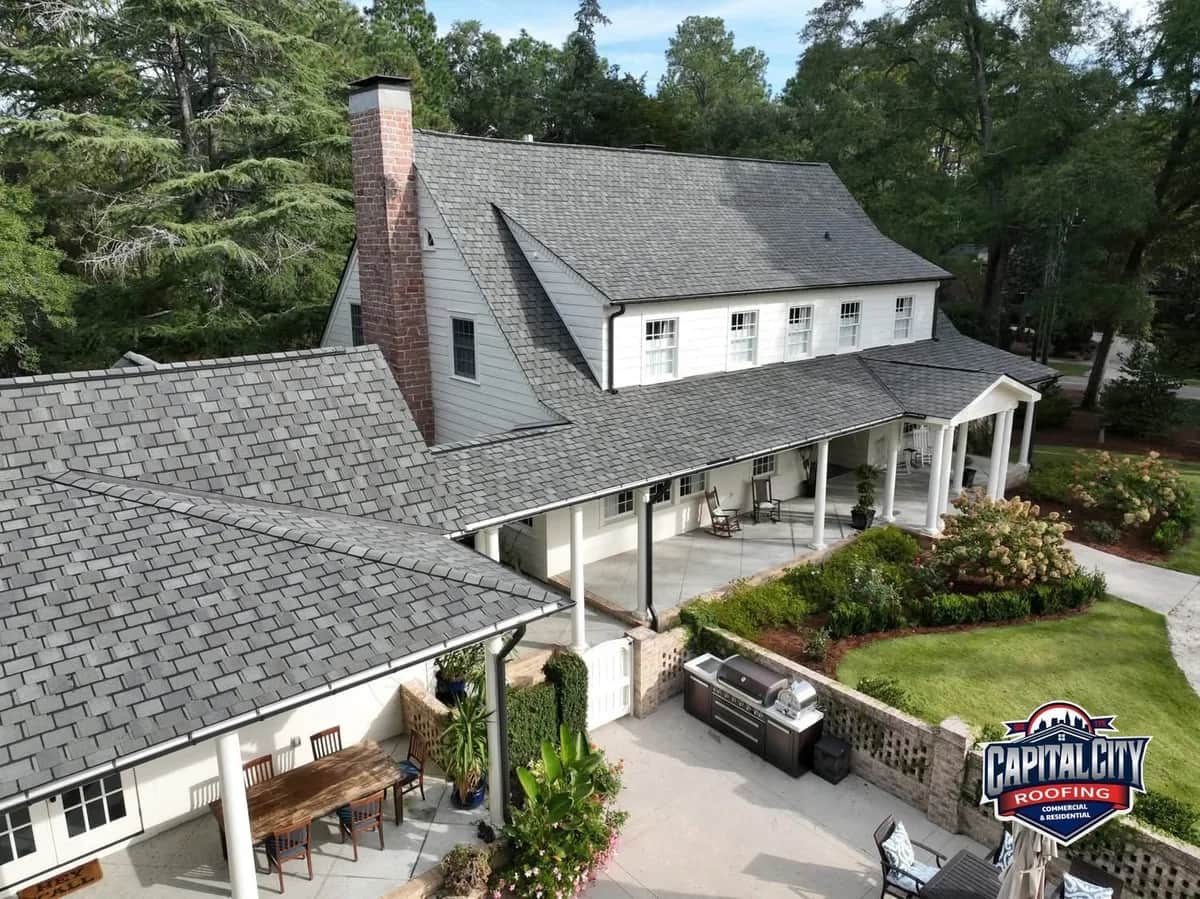
Roof color should complement siding, brick, and trim colors. Consider neighborhood aesthetics and HOA requirements. Popular Georgia combinations include gray roofs with white or beige siding, brown roofs with brick homes, and charcoal roofs with modern exteriors.
Resale Value Impact
Neutral colors (gray, brown, charcoal) appeal to most buyers and maximize resale value. Bold colors may limit buyer appeal. Consider long-term plans when selecting color.
HOA Compliance
Many Georgia HOAs restrict roof colors. Verify HOA requirements before selection. Capital City Roofing helps navigate HOA approval processes.
Color Options by Manufacturer
GAF Timberline HDZ offers 15+ colors including popular Weathered Wood, Charcoal, and Pewter Gray. CertainTeed Landmark Pro offers 20+ colors with excellent fade resistance. We provide samples to help you visualize options on your home.
Reading Color in Real Light, Not on a Sample
A two-inch shingle swatch under store lighting rarely predicts how a roof reads across an entire elevation in full Georgia sun. Manufacturers build their color through a blend of differently tinted granules, so what looks like a flat "gray" up close resolves into depth and movement at scale. The practical move is to view a full bundle or a manufacturer's larger display board outdoors, hold it against your actual brick or siding, and check it at different times of day. Morning and late-afternoon light shift undertones dramatically, and a blend that feels warm at noon can turn cool and flat by evening.
Pitch and sightline matter too. On a steep front-facing roof in Milton or Alpharetta, the color dominates the home's curb appeal and should harmonize with stone, trim, and shutters. On a low-slope or rear roof barely visible from the street, performance can outweigh appearance. Fixed elements like brick and stone are nearly impossible to change later, so the roof should defer to them rather than compete.
Balancing Curb Appeal With Climate and Approval
Color is not purely cosmetic in a hot climate. Lighter and mid-tone blends generally stay cooler than deep charcoals and blacks, which can matter for attic temperature over a long Atlanta cooling season, though ventilation and underlayment influence this as much as shade. If a darker, dramatic look is the goal, pairing it with strong attic airflow keeps the trade-off in check. Fade resistance also varies by product line, so ask how a given color is expected to weather over a decade rather than how it looks on day one.
Before finalizing, confirm any HOA or architectural-review color list, since many Roswell and Johns Creek communities approve only specific palettes and an unapproved choice can mean a forced redo. Neutral, broadly appealing tones also tend to protect resale value if you may sell within a few years. We bring full color samples to your home so you can judge them in context, and you can start with a free inspection and color consultation or reach out with questions about coordinating color with an upcoming exterior refresh.
Brad Strawbridge
Founder & CEO · Forbes Business Council Member • RT3 & NRAP Board of Directors • GAF Master Elite® • CertainTeed ShingleMaster™ • NRCA Residential & Workforce Development Committees
Brad Strawbridge is the Founder and CEO of Capital City Roofing, bringing over a decade of hands-on expertise to the industry. He is an official member of the Forbes Business Council, the invitation-only community for vetted senior-level business leaders, and serves on the Boards of Directors of the Roofing Technology Think Tank (RT3) and the National Roofing Apprenticeship Program (NRAP). A member of the National Roofing Contractors Association (NRCA), Brad has been appointed to the NRCA Residential Roofing Committee and the NRCA Workforce Development Committee, helping set national standards for installation quality and the future of the roofing labor force. Under his leadership, Capital City Roofing has earned GAF Master Elite and CertainTeed ShingleMaster Premier, the top contractor credential from each manufacturer.