
How Long Should a Roof Last in Georgia?
Comprehensive guide to roof lifespans in Georgia's climate, including factors that affect longevity.
Roof lifespan varies significantly based on materials, installation quality, maintenance, and Georgia's climate. Homeowners in Alpharetta, Johns Creek, and Roswell face similar climate challenges that affect roof longevity.
Asphalt Shingle Lifespan
Standard 3-tab shingles last 15-20 years in Georgia. Architectural shingles last 20-30 years. Premium shingles (GAF Timberline HDZ, CertainTeed Landmark Pro) last 25-35 years. Georgia's heat and storm activity reduce lifespan compared to northern climates.
Metal Roofing Lifespan
Metal roofs last 40-70+ years in Georgia. They resist storm damage better than shingles and reflect heat, reducing thermal stress. Higher upfront cost is offset by longer lifespan and lower maintenance.
Factors Affecting Lifespan
Installation quality is the primary factor-poor installation reduces lifespan by 30-50%. Maintenance frequency, ventilation adequacy, storm damage frequency, and tree coverage all impact longevity. Professional installation by GAF-certified contractors like Capital City Roofing maximizes lifespan.
Extending Roof Life
Annual professional inspections, prompt repair of minor issues, proper ventilation and insulation, and regular gutter cleaning all extend roof life. Well-maintained roofs often exceed expected lifespan.
When to Replace
Replace when your roof approaches expected lifespan, experiences frequent leaks, shows extensive granule loss, or has widespread shingle damage. Professional inspection determines whether repair or replacement is appropriate. Capital City Roofing serves homeowners in Dunwoody, Suwanee, Nashville, and across four states.
Beyond Asphalt and Metal: Tile, Slate, and Synthetic
Asphalt and standing-seam metal cover most metro Atlanta homes, but heavier systems behave differently under Georgia's freeze-thaw swings and humidity. Concrete and clay tile can endure for decades when the underlayment beneath them is maintained, since the tile itself rarely fails before the waterproofing layer does. Natural slate is the longest-lived option but demands a structure engineered to carry the weight. Composite and synthetic shingles aim to mimic slate or shake while shedding heat more efficiently. Whatever the material, the deck, flashing, and underlayment age on their own timeline, so a "lifetime" product can still leak at a valley or chimney long before the surface wears out.
Why Stated Lifespan and Real Lifespan Diverge
Manufacturer figures describe ideal conditions. In practice, asphalt architectural shingles in Georgia typically last around 25 to 30 years, while metal roofs often reach 40 to 70, but ventilation, attic moisture, and storm exposure move that number in either direction. Overheated, poorly vented attics in Roswell and Cumming cook shingles from below; overhanging trees in older Marietta neighborhoods trap debris and accelerate granule loss. The single biggest variable remains installation quality, which is exactly why dual-certified credentials matter for the crew on your roof.
A practical longevity routine looks like this: schedule a professional look every year or two and again after any significant hail or wind event, keep gutters and valleys clear, confirm balanced intake and exhaust ventilation, and address small flashing failures before they reach the deck. Documenting roof condition over time also strengthens any future insurance conversation, since adjusters distinguish sudden storm damage from gradual wear.
If you are unsure where your roof sits on its lifespan curve, our free 27-Point Inspection uses drone and photo documentation to grade each component honestly rather than push a premature replacement. You can request that inspection or reach our team with questions about a roof that is simply showing its age. Homeowners weighing material upgrades for the long term can also review our manufacturer certifications to understand who is qualified to install longer-lived systems correctly.
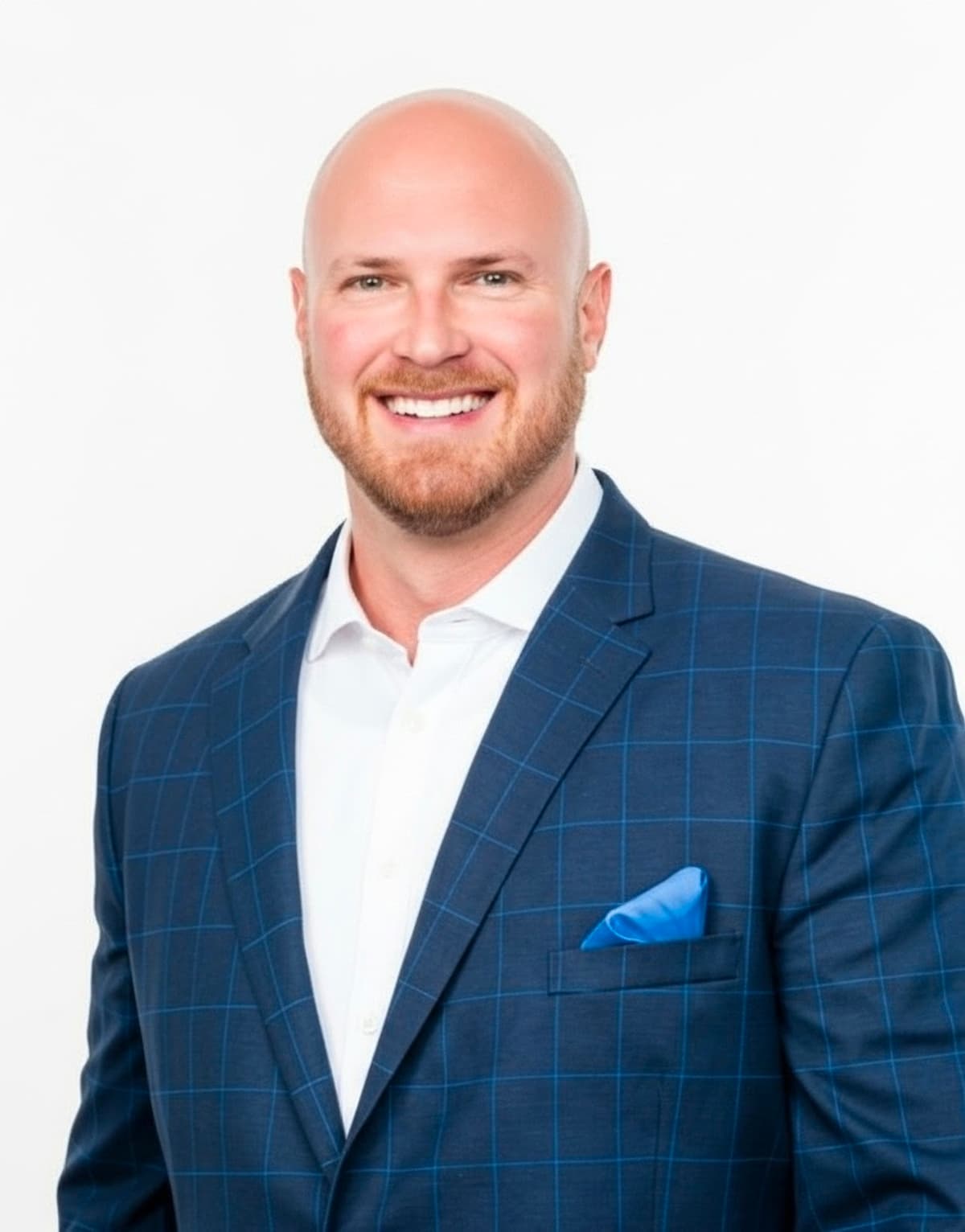
Brad Strawbridge
Founder & CEO · Forbes Business Council Member • RT3 & NRAP Board of Directors • GAF Master Elite® • CertainTeed ShingleMaster™ • NRCA Residential & Workforce Development Committees
Brad Strawbridge is the Founder and CEO of Capital City Roofing, bringing over a decade of hands-on expertise to the industry. He is an official member of the Forbes Business Council, the invitation-only community for vetted senior-level business leaders, and serves on the Boards of Directors of the Roofing Technology Think Tank (RT3) and the National Roofing Apprenticeship Program (NRAP). A member of the National Roofing Contractors Association (NRCA), Brad has been appointed to the NRCA Residential Roofing Committee and the NRCA Workforce Development Committee, helping set national standards for installation quality and the future of the roofing labor force. Under his leadership, Capital City Roofing has earned GAF Master Elite and CertainTeed ShingleMaster Premier, the top contractor credential from each manufacturer.