Roof Ventilation: Why It Matters Year-Round
Understanding roof ventilation systems and their critical role in roof longevity and energy efficiency.
Proper roof ventilation is essential for roof longevity, energy efficiency, and preventing moisture damage.
How Ventilation Works
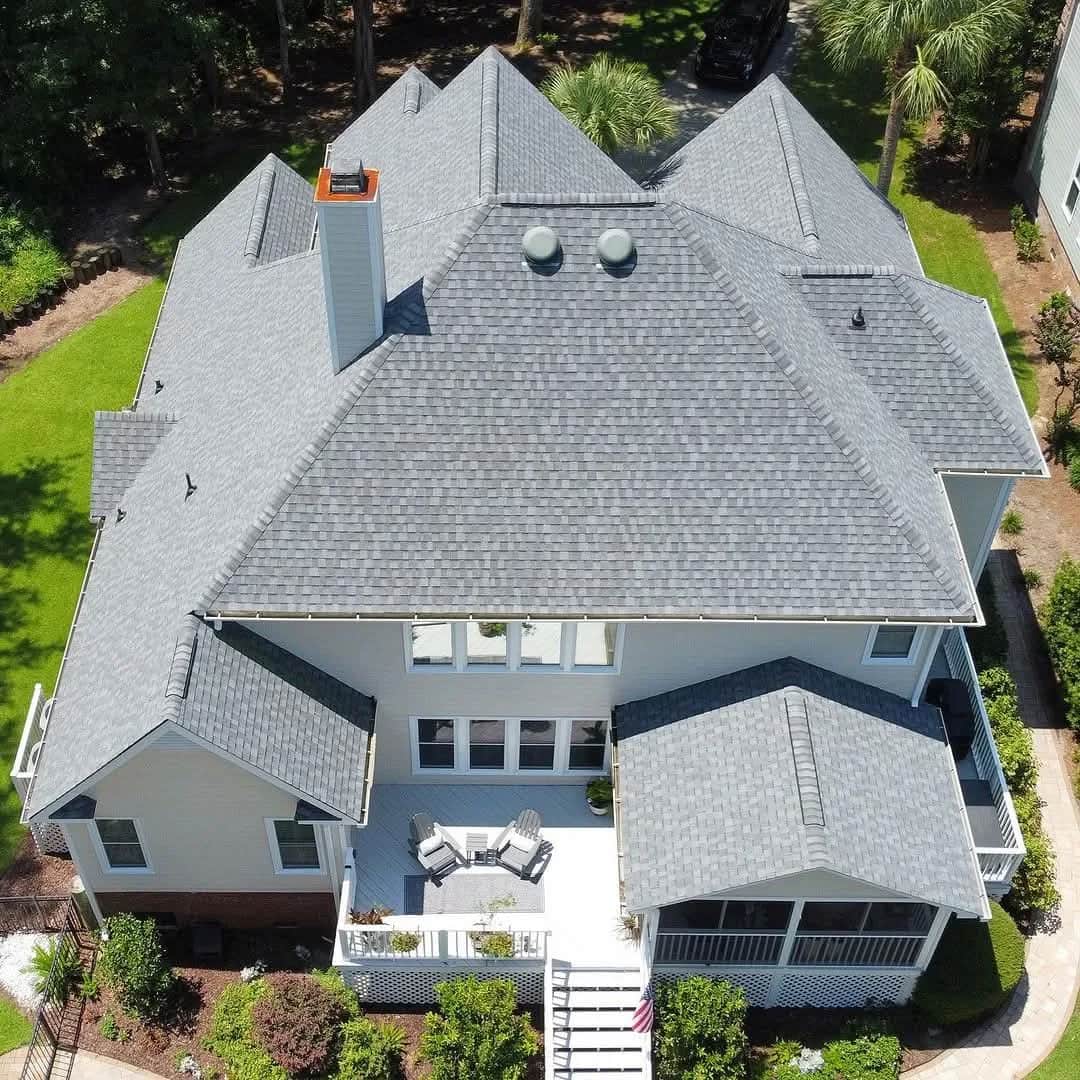
Roof ventilation systems use intake vents (soffit vents) and exhaust vents (ridge vents, gable vents, or roof vents) to create continuous airflow. This airflow removes heat and moisture from attic spaces, protecting roofing materials and insulation.
Summer Benefits
Proper ventilation reduces attic temperatures by 20-30 degrees during Georgia summers. This extends shingle life by reducing heat stress, lowers cooling costs by 15-25%, and prevents premature aging of roofing materials.
Winter Benefits
Ventilation prevents moisture accumulation that causes mold growth, wood rot, and insulation damage. In north Georgia, it prevents ice dam formation by maintaining consistent roof temperatures.
Signs of Poor Ventilation
Look for excessive attic heat in summer, moisture or frost in attic during winter, curling or buckling shingles, mold or mildew in attic, and high energy bills.
Ventilation Solutions
Capital City Roofing assesses ventilation adequacy and recommends solutions including ridge vent installation, soffit vent addition, attic fan installation, and proper insulation. Proper ventilation is essential for warranty compliance and roof longevity.
The Balance That Makes a System Work
The most common ventilation mistake is treating it as a count of vents rather than a balanced loop of intake and exhaust. Air has to enter low at the soffits and leave high at the ridge in roughly equal measure; when those two are matched, the attic breathes steadily on its own through natural convection. When they are not, the system stalls or even works against itself. A ridge vent paired with blocked or insufficient soffits, for example, can begin pulling makeup air from inside the house, dragging conditioned air and humidity up into the attic and undercutting the very purpose of the system. Mixing exhaust types on one roof plane, such as a ridge vent and powered fan competing on the same slope, creates short-circuits where air recirculates near the top instead of sweeping the full attic.
This is why a ventilation review starts inside the attic, not on the roof. We check that insulation has not drifted over the soffit openings, that baffles hold an open air channel at the eaves, and that intake and exhaust are reasonably matched for the attic's size before recommending anything.
Why Manufacturers Tie Warranties to Airflow
Ventilation is not only a comfort and energy question; it directly governs how long a roof lasts and whether its warranty stands behind it. Trapped heat bakes shingles from beneath and accelerates the aging that already limits asphalt roofs in Georgia to a typical span of roughly twenty to thirty years. Trapped moisture is just as damaging year-round, condensing on decking and framing, saturating insulation so it loses R-value, and feeding mold. Both leading shingle manufacturers treat adequate ventilation as a condition of their material warranties, so a system that looks fine but cannot breathe can quietly void the coverage a homeowner paid for. The dual GAF Master Elite and CertainTeed ShingleMaster Premier standards described on our certifications page make proper airflow a baseline requirement of every installation, not an upsell.
For homeowners in Atlanta, Alpharetta, and Roswell living with rooms that never cool, an attic that feels like an oven, or musty odors that linger, the cause is frequently an airflow imbalance rather than the equipment itself. A drone-supported attic and roof assessment pinpoints whether intake, exhaust, or both need attention. Schedule your free 27-Point Inspection or contact our team to talk through what you are noticing.
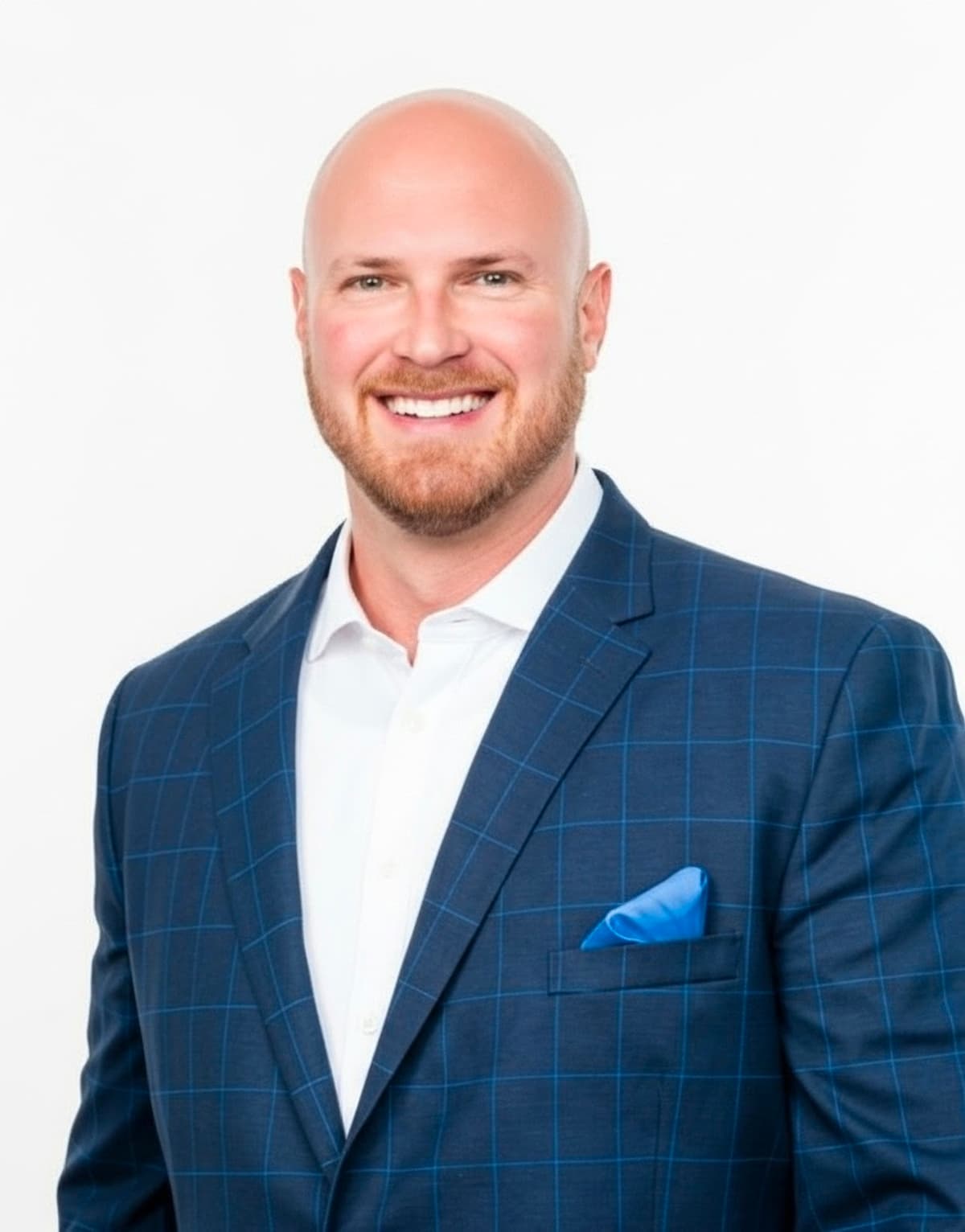
Brad Strawbridge
Founder & CEO · Forbes Business Council Member • RT3 & NRAP Board of Directors • GAF Master Elite® • CertainTeed ShingleMaster™ • NRCA Residential & Workforce Development Committees
Brad Strawbridge is the Founder and CEO of Capital City Roofing, bringing over a decade of hands-on expertise to the industry. He is an official member of the Forbes Business Council, the invitation-only community for vetted senior-level business leaders, and serves on the Boards of Directors of the Roofing Technology Think Tank (RT3) and the National Roofing Apprenticeship Program (NRAP). A member of the National Roofing Contractors Association (NRCA), Brad has been appointed to the NRCA Residential Roofing Committee and the NRCA Workforce Development Committee, helping set national standards for installation quality and the future of the roofing labor force. Under his leadership, Capital City Roofing has earned GAF Master Elite and CertainTeed ShingleMaster Premier, the top contractor credential from each manufacturer.