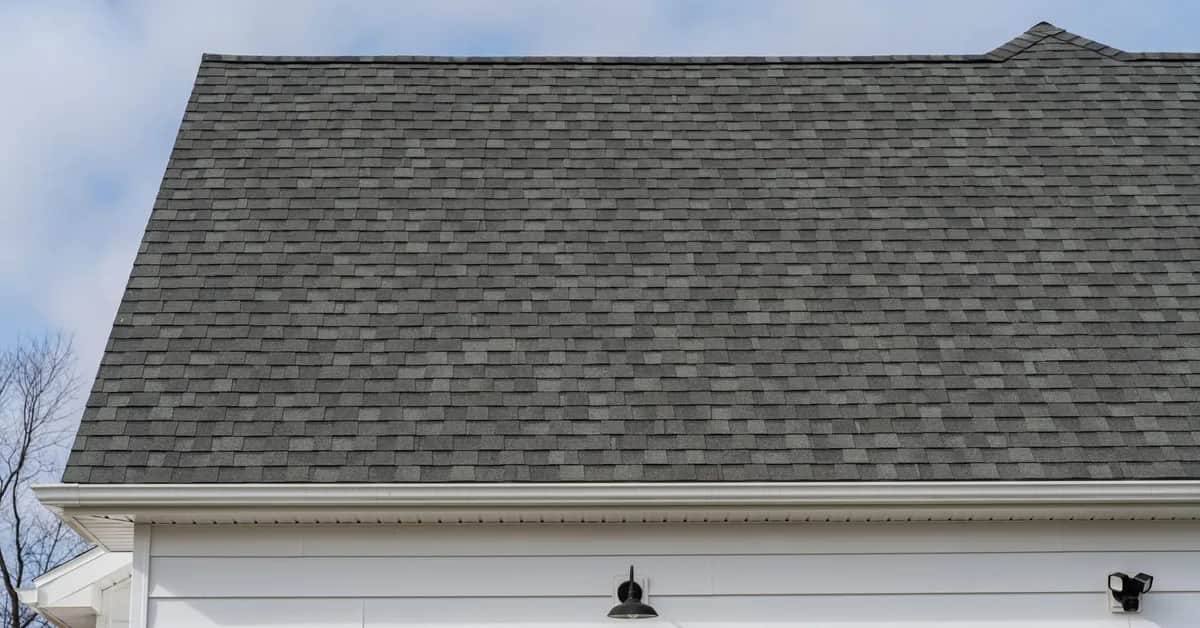
Lightning Damage to Roofs: Recognition and Repair
How to identify lightning damage to roofing systems and coordinate insurance claims for proper repairs.
Lightning strikes can cause significant roof damage, often with hidden impacts not immediately visible.
How Lightning Damages Roofs
Direct lightning strikes create obvious damage-holes, shattered shingles, or burned areas. Indirect strikes through nearby trees or power lines can cause hidden damage including compromised shingle adhesion, damaged underlayment, electrical system issues, and structural stress. The extreme heat from lightning can melt or fuse roofing materials.
Identifying Lightning Damage
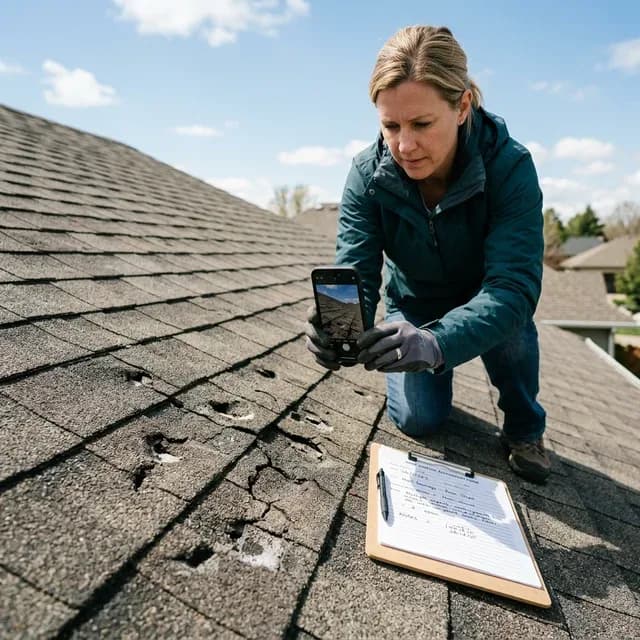
Look for obvious strike points with charring or holes, cracked or shattered shingles in concentrated areas, damaged or melted flashing, and electrical system malfunctions. Interior signs include tripped breakers, damaged electronics, or burn smells. Professional inspection is essential as much lightning damage is hidden.
Insurance Coverage
Lightning damage is covered under most Georgia homeowners policies as a named peril. Document the lightning event if possible-weather reports, neighbor witnesses, or utility company records. Capital City Roofing coordinates with insurance adjusters to ensure both obvious and hidden damage is properly assessed and covered.
Professional Assessment Importance
Lightning damage assessment requires expertise in both roofing and electrical systems. Our inspections include comprehensive roof evaluation, electrical system check recommendations, and BuilderLync documentation for insurance claims. We identify all damage to maximize your insurance benefit.
What Makes Lightning Damage Different From Other Storm Events
Lightning strikes carry energy that operates on a different scale from wind or hail. A single bolt can exceed fifty thousand degrees Fahrenheit at the point of contact, which is hot enough to vaporize moisture inside roofing materials instantly. That rapid steam expansion is what shatters shingles in a starburst pattern rather than simply cracking them. The thermal shock also travels through metal components like flashing, vents, and pipe boots, weakening solder joints and warping seams you cannot see from the ground.
The hidden nature of lightning damage is what separates it from a straightforward hail hit. Wind lifts shingles visibly. Hail dents metal and bruises granule surfaces in patterns an adjuster can photograph. Lightning damage often looks like nothing happened on the exterior while the underlayment, decking, or even framing members underneath have been compromised. Moisture entering through micro-fractures can take months to reveal itself as a ceiling stain, by which point the repair scope has grown considerably.
Documenting a Lightning Strike for Your Insurance Carrier
Filing a lightning claim in Georgia requires more than pointing at a scorch mark. Carriers want a weather event timeline showing that a confirmed lightning strike occurred at or near your property on a specific date. The National Lightning Detection Network data, local utility company outage records, and your own ring camera or security footage all serve as supporting evidence. Pair that with dated, geo-tagged photos of the damage and you have a claim file that an adjuster can approve rather than question.
Capital City Roofing uses BuilderLync to capture every detail of a lightning assessment, from thermal imaging of affected areas to close-up shots of compromised decking and melted flashing. That documentation package travels with your claim so nothing is left to memory or a handwritten note. If you suspect a recent strike affected your roof, the most efficient next step is a professional assessment with a free 27-point inspection. Our dual GAF Master Elite and CertainTeed ShingleMaster Premier credentials, detailed on the certifications page, mean the evaluation meets manufacturer-level standards for both material and workmanship assessment.
Brad Strawbridge
Founder & CEO · Forbes Business Council Member • RT3 & NRAP Board of Directors • GAF Master Elite® • CertainTeed ShingleMaster™ • NRCA Residential & Workforce Development Committees
Brad Strawbridge is the Founder and CEO of Capital City Roofing, bringing over a decade of hands-on expertise to the industry. He is an official member of the Forbes Business Council, the invitation-only community for vetted senior-level business leaders, and serves on the Boards of Directors of the Roofing Technology Think Tank (RT3) and the National Roofing Apprenticeship Program (NRAP). A member of the National Roofing Contractors Association (NRCA), Brad has been appointed to the NRCA Residential Roofing Committee and the NRCA Workforce Development Committee, helping set national standards for installation quality and the future of the roofing labor force. Under his leadership, Capital City Roofing has earned GAF Master Elite and CertainTeed ShingleMaster Premier, the top contractor credential from each manufacturer.