Lilburn GA Roofing Guide: Old Town Charm, Modern Storm Protection
Lilburn roofing for Old Town, Arcado Road, US-29 corridor, and established Gwinnett County neighborhoods. Tree canopy expertise from Capital City Roofing.
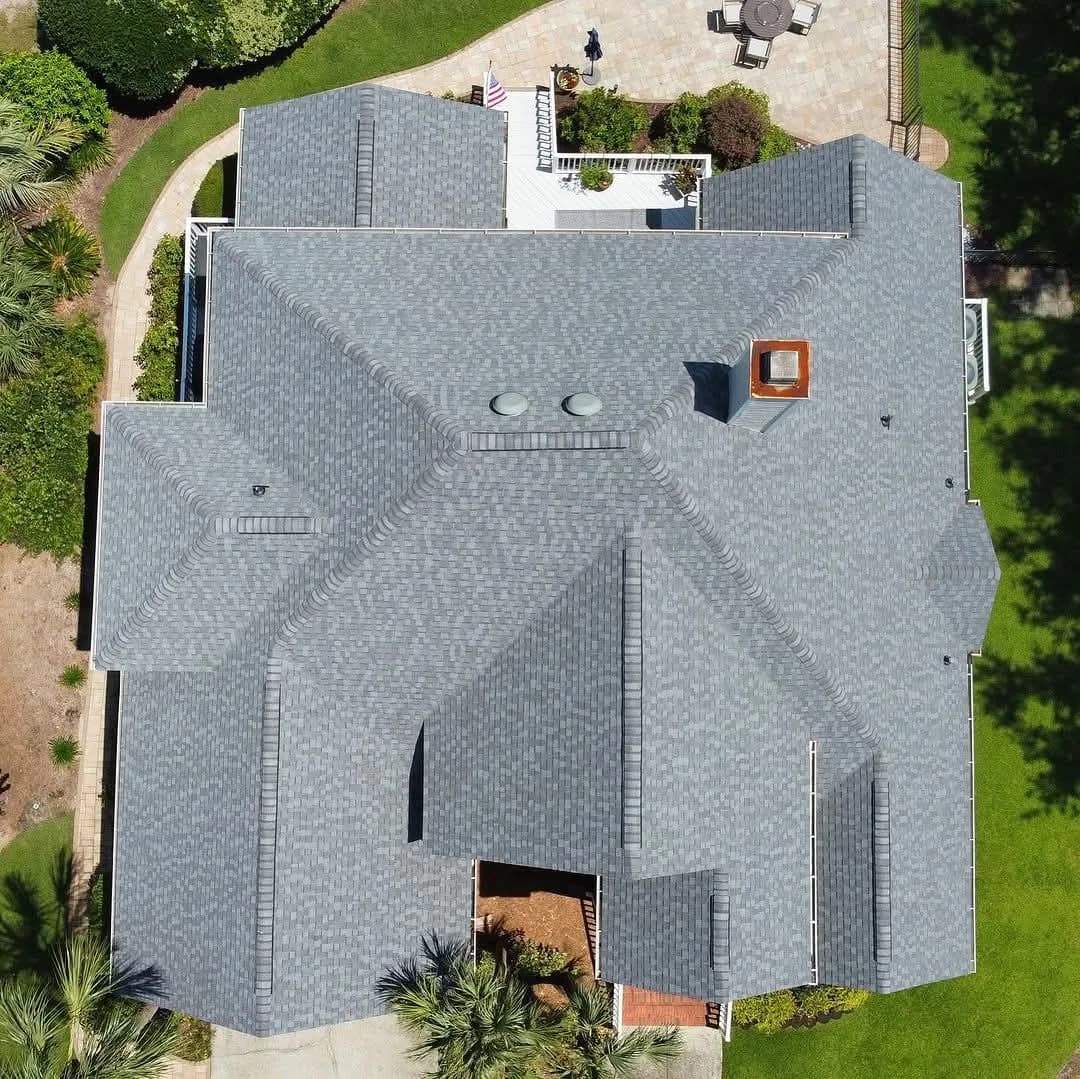
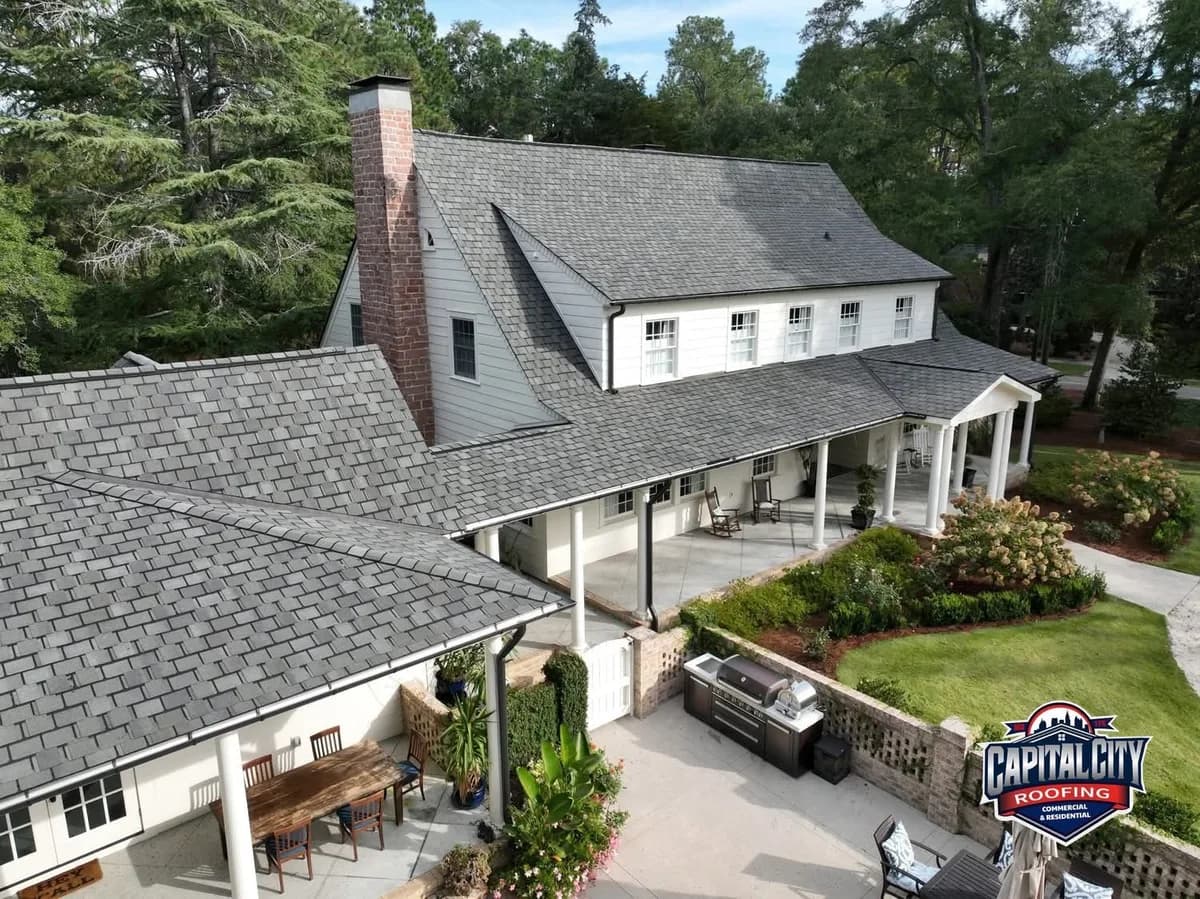
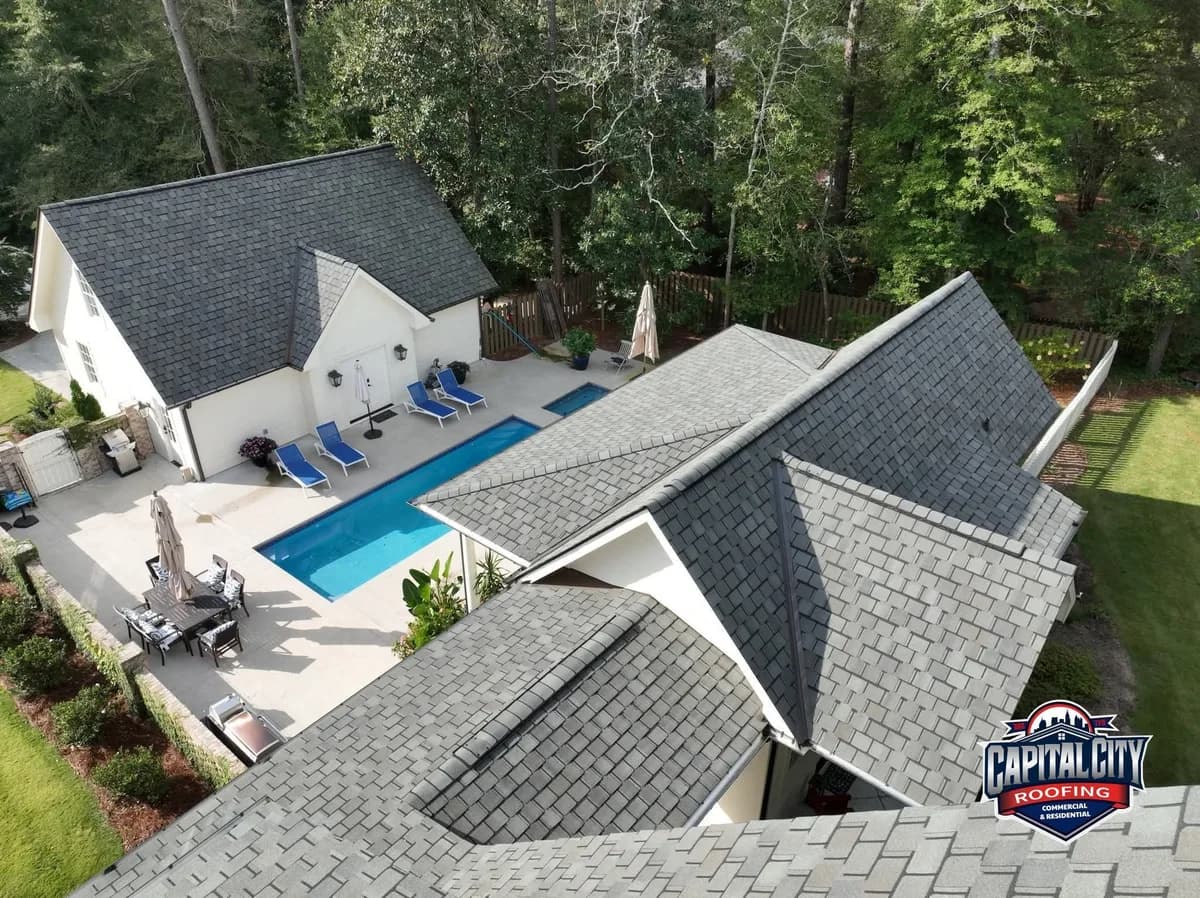
Lilburn occupies a unique position in Gwinnett County, blending the small-town character of its revitalized Old Town district with the established suburban neighborhoods that grew up around it during the 1980s and 1990s housing boom. Mature tree canopy, aging roof systems, and Gwinnett County's active storm season create roofing challenges that require experienced, certified contractors. Capital City Roofing serves Lilburn homeowners with the expertise needed to protect both historic charm and modern investments. We also serve neighboring Snellville and Tucker.
Lilburn's Established Neighborhoods
Lilburn's housing stock tells the story of Gwinnett County's suburban expansion. The city's neighborhoods were largely built during a 20-year window from the early 1980s through the early 2000s, which means the majority of Lilburn homes are now carrying roofs that have reached or exceeded their expected service life.
Old Town Lilburn. The revitalized Old Town Lilburn district along Main Street and surrounding blocks features homes dating from the early 1900s through mid-century, alongside newer infill development. Roofing in Old Town requires sensitivity to architectural character. Many properties feature original design elements, steep pitches, and unique detailing that demand contractors experienced with complex residential layouts. Capital City Roofing approaches every Old Town project with an emphasis on preserving the neighborhood's character while delivering modern storm protection.
Arcado Road Corridor. Arcado Road and the neighborhoods branching off it represent classic 1980s and 1990s Gwinnett County suburban development. Homes in communities along Arcado, Five Forks Trickum, and Indian Trail Lilburn Road are predominantly 30-40 years old. At this age, many homeowners have already had one roof replacement and may be approaching a second. Key indicators to watch include: sagging ridgelines, daylight visible through the attic, widespread granule loss in gutters, and flashing failures around chimneys and plumbing vents.
Lilburn City Park Area. The neighborhoods surrounding Lilburn City Park and the railroad corridor feature a mix of housing ages and styles. This area's mature tree canopy provides beautiful shade but creates ongoing roofing maintenance challenges including debris accumulation, accelerated moisture retention, and increased risk of branch impact during storms.
US-29 Corridor. Lawrenceville Highway (US-29) serves as Lilburn's commercial spine, and the residential neighborhoods flanking this corridor have experienced steady turnover and renovation. Many homeowners in these areas are investing in curb appeal upgrades, and a new roof is often the single most impactful improvement a homeowner can make.
Tree Canopy: Lilburn's Beautiful Problem
Lilburn's mature tree canopy is one of the city's defining features and one of its biggest roofing challenges. Trees that have grown for 30-40 years alongside homes create conditions that accelerate roof wear:
- Debris accumulation in valleys and behind chimneys traps moisture against shingle surfaces
- Shade-driven moss and algae growth shortens shingle life, particularly on north-facing slopes
- Branch scraping during wind events removes granules and creates abrasion damage
- Leaf and needle buildup in gutters causes water to back up under shingles at the eave line
- Storm damage risk increases when mature trees shed large limbs during severe weather
For Lilburn homeowners, we recommend maintaining at least six feet of clearance between branches and roof surfaces. Annual gutter cleaning and professional inspections help catch tree-related damage before it compromises the roofing system.
Storm Season in Gwinnett County
Gwinnett County experiences severe thunderstorm activity from March through late June, with a secondary window of tropical moisture events in the fall. Lilburn's dense tree canopy compounds storm damage because wind-driven debris and falling branches often cause impact damage that is not immediately visible from ground level.
Capital City Roofing's storm response in Lilburn includes:
- Free 27-Point Inspections with roof-level and drone documentation
- BuilderLync damage reporting with timestamped, GPS-tagged photo evidence
- Insurance claim support from initial filing through adjuster meeting coordination
- Supplement negotiation when insurance estimates do not account for hidden damage
- Professional installation backed by our lifetime workmanship warranty
Materials for Lilburn Homes
Given Lilburn's tree canopy and humidity levels, we recommend:
- Algae-resistant architectural shingles with copper or zinc granule protection to combat the shade-driven growth common in wooded neighborhoods
- GAF Timberline HDZ or CertainTeed Landmark Pro as standard recommendations for Lilburn's climate
- Enhanced underlayment systems including synthetic underlayment for improved moisture protection under heavy tree cover
- Impact-resistant (Class 4) options for homes with significant canopy exposure
Serving Lilburn and Western Gwinnett County
Capital City Roofing's Gwinnett County coverage extends from Lilburn into Snellville to the east, Tucker to the southwest, Lawrenceville to the north, and Norcross to the west. Every community along the US-29 and Five Forks corridors benefits from our storm damage expertise and certified roofing solutions.
Get Your Free Lilburn Roof Inspection
Whether you live in Old Town, along the Arcado corridor, or in one of Lilburn's established neighborhoods, Capital City Roofing delivers certified roofing expertise throughout western Gwinnett County. Schedule your free 27-Point Inspection or call 470-ROOF-ATL today.
Learn more: Lilburn Roofing Services | Residential Roofing | Snellville Services
Brad Strawbridge
Founder & CEO · Forbes Business Council Member • RT3 & NRAP Board of Directors • GAF Master Elite® • CertainTeed ShingleMaster™ • NRCA Residential & Workforce Development Committees
Brad Strawbridge is the Founder and CEO of Capital City Roofing, bringing over a decade of hands-on expertise to the industry. He is an official member of the Forbes Business Council, the invitation-only community for vetted senior-level business leaders, and serves on the Boards of Directors of the Roofing Technology Think Tank (RT3) and the National Roofing Apprenticeship Program (NRAP). A member of the National Roofing Contractors Association (NRCA), Brad has been appointed to the NRCA Residential Roofing Committee and the NRCA Workforce Development Committee, helping set national standards for installation quality and the future of the roofing labor force. Under his leadership, Capital City Roofing has achieved elite certifications held by fewer than 1% of contractors nationwide.