Multi-Family Roofing Across the Southeast: What Property Managers Need to Know
Managing roofing across multi-family properties in Nashville, Charlotte, Raleigh, Charleston, and Greenville requires a different approach. Learn how capital planning, NOI impact, and market-specific strategies affect your bottom line.
Multi-family property managers across the Southeast face a common challenge: roofing is one of the largest capital expenditure line items in their portfolio, and the decisions they make about timing, materials, and contractors directly impact net operating income (NOI), tenant satisfaction, and property valuation.
Capital City Roofing provides multi-family roofing services across five major Southeast markets: Nashville, Charlotte, Charleston, Raleigh, and Greenville. Each market has unique characteristics that influence roofing decisions.
This guide addresses the strategic considerations that separate successful multi-family roofing programs from reactive, costly ones.
The NOI Equation: Why Roofing Is a Financial Decision
For multi-family operators, every roofing dollar flows through the NOI calculation. Understanding how roofing decisions affect NOI helps property managers make choices that protect both the physical asset and the investment thesis.
Direct Cost Impact
Roof replacement costs vary by market, building type, and material selection. Across our Southeast markets, multi-family roof replacement typically ranges from $5 to $14 per square foot installed, depending on system type and building complexity.
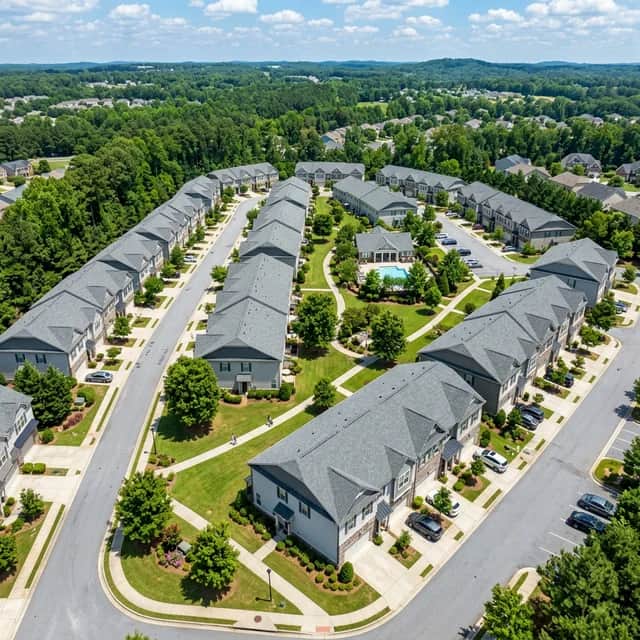
For a 200-unit garden-style apartment community with 150,000 square feet of roof area, a complete re-roof represents a $750,000 to $2.1 million capital expenditure. That number demands serious planning.
Deferred Maintenance Risks
Deferring roof replacement beyond the optimal window creates compounding costs:
- Interior damage: Active leaks damage ceilings, walls, flooring, and personal property, creating unit turnover costs, tenant credits, and potential liability exposure.
- Mold remediation: Water intrusion that goes unaddressed creates mold conditions that require professional remediation, often costing $5,000 to $15,000 per affected unit.
- Accelerated deterioration: A roof that needs replacement but continues to operate beyond its useful life deteriorates at an accelerating rate, increasing emergency repair frequency and overall lifecycle cost.
- Tenant retention: Chronic leak issues drive tenant turnover. The cost of turning a unit (vacancy loss, marketing, make-ready expenses) typically exceeds $3,000 to $5,000 per unit, making leak-driven turnover an expensive proposition.
For a deeper analysis of deferred maintenance costs, see our multi-family deferred maintenance guide.
Market-Specific Considerations
Nashville Midtown Corridor
Nashville's multi-family market has exploded over the past decade, particularly along the Midtown corridor from the Gulch through Wedgewood-Houston. Key considerations:
- Building type mix: Nashville's multi-family inventory includes both wood-frame garden-style communities (suburban markets like Brentwood and Antioch) and podium-style mid-rise construction (Midtown, SoBro, East Nashville). Each building type requires different roofing approaches.
- Storm exposure: Middle Tennessee's severe weather profile means multi-family properties should carry comprehensive wind and hail coverage, and roofing specs should prioritize impact resistance.
- Growth pressure: Nashville's construction boom has created contractor demand that can extend lead times. Planning roofing projects 6 to 12 months in advance is advisable.
Charlotte South Boulevard
Charlotte's South Boulevard corridor from Dilworth through Pineville has become a dense multi-family market. Storm damage, particularly from spring hailstorms and occasional derecho events, is the primary roofing concern:
- Insurance dynamics: Mecklenburg County's storm frequency has driven up multi-family property insurance costs. Upgrading to Class 4 impact-resistant shingles can qualify for premium reductions that offset the higher material cost within 3 to 5 years.
- University City and NoDa: These growth corridors contain a mix of newer luxury apartments and repositioned older properties. Repositioning projects often include roof replacement as a core component of the capital improvement plan.
Raleigh North Hills
Raleigh's multi-family market centers around the North Hills, Midtown, and Crabtree Valley areas, with significant suburban development in Cary, Apex, and Wake Forest:
- Energy efficiency emphasis: Raleigh's educated tenant base increasingly values sustainable building practices. Cool roof systems (white TPO or high-reflectivity coatings) can be marketed as an amenity while reducing operating costs.
- Research Triangle employment: Proximity to RTP employers means tenant retention is influenced by property condition. A well-maintained roof system signals overall property quality.
Charleston Daniel Island
Charleston's multi-family market extends from the peninsula through Mount Pleasant, Daniel Island, and into Summerville:
- Coastal wind requirements: Multi-family properties in Charleston County must meet enhanced wind resistance requirements. Material specifications and installation methods must comply with South Carolina's coastal building codes.
- Hurricane preparedness: Multi-family properties should have emergency response plans that include roof tarping and water mitigation protocols. Pre-positioning relationships with qualified contractors before hurricane season is essential.
- Historic district properties: Multi-family conversions in Charleston's historic district (carriage houses, converted warehouses) require materials approved by the Board of Architectural Review.
Greenville Pelham Road
Greenville's Pelham Road corridor and the Five Forks area have seen rapid multi-family development:
- HOA-governed communities: Many Greenville multi-family properties operate within HOA structures that regulate roofing materials and colors. Coordination with the HOA architectural review committee is required.
- Competitive market: Greenville's growing renter population has created a competitive multi-family market where property condition directly affects occupancy rates and achievable rents.
Capital Planning Best Practices
Roof Condition Assessments
Every multi-family property should have a current roof condition assessment in its capital planning file. A proper assessment includes:
- Visual inspection of all roof surfaces
- Core sampling to evaluate insulation condition
- Infrared scanning to identify moisture infiltration
- Remaining useful life estimate
- Budgetary replacement cost estimate
Reserve Study Alignment
Roof replacement costs should be reflected in the property's reserve study or capital budget. Underfunded reserves create cash flow crises when roof replacement becomes necessary, often forcing property owners into short-term financing at unfavorable terms.
Phased Replacement Programs
For large multi-family communities with multiple buildings, phased roof replacement spreads capital expenditures across multiple budget years. Phasing strategies include:
- Worst-first: Prioritize buildings with the most deteriorated roof conditions.
- Age-based: Replace roofs in the order they were originally installed.
- Exposure-based: Prioritize buildings with the greatest weather exposure (south-facing slopes, buildings at higher elevations on the property).
The Multi-Family Advantage with Capital City Roofing
Capital City Roofing's multi-family division provides:
- Multi-market coverage: Single contractor relationship across Nashville, Charlotte, Raleigh, Charleston, and Greenville eliminates the complexity of managing separate vendors in each market.
- Portfolio pricing: Multi-property and multi-market contracts provide volume pricing that reduces per-square-foot costs.
- Standardized reporting: Consistent inspection reports, condition assessments, and project documentation across your entire portfolio.
- Tenant communication support: We provide tenant notification templates and coordinate installation schedules to minimize disruption to residents.
Managing multi-family properties across the Southeast? Contact us to discuss portfolio-level roofing strategies. Whether you need a single building assessment or a multi-market capital plan, Capital City Roofing has the scale and expertise to serve your entire portfolio.
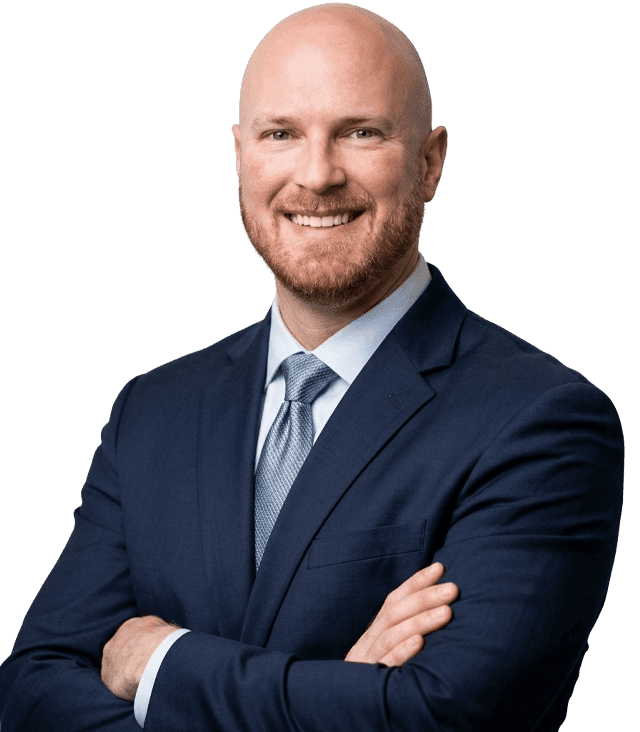
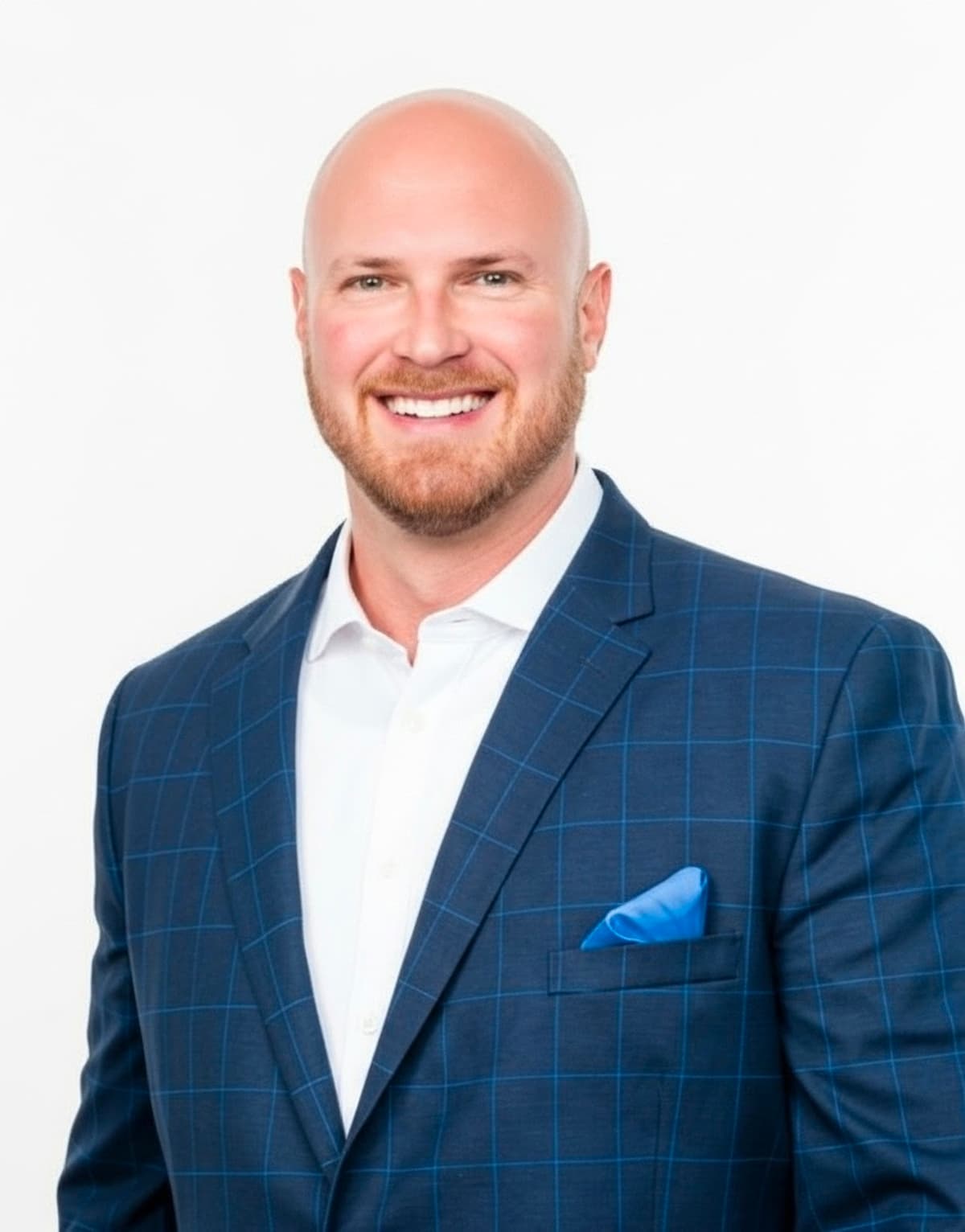
Brad Strawbridge
Founder & CEO · Forbes Business Council Member • RT3 & NRAP Board of Directors • GAF Master Elite® • CertainTeed ShingleMaster™ • NRCA Residential & Workforce Development Committees
Brad Strawbridge is the Founder and CEO of Capital City Roofing, bringing over a decade of hands-on expertise to the industry. He is an official member of the Forbes Business Council, the invitation-only community for vetted senior-level business leaders, and serves on the Boards of Directors of the Roofing Technology Think Tank (RT3) and the National Roofing Apprenticeship Program (NRAP). A member of the National Roofing Contractors Association (NRCA), Brad has been appointed to the NRCA Residential Roofing Committee and the NRCA Workforce Development Committee, helping set national standards for installation quality and the future of the roofing labor force. Under his leadership, Capital City Roofing has achieved elite certifications held by fewer than 1% of contractors nationwide.