
TPO vs EPDM vs PVC: Commercial Flat Roof Comparison
Comparing the three most popular commercial flat roofing systems.
Commercial flat roofing requires careful material selection based on your building's needs, climate, and budget. Whether your property is in the Atlanta metro, Nashville, or Charleston, understanding these three systems will help you make the right choice.
TPO (Thermoplastic Polyolefin)
The most popular commercial roofing membrane in America. Energy Star rated, heat-welded seams, reduces cooling costs by up to 30%.
EPDM (Ethylene Propylene Diene Monomer)
The workhorse of commercial roofing - a synthetic rubber membrane proven over 50+ years. Extremely durable and UV resistant.
PVC (Polyvinyl Chloride)
The premium option. Superior chemical resistance, ideal for restaurants and manufacturing facilities.
Cost Comparison
EPDM is the most affordable, followed by TPO, with PVC being the premium option.
Which Should You Choose?
Contact Capital City Roofing for a free commercial roof inspection and personalized recommendation. We serve commercial properties across Georgia, Tennessee, and South Carolina, including Alpharetta, Roswell, and Johns Creek.
Building a Data Center or Mission-Critical Facility?
Standard commercial single-ply specs don't apply at hyperscale or Tier III/IV facilities. Data centers are now consistently spec'd with 80-mil white TPO or PVC, redundant dual-membrane assemblies, FM Approved RoofNav assembly numbers, and ANSI/SPRI ES-1 edge metal, a different scope than the comparison above. See why hyperscale data centers spec 80-mil white TPO and our dedicated Mission Critical & Data Centers practice for the full spec sheet, FM Global details, and structured PM contract pricing at $0.03–$0.10/sf/year.
Lifecycle and Maintenance, Not Just Sticker Price
The membrane comparison above explains how TPO, EPDM, and PVC differ in chemistry, but the smarter lens for a facility owner is total lifecycle cost. A lower install price means little if seams fail early or the surface degrades under foot traffic and rooftop equipment. EPDM's reflective performance can be improved with coatings; TPO and PVC arrive reflective and rely on the integrity of their heat-welded seams; PVC's plasticizers resist grease and chemical exposure that would punish other membranes near kitchen exhaust or industrial vents. Matching the membrane to what your roof actually endures, from ponding water to chemical fallout, drives more value than chasing the cheapest square-foot number.
Maintenance discipline extends any of the three. Twice-yearly inspections, prompt resealing of penetrations and curbs, keeping drains and scuppers clear, and addressing punctures before water tracks under the membrane all protect the investment. Documenting that upkeep also matters at warranty time, since manufacturers expect evidence of reasonable care. For commercial properties across Atlanta and Marietta, a simple preventive-maintenance log frequently postpones a major capital expense by years.
Reroof, Recover, or Restore
Owners often assume a failing flat roof means a full tear-off, but that is only one of three paths. A recover layer over a structurally sound existing membrane can be appropriate when the deck is dry and code allows the additional layer. A fluid-applied restoration coating can renew a weathered but watertight surface and reset its service life at lower cost and disruption. A complete reroof becomes necessary when moisture has saturated the insulation or the deck itself is compromised. Choosing correctly requires verifying what lies beneath the surface, not guessing from the top.
That diagnosis is exactly what a professional commercial assessment provides. Our free inspection uses drone and photo documentation to map seams, penetrations, and moisture so the recommendation matches the roof's true condition. You can schedule a commercial roof evaluation or contact our commercial team to discuss whether your building is a candidate for restoration before committing to a full replacement.
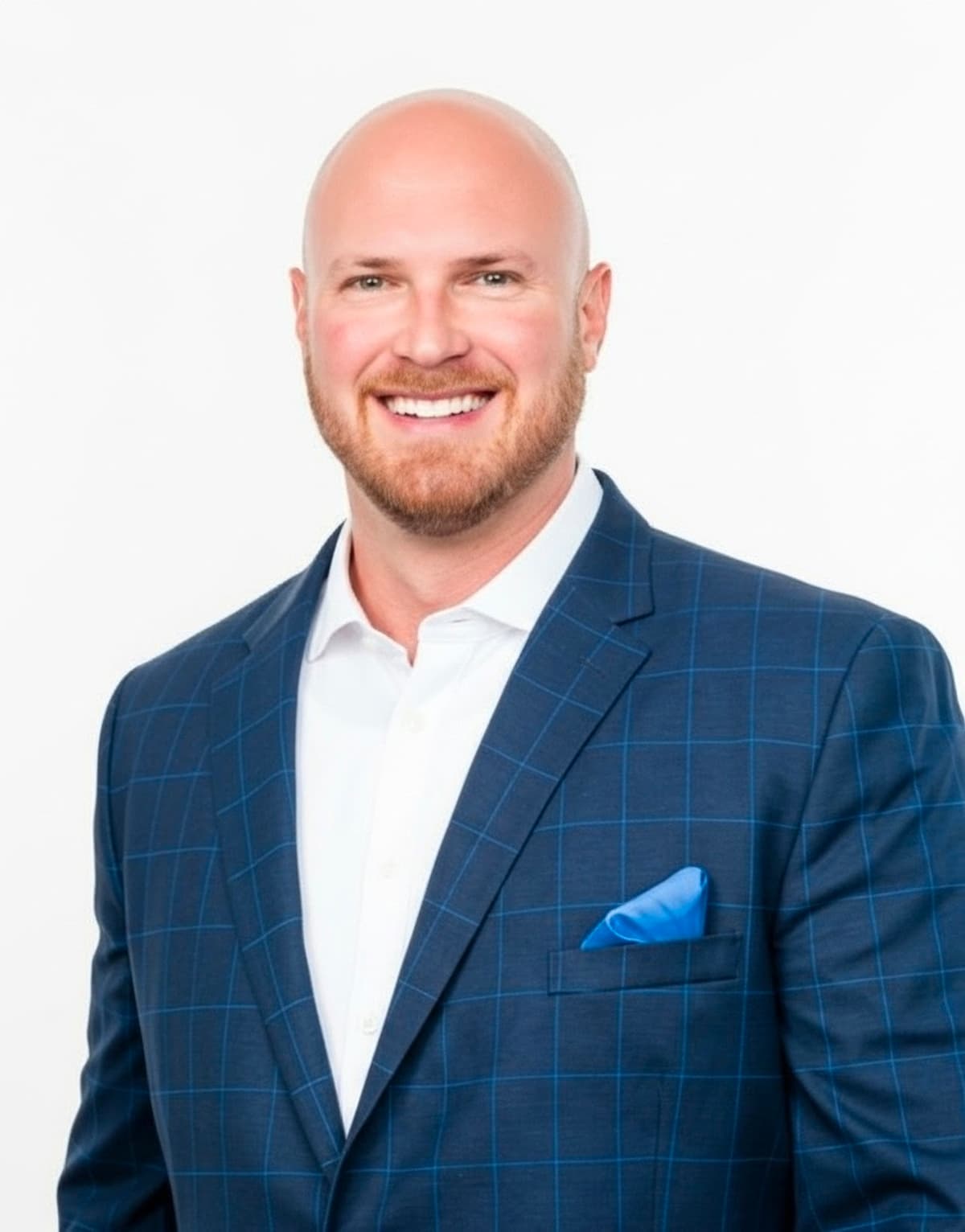
Brad Strawbridge
Founder & CEO · Forbes Business Council Member • RT3 & NRAP Board of Directors • GAF Master Elite® • CertainTeed ShingleMaster™ • NRCA Residential & Workforce Development Committees
Brad Strawbridge is the Founder and CEO of Capital City Roofing, bringing over a decade of hands-on expertise to the industry. He is an official member of the Forbes Business Council, the invitation-only community for vetted senior-level business leaders, and serves on the Boards of Directors of the Roofing Technology Think Tank (RT3) and the National Roofing Apprenticeship Program (NRAP). A member of the National Roofing Contractors Association (NRCA), Brad has been appointed to the NRCA Residential Roofing Committee and the NRCA Workforce Development Committee, helping set national standards for installation quality and the future of the roofing labor force. Under his leadership, Capital City Roofing has earned GAF Master Elite and CertainTeed ShingleMaster Premier, the top contractor credential from each manufacturer.