Working with Insurance Adjusters: What to Expect
Comprehensive guide to insurance adjuster interactions, expectations, and maximizing claim outcomes.
Understanding the adjuster's role and process helps Georgia homeowners navigate claims effectively.
The Adjuster's Role
Insurance adjusters work for the insurance company, assessing damage and determining coverage. While most are professional and fair, they represent the company's financial interests. Having your own expert present ensures balanced assessment and complete damage identification.
What to Expect During Inspection
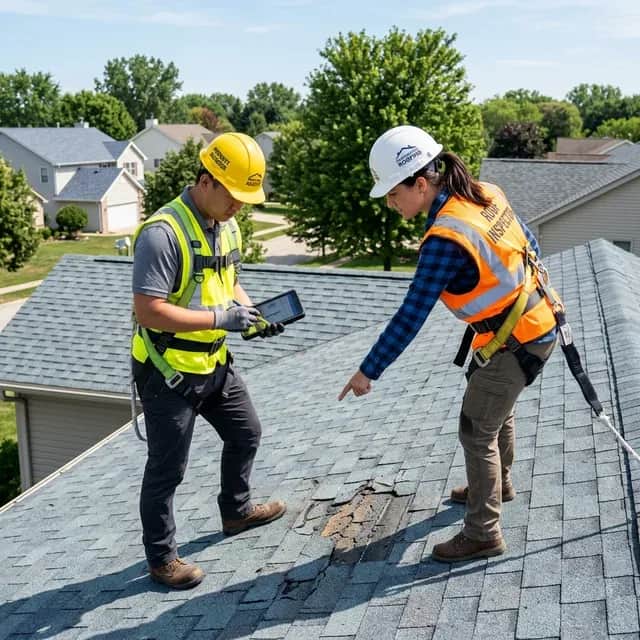
Adjusters typically schedule inspections within 3-7 days of claim filing. They'll examine your roof, take photos and measurements, and assess damage extent. Inspections usually take 30-60 minutes. Be present and have your contractor present to ensure all damage is identified.
Preparing for the Adjuster
Document all damage before the inspection. Have weather reports confirming the storm event. Provide your contractor's inspection report and BuilderLync documentation. Be factual and avoid exaggeration-let the evidence speak for itself.
Common Adjuster Tactics
Some adjusters may downplay damage severity, attribute damage to wear rather than storm impact, or miss collateral damage. Having Capital City Roofing present prevents these issues. Our expertise ensures fair, complete assessment.
After the Inspection
Adjusters typically provide estimates within 7-14 days. Review carefully with your contractor. If damage is missed, we file supplemental claims with additional documentation. Our coordination ensures you receive fair settlement for homeowners across Alpharetta, Johns Creek, Roswell, and four states. Read our tips for working with insurance adjusters or learn more about our insurance claims process.
What Adjusters Are Actually Looking For During a Roof Inspection
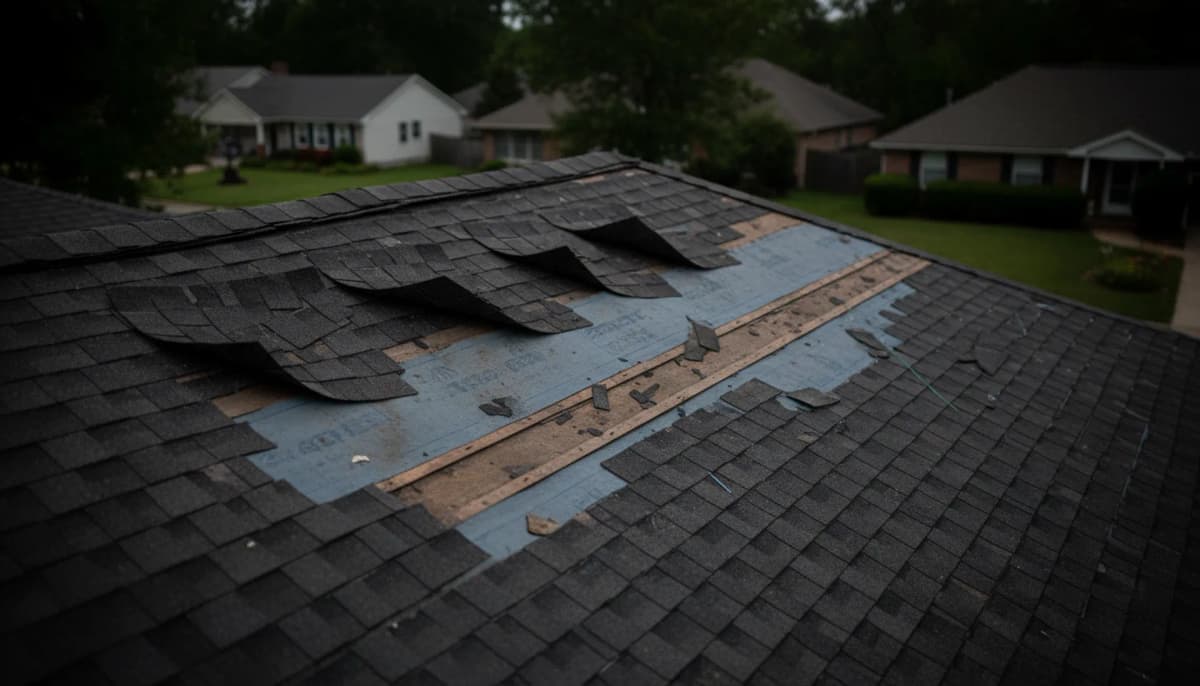
An insurance adjuster visiting your roof after a storm has a specific checklist, and understanding it helps you prepare. They are looking for functional damage, meaning damage that affects the roof's ability to perform its weather-shedding function. Cosmetic wear, normal aging, and pre-existing conditions are noted but typically excluded from coverage. The adjuster will photograph test squares, usually ten-by-ten-foot areas on multiple slopes, counting hail hits, measuring wind creases, and noting whether damage is on the face of the shingle or limited to edges and tabs.
The adjuster also evaluates collateral damage to determine if the event was widespread enough to justify a full replacement versus spot repairs. Damaged soft metals like vents, gutters, and pipe boots are strong supporting indicators because they confirm that the storm reached your property with enough force to cause roofing damage.
How a Contractor's Presence Changes the Outcome
Georgia law allows your contractor to meet with the adjuster during the inspection, and this meeting changes the dynamic significantly. A knowledgeable contractor can point out damage the adjuster might miss, explain why certain areas require specific repair methods, and discuss code upgrade requirements that affect the scope. Without a contractor present, the adjuster's scope stands unchallenged, and that initial scope is the baseline for everything that follows.
Capital City Roofing meets with adjusters as a standard part of our claim process, not as an upsell. Our team uses BuilderLync documentation prepared before the adjuster visit, so the conversation starts from a shared evidence base rather than competing impressions. The dual GAF Master Elite and CertainTeed ShingleMaster Premier credentials listed on our certifications page give the assessment weight with carriers who recognize manufacturer-level training. Start the process with a free 27-point inspection so your documentation is ready before the adjuster arrives.
Brad Strawbridge
Founder & CEO · Forbes Business Council Member • RT3 & NRAP Board of Directors • GAF Master Elite® • CertainTeed ShingleMaster™ • NRCA Residential & Workforce Development Committees
Brad Strawbridge is the Founder and CEO of Capital City Roofing, bringing over a decade of hands-on expertise to the industry. He is an official member of the Forbes Business Council, the invitation-only community for vetted senior-level business leaders, and serves on the Boards of Directors of the Roofing Technology Think Tank (RT3) and the National Roofing Apprenticeship Program (NRAP). A member of the National Roofing Contractors Association (NRCA), Brad has been appointed to the NRCA Residential Roofing Committee and the NRCA Workforce Development Committee, helping set national standards for installation quality and the future of the roofing labor force. Under his leadership, Capital City Roofing has earned GAF Master Elite and CertainTeed ShingleMaster Premier, the top contractor credential from each manufacturer.