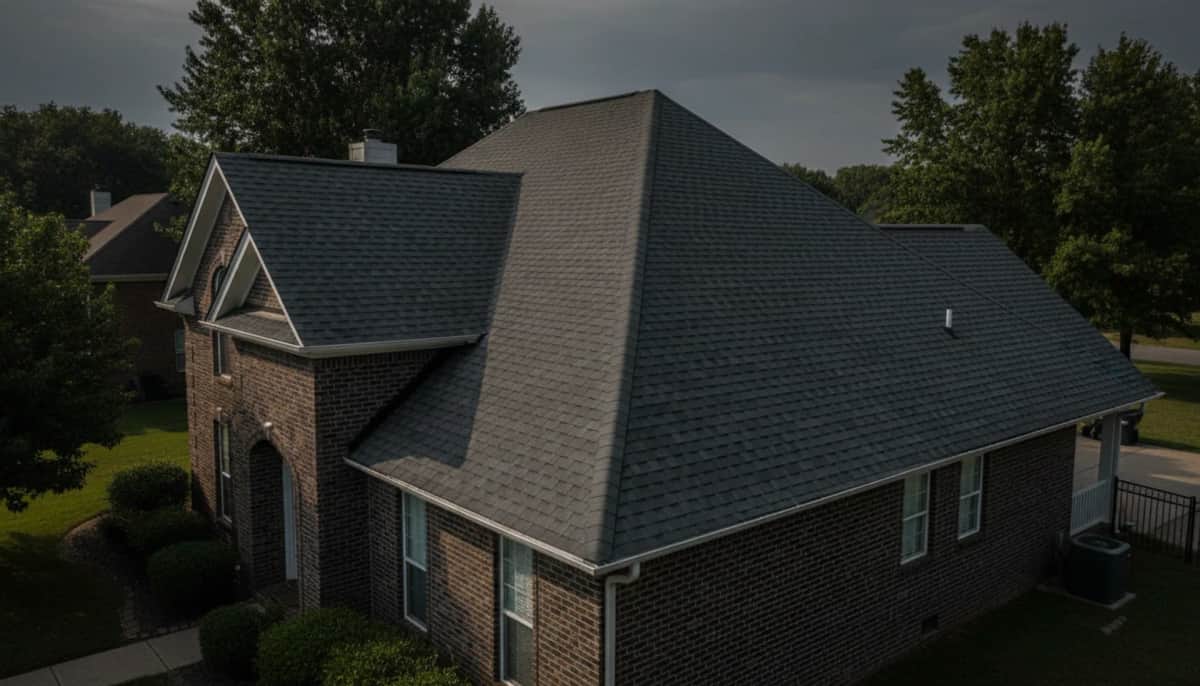
Navigating Roof Insurance Claims: A Step-by-Step Guide
Complete walkthrough of the roof insurance claim process from initial damage to final settlement.
Understanding the insurance claim process empowers Georgia homeowners to maximize their benefits and avoid common pitfalls.
Step 1: Report the Damage
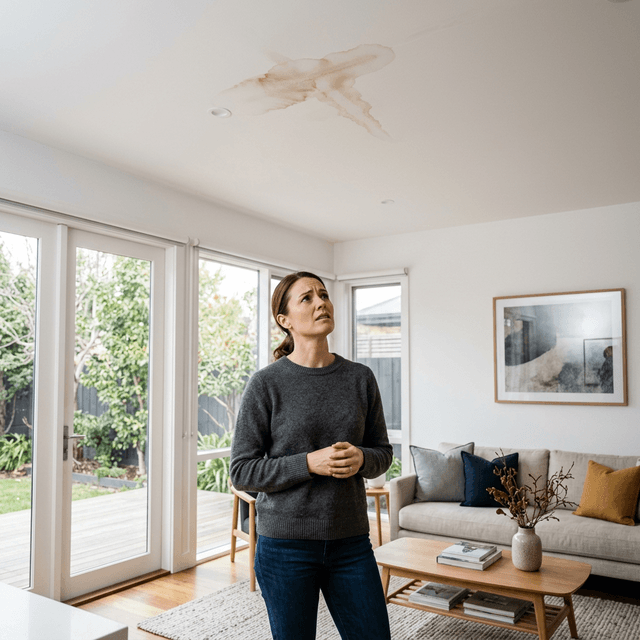
Contact your insurance company within 24-48 hours of discovering damage. Provide your policy number, describe the damage briefly, and request claim number assignment. Ask about your deductible and coverage limits. Most Georgia policies have 1-2 year claim filing windows, but prompt reporting prevents coverage disputes.
Step 2: Document Everything
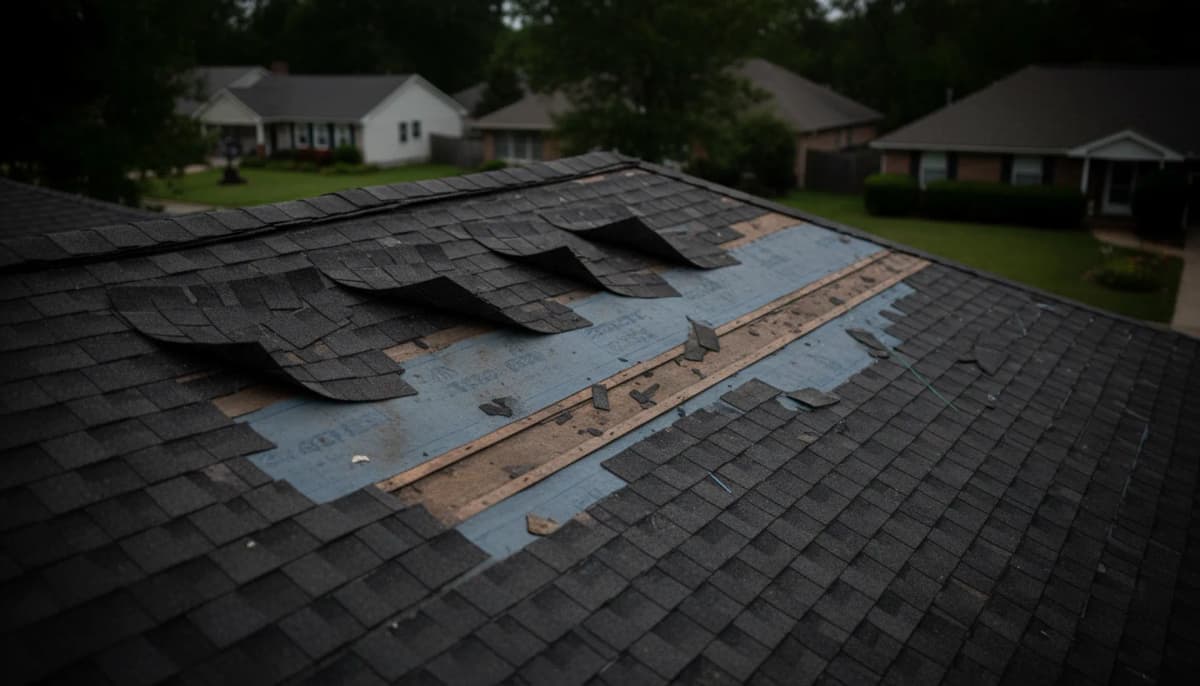
Take comprehensive photos and videos before any temporary repairs. Document the damage extent, date and time, and weather conditions if known. Save all receipts for emergency repairs or temporary housing. Capital City Roofing provides professional BuilderLync documentation that strengthens your claim significantly.
Step 3: Schedule Professional Inspection
Have a professional roofing contractor inspect your roof before the adjuster arrives. This ensures you understand the full damage extent and have independent documentation. Our free inspections include detailed BuilderLync reports that insurance companies trust.
Step 4: Meet the Adjuster
Be present when the insurance adjuster inspects your property. Having your contractor present ensures all damage is identified and properly assessed. Capital City Roofing coordinates directly with adjusters, pointing out damage and ensuring complete documentation.
Step 5: Review the Estimate
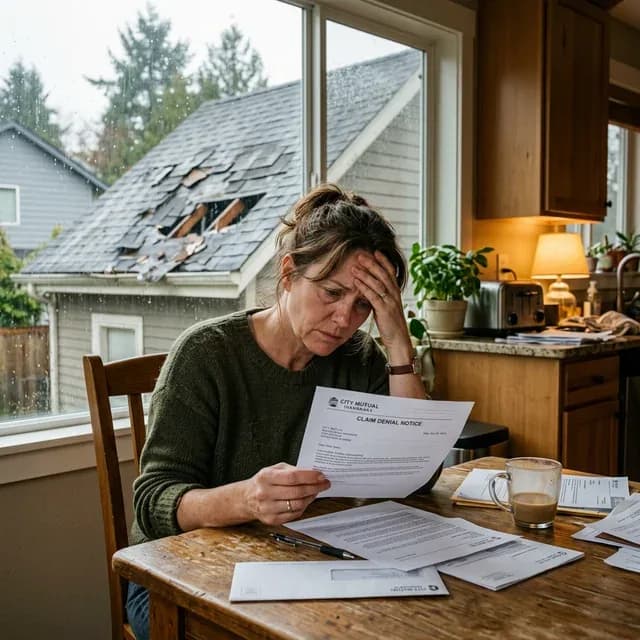
Insurance companies typically provide estimates within 7-14 days. Review carefully for completeness. If damage is missed, we file supplemental claims with additional documentation. Our expertise ensures you receive full benefits under your policy.
Step 6: Approve and Schedule Repairs
Once the claim is approved and you've selected your contractor, repairs can begin. We handle all coordination, ensuring work meets insurance requirements and manufacturer specifications. Visit our storm damage services to get started.
How to Use This Guidance Before You Schedule Work
The most useful roofing content should help you make a better decision before a contractor is standing in your driveway. For navigating roof insurance claims: a step-by-step guide, the right next step is to separate visible symptoms from the full condition of the roofing system. Shingle wear, soft metal damage, lifted seams, stained ceilings, clogged valleys, aging pipe boots, and poor ventilation can point to different causes. A short walkthrough may catch the obvious issue, but a documented inspection gives you a stronger basis for deciding whether repair, replacement, maintenance, or insurance documentation is the correct path.
Capital City Roofing looks at storm documentation, carrier communication, scope review, code items, and claim-ready inspection photos. That matters because a roof is not just the surface material. It is a full assembly that includes decking, underlayment, flashing, fasteners, penetrations, ventilation, gutters, drainage paths, and the workmanship details that decide whether the system performs through Georgia heat, wind, hail, and heavy rain. A beautiful roof can still fail early if the small details are ignored. A modest repair can also outperform a rushed replacement when the inspection proves the system still has service life left.
Homeowners, HOA boards, property managers, and commercial owners should ask for clear photos, plain-language findings, manufacturer-backed options, and a written scope before authorizing work. You should know what is urgent, what can be monitored, what affects warranty coverage, and what documentation may be needed if storm damage or an insurance claim is involved. You should also understand the difference between cosmetic wear, functional damage, and installation defects.
Our recommended approach is simple: document first, decide second. Start with a roof inspection that produces usable evidence, not a vague opinion. Review the findings with a certified roofing professional. Compare repair and replacement paths based on risk, budget, timing, and long-term value. If the roof needs work, choose a contractor with verified manufacturer credentials, local references, safety discipline, and a process that keeps you informed from the first call through final cleanup.
Capital City Roofing serves residential, commercial, and multifamily clients across metro Atlanta with GAF Master Elite, GAF Commercial Certified, CertainTeed ShingleMaster Premier, GenFlex Commercial Certified, Google Guaranteed, NRCA Member, RT3 Member, and Roofing Alliance Guarantor Member credentials. If this topic sounds like the situation you are facing, schedule a free 27-point inspection or contact the team for a direct recommendation based on the actual condition of your roof.
Brad Strawbridge
Founder & CEO · GAF Master Elite® • CertainTeed ShingleMaster™ • NRCA Residential & Workforce Development Committees
Brad Strawbridge is the Founder and CEO of Capital City Roofing, bringing over a decade of hands-on expertise to the industry. A member of the National Roofing Contractors Association (NRCA), Brad has been appointed to the NRCA Residential Roofing Committee and the NRCA Workforce Development Committee, helping set national standards for installation quality and the future of the roofing labor force. Under his leadership, Capital City Roofing has achieved elite certifications held by fewer than 1% of contractors nationwide.