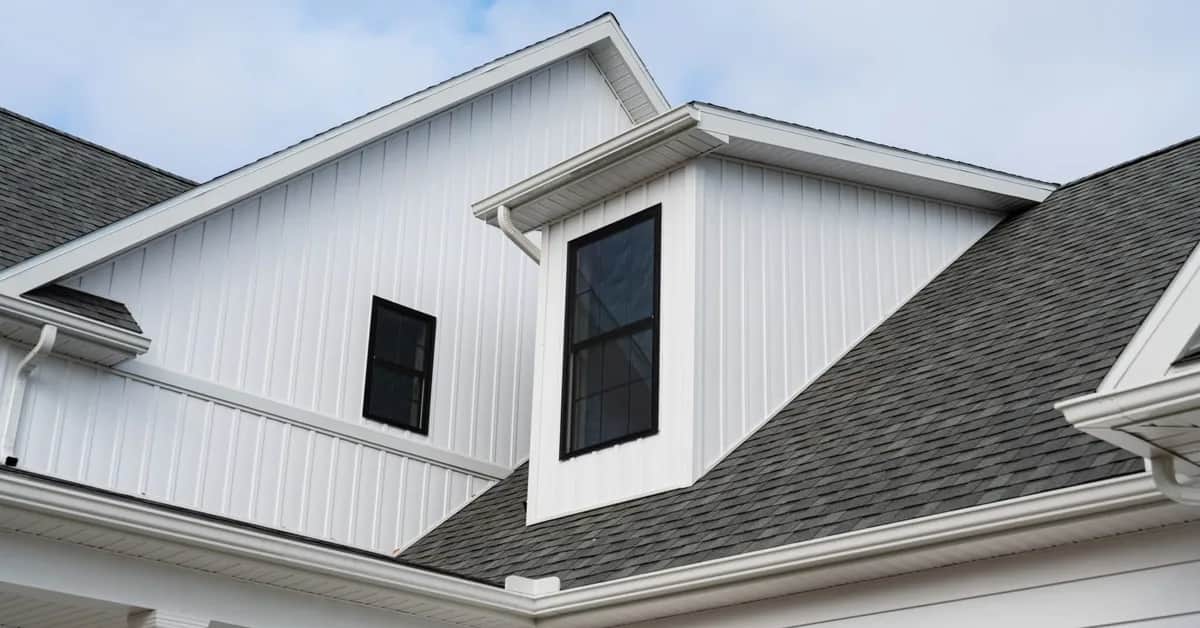
Emergency Roof Tarping: When and Why You Need It
Complete guide to emergency roof tarping services, insurance coverage, and preventing secondary water damage.
Emergency roof tarping is a critical service that prevents secondary water damage after storm events.
When Tarping Is Necessary
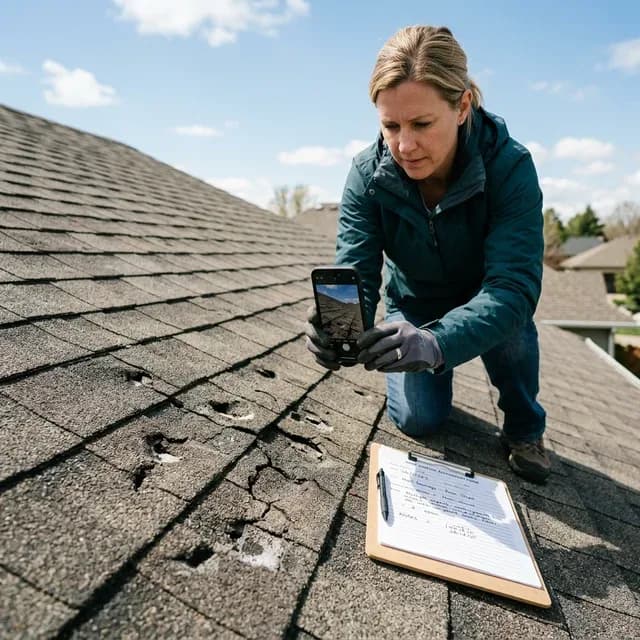
Immediate tarping is required when storm damage creates openings in your roof that expose the interior to weather. This includes missing shingles exposing underlayment or decking, holes from fallen tree limbs or debris, damaged flashing allowing water intrusion, or torn sections from high winds. Tarping prevents rain from causing additional damage to insulation, ceilings, walls, and belongings.
The Tarping Process
Professional tarping involves securing heavy-duty waterproof tarps over damaged areas using proper fastening techniques that don't create additional roof penetrations. Capital City Roofing's emergency crews arrive within 2-4 hours throughout Georgia, assess damage extent, install professional-grade tarps, and document all work for insurance claims.
Insurance Coverage for Tarping
Emergency tarping costs are covered under most Georgia homeowners insurance policies as part of preventing further damage-a requirement in most policies. We document tarping services with detailed invoices and photos. These costs are included in your overall claim, not charged separately against your deductible.
Next Steps After Tarping
Once your roof is secured, we conduct comprehensive inspections, document all damage with BuilderLync technology, coordinate with your insurance adjuster, and schedule permanent repairs. Learn about our emergency roof tarping services or call 470-ROOF-ATL for 24/7 emergency response.
Why Speed Matters More Than Permanence in an Emergency
The primary purpose of an emergency tarp is buying time, not replacing a roof. Every hour an opening remains exposed after a storm, water migrates deeper into the building envelope. What starts as a wet ceiling in the first hour becomes saturated insulation by hour four and subfloor damage by the next morning. A properly installed tarp stops that clock immediately, converting a five-figure interior restoration into a manageable roofing repair.
Professional tarping is not the same as throwing a blue tarp from the hardware store over a hole. A secure installation uses furring strips, concrete screws into solid framing, and poly sheeting rated for UV exposure, anchored so wind cannot lift the edges. An improperly secured tarp flaps loose in the next gust, pulls fasteners through compromised decking, and can actually worsen the opening it was meant to protect. Speed matters, but so does the method.
What Happens Between the Tarp and the Permanent Repair
Once the tarp is up and your home is dry, the claim process begins in parallel with repair planning. Capital City Roofing documents the emergency response with BuilderLync, capturing dated photos of the damage before the tarp goes on and the completed tarp installation afterward. That record becomes part of your insurance file and demonstrates that you took immediate steps to mitigate further loss, which most Georgia homeowner policies require.
The permanent repair timeline depends on the scope of damage and material availability. A handful of missing shingles can often be addressed within days. A structural breach from a fallen limb may require engineering assessment, permitting, and decking replacement before new roofing goes on. Either way, the tarp holds the line while those steps proceed in the right order. Schedule a free 27-point inspection to get the full damage picture documented, and reach out through the contact page if you need emergency response now.
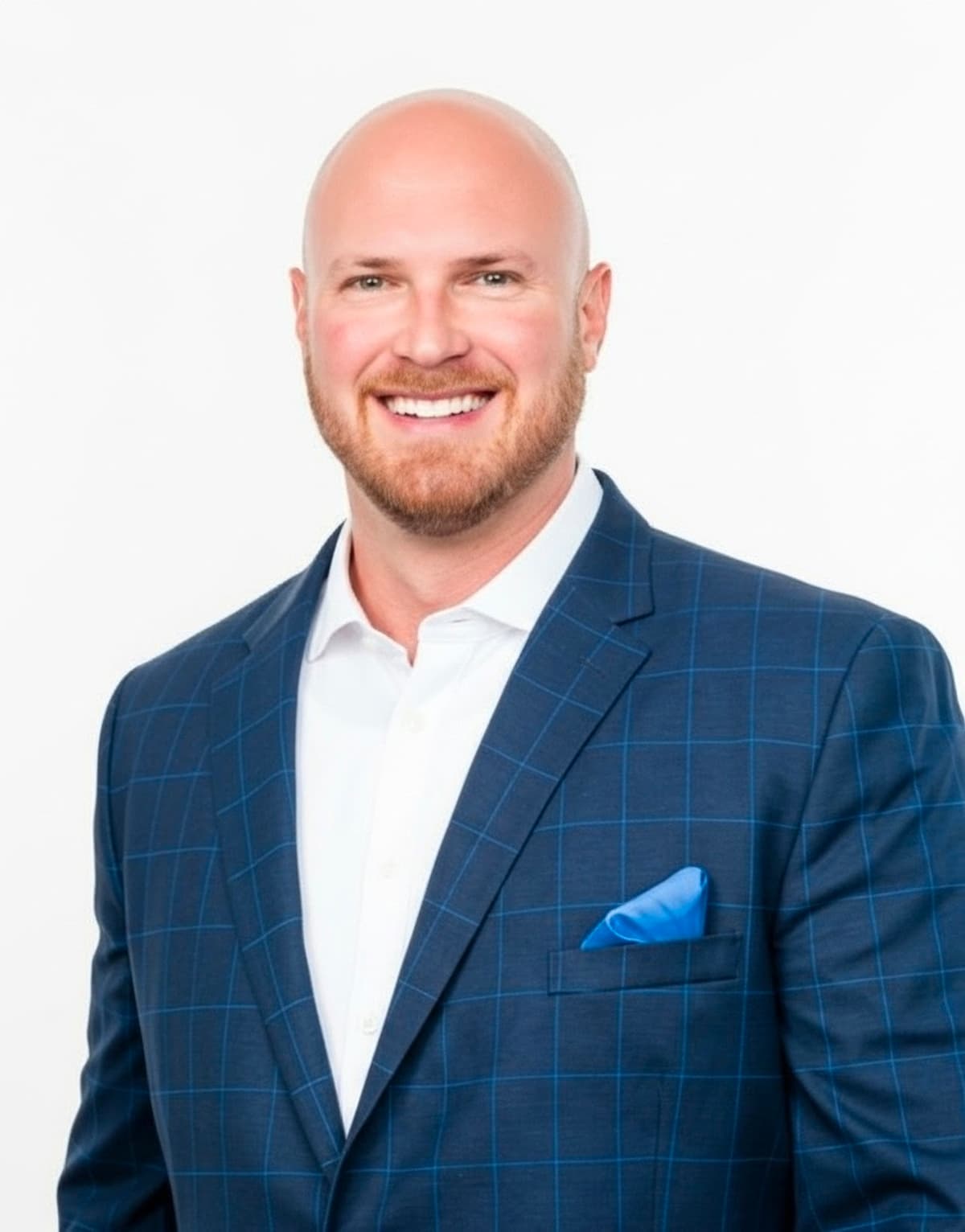
Brad Strawbridge
Founder & CEO · Forbes Business Council Member • RT3 & NRAP Board of Directors • GAF Master Elite® • CertainTeed ShingleMaster™ • NRCA Residential & Workforce Development Committees
Brad Strawbridge is the Founder and CEO of Capital City Roofing, bringing over a decade of hands-on expertise to the industry. He is an official member of the Forbes Business Council, the invitation-only community for vetted senior-level business leaders, and serves on the Boards of Directors of the Roofing Technology Think Tank (RT3) and the National Roofing Apprenticeship Program (NRAP). A member of the National Roofing Contractors Association (NRCA), Brad has been appointed to the NRCA Residential Roofing Committee and the NRCA Workforce Development Committee, helping set national standards for installation quality and the future of the roofing labor force. Under his leadership, Capital City Roofing has earned GAF Master Elite and CertainTeed ShingleMaster Premier, the top contractor credential from each manufacturer.