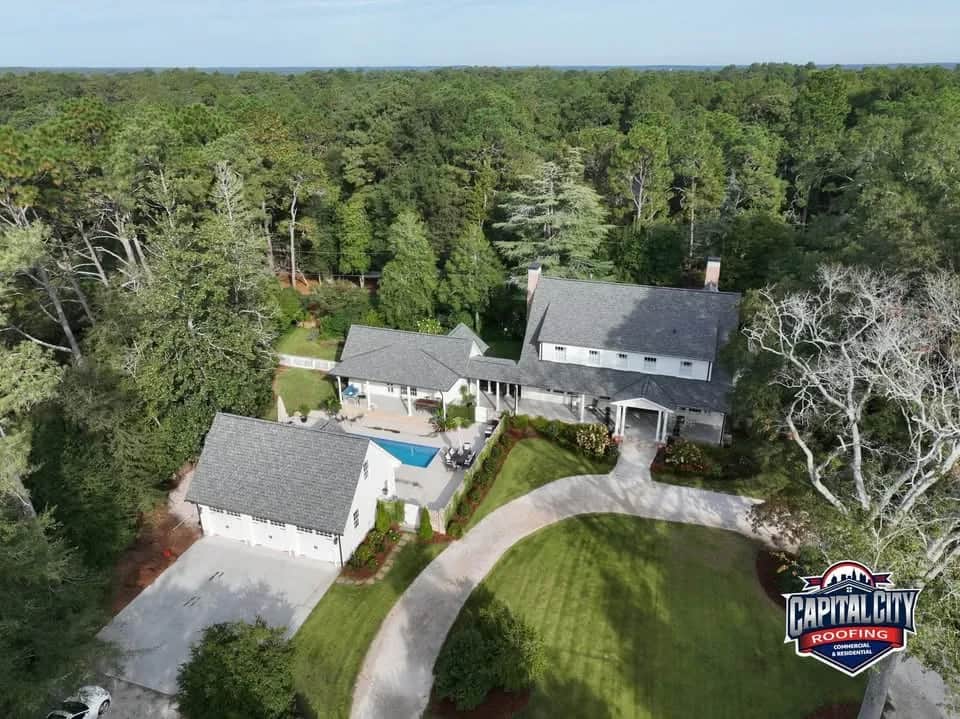
Post-Storm Roof Inspection: What to Look For
Comprehensive guide to post-storm roof assessment, damage documentation, and professional inspection coordination.
After severe weather, proper roof inspection is essential for identifying damage and protecting your insurance claim rights.
Immediate Safety Assessment
Before inspecting your property, ensure the area is safe. Watch for downed power lines, structural instability, and gas leaks. Never walk on a damaged roof-this creates safety risks and can void warranties. Inspect from the ground using binoculars if possible.
What to Look For
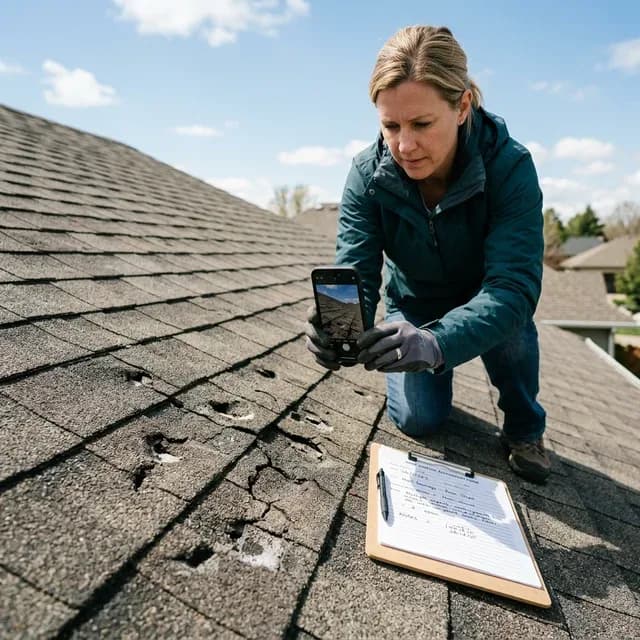
Check for missing, lifted, or damaged shingles, especially along roof edges and peaks. Look for dented or damaged flashing around chimneys, vents, and skylights. Inspect gutters for separation, denting, or debris accumulation. Check for fallen tree limbs or debris on the roof. Interior signs include water stains on ceilings, increased attic moisture, or daylight visible through roof boards.
Documentation Best Practices
Take clear photos and videos from multiple angles, including close-ups of damage and wide shots showing context. Document the date and time of inspection. Note weather conditions during the storm if known. Save all documentation for insurance claims. Capital City Roofing's BuilderLync technology provides professional-grade documentation that insurance companies trust.
Professional Inspection Timing
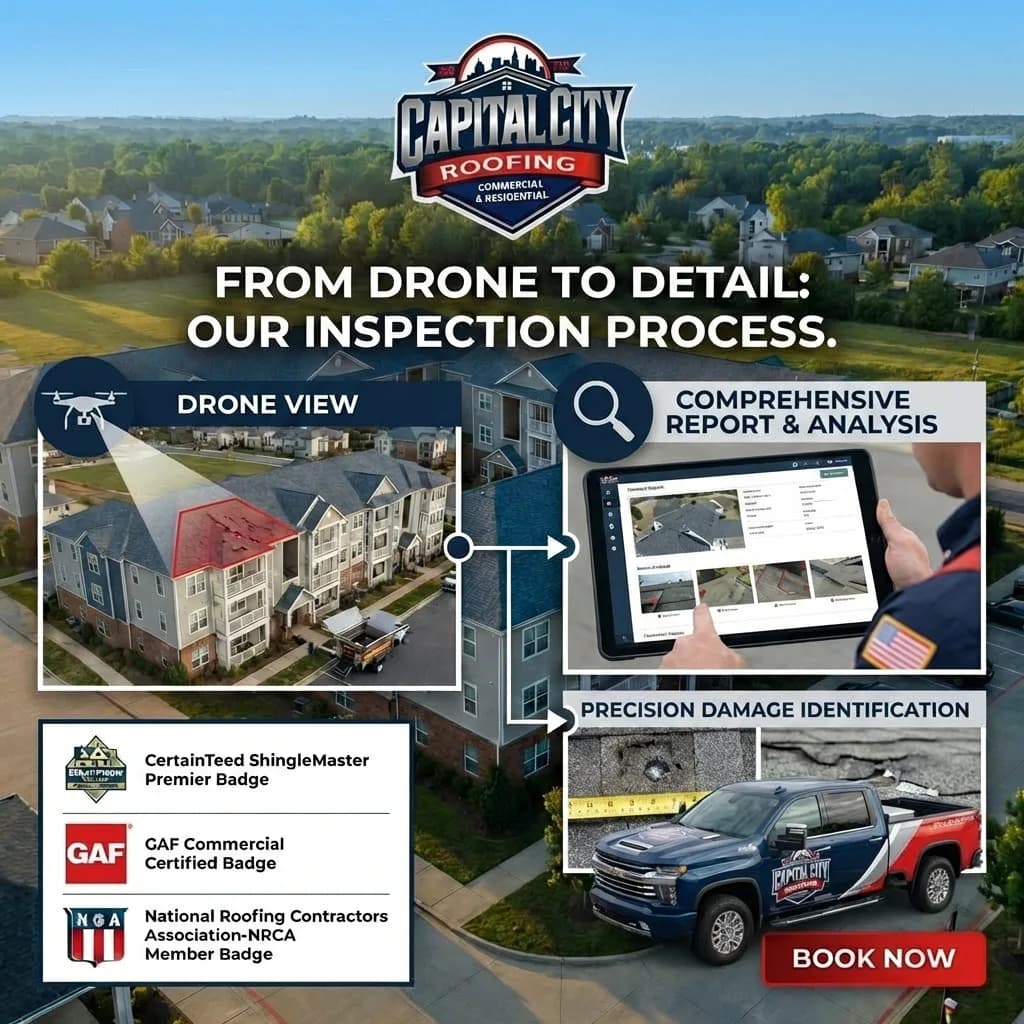
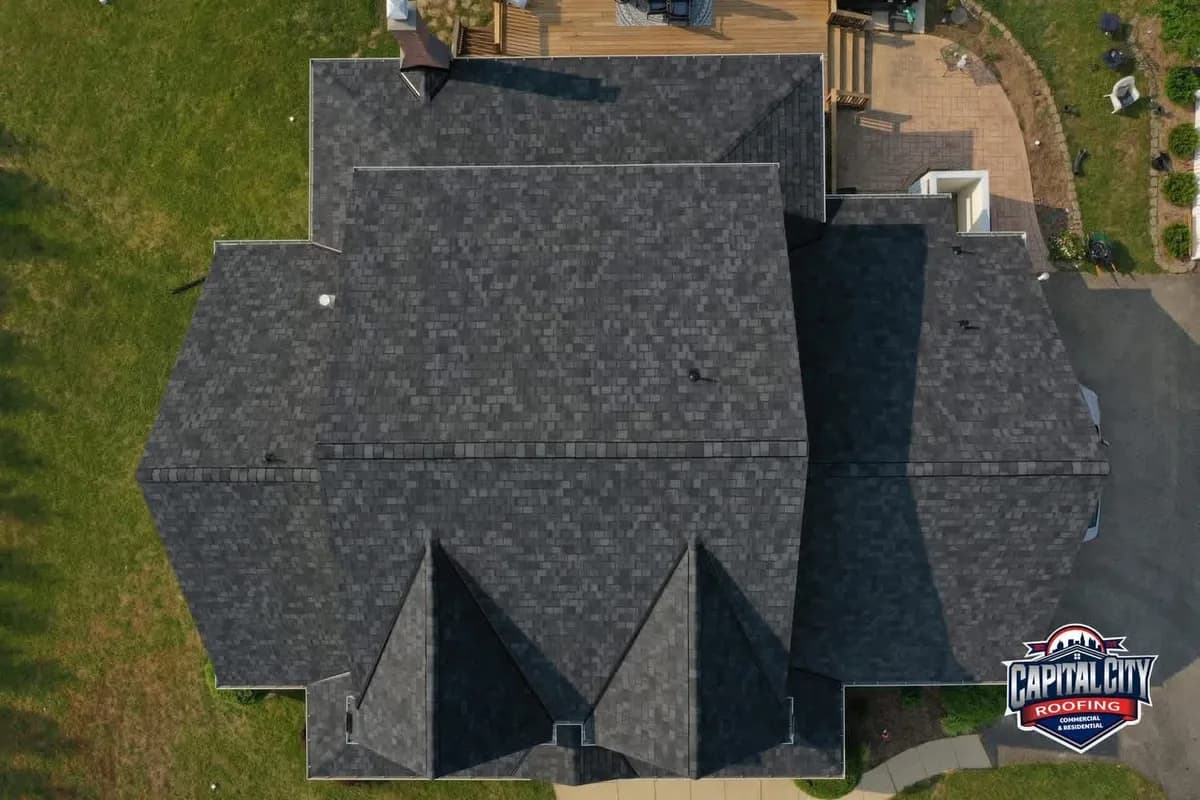
Schedule professional inspection within 24-48 hours after severe weather. Early inspection identifies damage before additional weather events cause secondary issues. Our free storm damage inspections include drone photography, detailed damage mapping, and comprehensive BuilderLync reports. Schedule a professional storm roof inspection or learn more about our storm damage services.
Ground-Level Indicators That Signal Roof Damage Above
Not all storm damage announces itself with a visible hole or a waterfall through the ceiling. The first signs often appear at ground level: granule buildup in gutter downspout splash blocks, dented aluminum on HVAC condensers or mailboxes, cracked vinyl siding on the windward side of the house, or fresh dings on a car that was parked in the driveway during the storm. These ground-level indicators confirm that damaging hail or wind reached your property, which strengthens the case for a thorough roof inspection even if nothing looks wrong from the street.
Inside the house, check the attic first. On a bright day, look for pinpoints of daylight that were not there before, dampness on the underside of the decking, or dust patterns that suggest debris fell from above. Ceiling stains may not appear for days or weeks after a storm, so an attic check catches leaks early before they saturate insulation and migrate to interior finishes.
When to Call a Professional vs. Waiting
Timing matters for both safety and claims. Walking a storm-damaged roof without proper equipment risks personal injury and can worsen compromised areas. A professional inspector with drone capability can assess every slope, valley, and penetration without adding foot traffic to vulnerable surfaces. The inspection should happen within days of the event, not weeks, because subsequent weather can obscure the original damage pattern and make it harder for an adjuster to attribute findings to a specific storm.
Capital City Roofing's free 27-point inspection covers the full roofing assembly, from ridge to gutter, with BuilderLync-documented findings you can share directly with your insurance carrier. Credentials backing every inspection are listed on the certifications page. If your neighborhood was hit, schedule the inspection before the next rain makes the damage harder to isolate.
Brad Strawbridge
Founder & CEO · Forbes Business Council Member • RT3 & NRAP Board of Directors • GAF Master Elite® • CertainTeed ShingleMaster™ • NRCA Residential & Workforce Development Committees
Brad Strawbridge is the Founder and CEO of Capital City Roofing, bringing over a decade of hands-on expertise to the industry. He is an official member of the Forbes Business Council, the invitation-only community for vetted senior-level business leaders, and serves on the Boards of Directors of the Roofing Technology Think Tank (RT3) and the National Roofing Apprenticeship Program (NRAP). A member of the National Roofing Contractors Association (NRCA), Brad has been appointed to the NRCA Residential Roofing Committee and the NRCA Workforce Development Committee, helping set national standards for installation quality and the future of the roofing labor force. Under his leadership, Capital City Roofing has earned GAF Master Elite and CertainTeed ShingleMaster Premier, the top contractor credential from each manufacturer.