Storm Damage Documentation for Insurance Claims

Professional techniques for documenting storm damage to maximize insurance claim approval and settlement.
Proper documentation is the difference between claim approval and denial, complete settlement and underpayment.
Immediate Documentation Steps
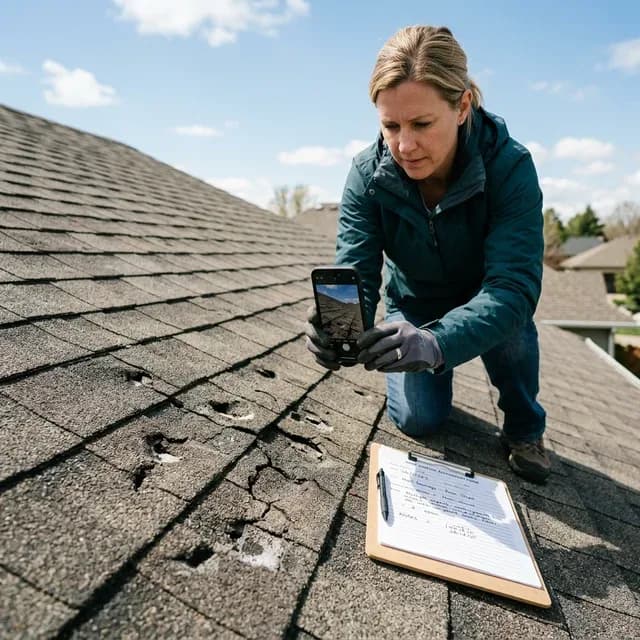
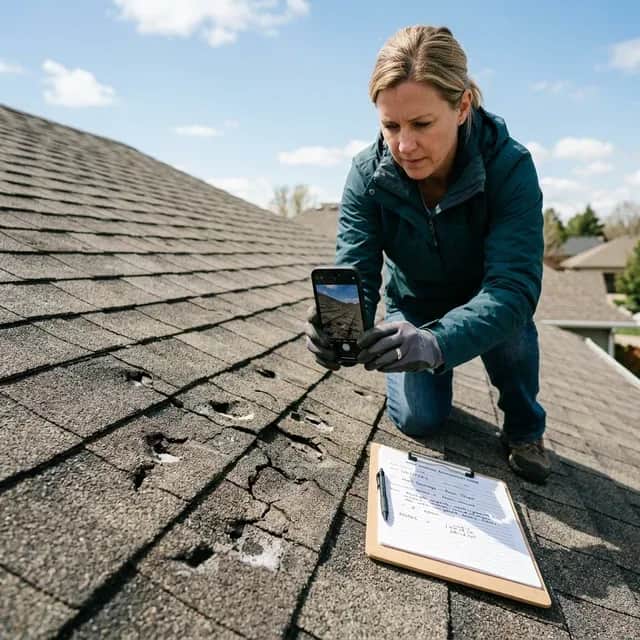
After severe weather, document damage as soon as it's safe. Take clear photos from multiple angles, including wide shots showing context and close-ups of specific damage. Record video walkthroughs of damaged areas. Note the date, time, and weather conditions. Save weather reports confirming the storm event.
What to Document
Photograph all roof damage including missing or damaged shingles, damaged flashing and vents, gutter damage, and debris impact points. Document interior damage such as water stains, ceiling damage, and wet insulation. Capture collateral damage to siding, windows, and landscaping. Keep all documentation organized by date and location.
BuilderLync Technology Advantage
Capital City Roofing uses BuilderLync technology to create professional-grade documentation that insurance companies trust implicitly. Our reports include precise measurements, impact counts, damage mapping, and Xactimate estimates that match adjuster software. This technology-driven approach is what we bring to every assisted claim.
Common Documentation Mistakes
Avoid incomplete photo coverage, poor quality images, missing context shots, undocumented interior damage, and delayed documentation. Professional documentation prevents these issues and strengthens your claim significantly.
Working with Professionals
Our free storm damage inspections include comprehensive BuilderLync documentation, coordination with insurance adjusters, supplement filing for missed damage, and complete claim management. Learn how roof insurance claims work to get started.
Building an Insurance File That Survives Scrutiny
The difference between a smooth claim and a disputed one almost always traces back to documentation quality. Adjusters review hundreds of claims after a regional storm event, and the files that move fastest are the ones with clear, dated photos showing baseline condition before the storm, damage after the event, and a written scope that ties each line item to a specific finding. Vague descriptions like "roof damage from storm" invite questions; precise descriptions like "seven granule-loss impacts on the south-facing slope consistent with 1.25-inch hail" close them.
Start documenting before damage occurs. Annual or semi-annual photos of your roof from multiple angles create a baseline that proves damage is new rather than pre-existing. Date-stamped images from your phone are sufficient. Include shots of your gutters, flashing details, and the condition of pipe boots and vents, because these components are often where adjusters find enough ambiguity to reduce a scope.
What Professional Documentation Adds to Your Claim
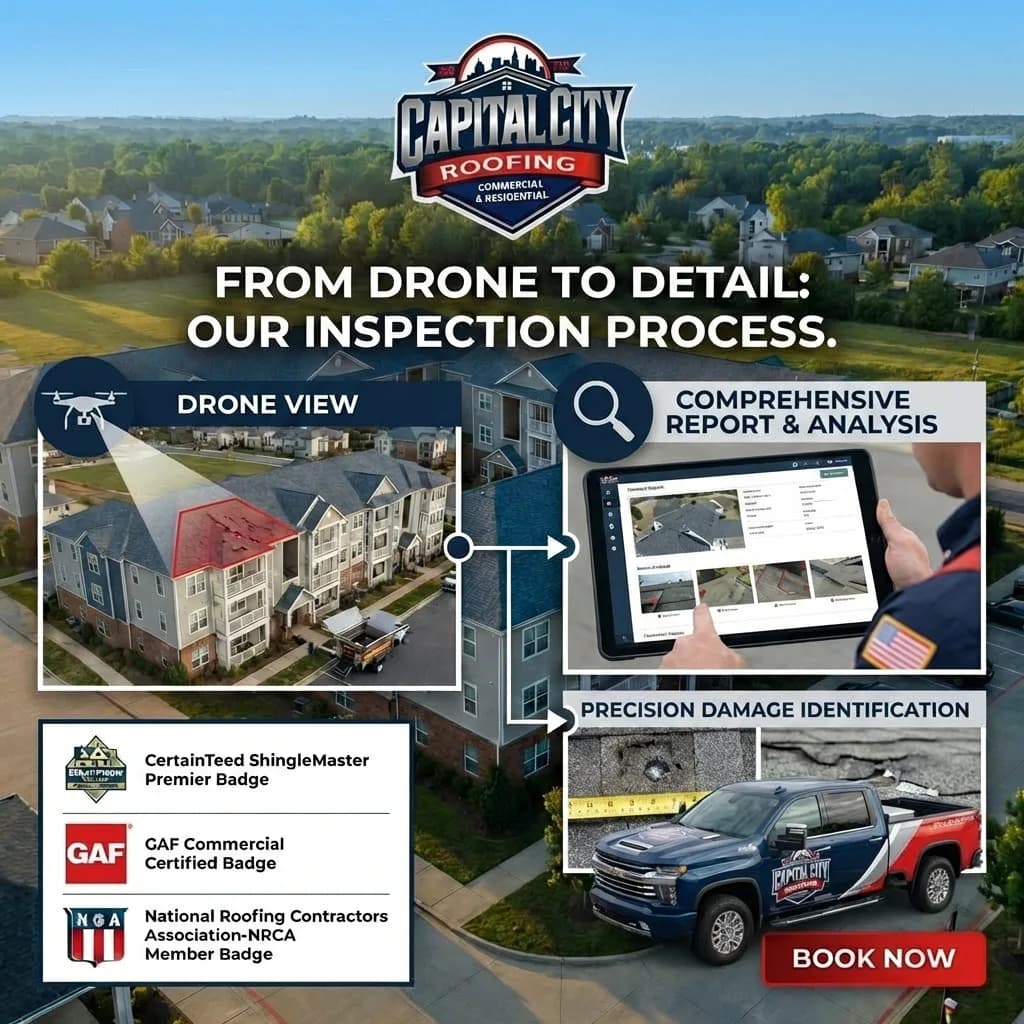
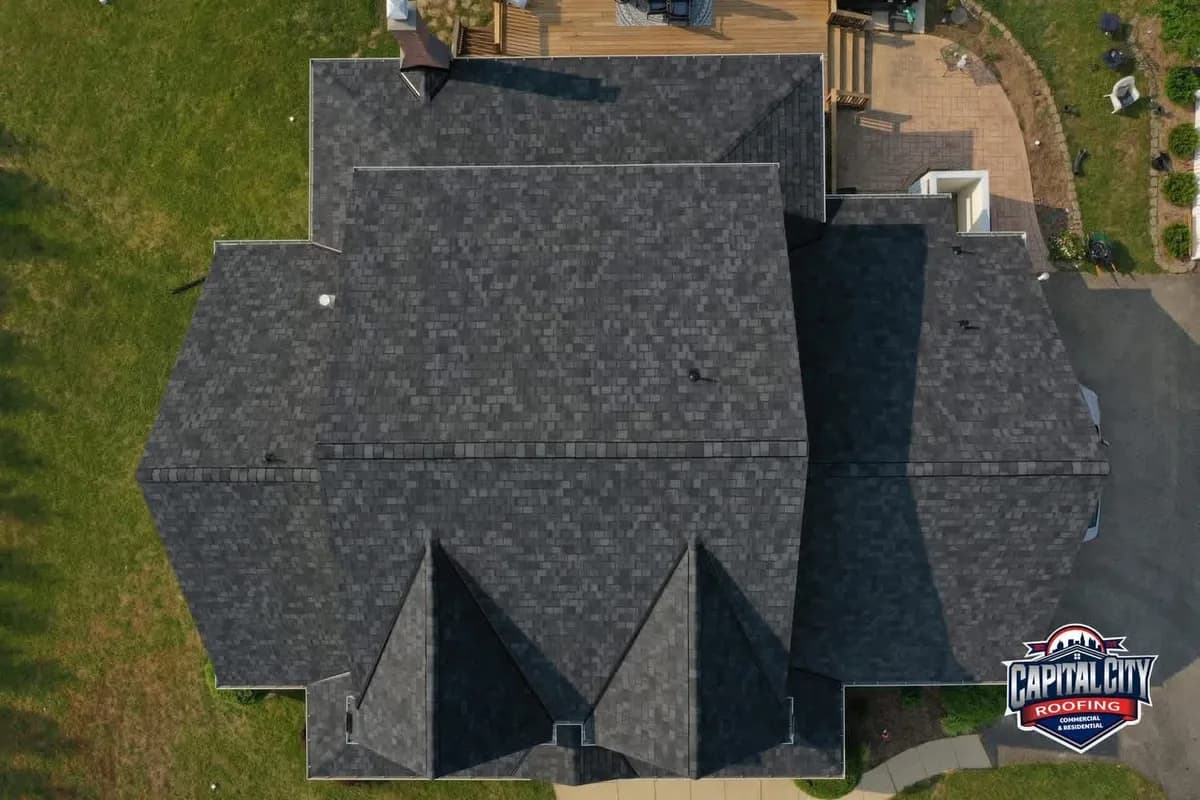
A homeowner's photos establish the timeline. Professional documentation establishes the technical scope. Capital City Roofing's BuilderLync platform captures drone imagery, close-up damage details, measurements, and material specifications in a single geo-tagged report that an adjuster can cross-reference against their own findings. When both sides are working from the same high-resolution evidence, disputes shrink and supplement negotiations become conversations about line items rather than arguments about whether damage exists.
The inspection itself takes less time than most homeowners expect and costs nothing. Our free 27-point inspection produces the kind of documentation that insurance adjusters trust because it is thorough, consistent, and backed by manufacturer-level credentials detailed on the certifications page. If you have experienced a recent storm, get the damage documented before the next rain event compounds the scope.
Brad Strawbridge
Founder & CEO · Forbes Business Council Member • RT3 & NRAP Board of Directors • GAF Master Elite® • CertainTeed ShingleMaster™ • NRCA Residential & Workforce Development Committees
Brad Strawbridge is the Founder and CEO of Capital City Roofing, bringing over a decade of hands-on expertise to the industry. He is an official member of the Forbes Business Council, the invitation-only community for vetted senior-level business leaders, and serves on the Boards of Directors of the Roofing Technology Think Tank (RT3) and the National Roofing Apprenticeship Program (NRAP). A member of the National Roofing Contractors Association (NRCA), Brad has been appointed to the NRCA Residential Roofing Committee and the NRCA Workforce Development Committee, helping set national standards for installation quality and the future of the roofing labor force. Under his leadership, Capital City Roofing has earned GAF Master Elite and CertainTeed ShingleMaster Premier, the top contractor credential from each manufacturer.