Wind Damage to Roofs: What Georgia Homeowners Need to Know
Comprehensive guide to wind damage identification, insurance claims, and professional repair services for Georgia homeowners.
Wind damage is one of the most common roofing issues in Georgia, affecting thousands of homes annually across communities like Alpharetta, Johns Creek, Roswell, and Dunwoody.
Understanding Wind Damage Patterns
Georgia experiences straight-line winds, tornadic winds, and hurricane-force winds. Straight-line winds from thunderstorms commonly reach 60-80 mph, causing lifted shingles and damaged flashing. Each wind type creates distinct damage patterns that professional inspectors recognize immediately.
Common Wind Damage Signs
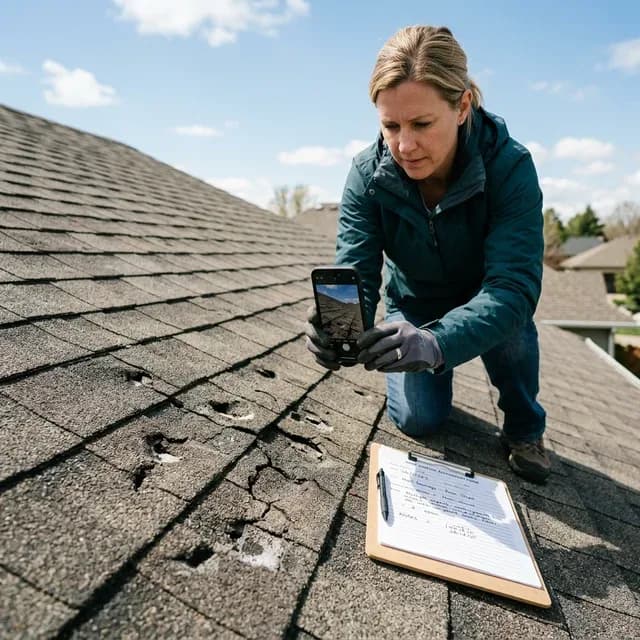
Look for missing or lifted shingles, especially along roof edges and ridges. Damaged or missing ridge caps are extremely common after high winds. Check for torn or lifted flashing around chimneys, vents, and skylights. Interior signs include water stains after rain.
Insurance Coverage
Most Georgia homeowners policies cover wind damage under dwelling coverage. Capital City Roofing coordinates with insurance adjusters to ensure complete damage assessment. Our BuilderLync documentation provides irrefutable evidence for claims. We serve homeowners across Georgia, Tennessee, and South Carolina.
Professional Inspection
Wind damage often affects areas not visible from the ground. Our free wind damage inspections include comprehensive BuilderLync reports. We serve homeowners in Suwanee, Duluth, Milton, and the entire Atlanta metro. Learn more about our wind damage roofing repair solutions, storm damage services, or our insurance claims process.
Why Wind Damage Hides in Plain Sight
The trouble with wind is that it rarely tears a roof apart in one obvious place. More often it loosens the adhesive seal strip beneath each shingle, leaving tabs that look fine from the driveway but lift freely in the next gust. Once that seal breaks, wind-driven rain works underneath, and the underlayment and decking begin to take on moisture long before a ceiling stain appears. This is why a roof can pass a casual glance yet still be compromised after a storm rolls through Roswell or Sandy Springs.
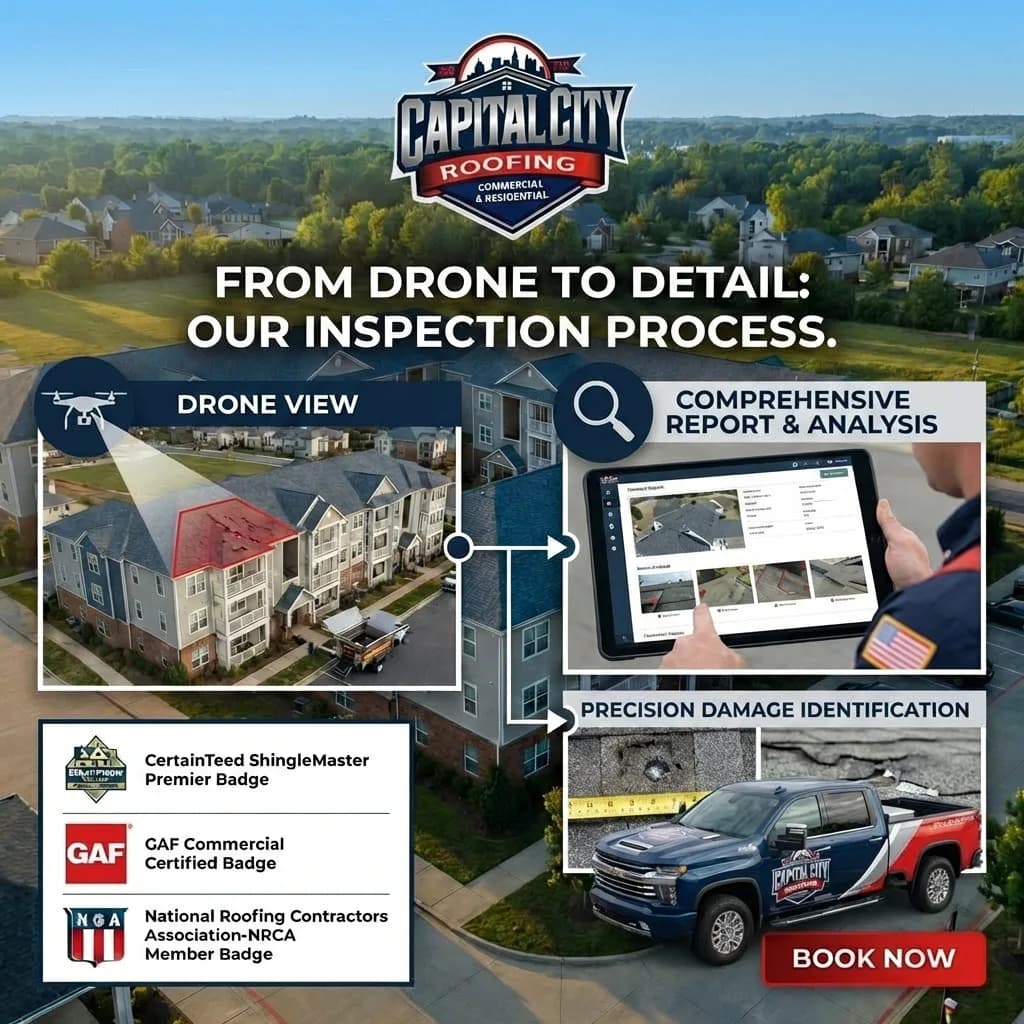
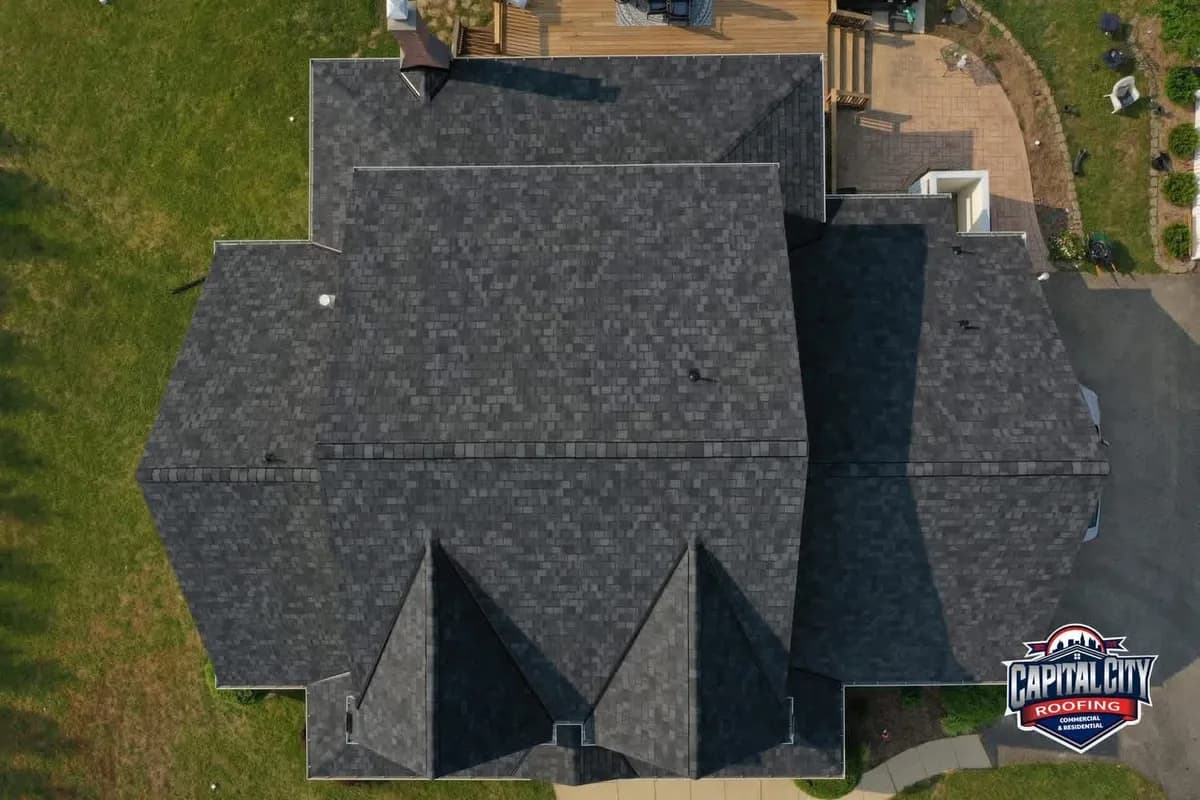
A documented baseline matters here more than almost anywhere. Our free 27-Point Inspection is drone-flown and photo-documented, capturing the seal condition, ridge caps, and flashing transitions at a level of detail you simply cannot get from the ground. Keeping those images on file gives you a dated record of your roof's pre-storm condition, which is exactly the kind of evidence Georgia carriers increasingly look for when separating fresh wind damage from ordinary wear.
Acting in the Right Order After a Wind Event
When high winds pass, resist the urge to climb up yourself. Walk the perimeter, photograph anything visible such as shingles in the yard or bent gutter sections, and check the attic for daylight or damp sheathing. Then schedule a professional assessment promptly. Damage that goes undocumented for weeks is harder to attribute to a specific storm, and deductibles still apply regardless of timing.
It also helps to understand how a payout is typically calculated. Whether your policy settles on an actual cash value or replacement cost basis changes the math considerably, and depreciation is often withheld until the work is complete. Knowing those terms before you file keeps expectations realistic; we never promise a particular outcome, only thorough documentation that gives your claim its best footing.
If you would rather have a credentialed eye on the roof before you call your carrier, reach out to our team and we will walk the property with you. As a GAF Master Elite and CertainTeed ShingleMaster Premier contractor, we serve Roswell, Sandy Springs, and the surrounding metro Atlanta communities with the same standard on every wind inspection.
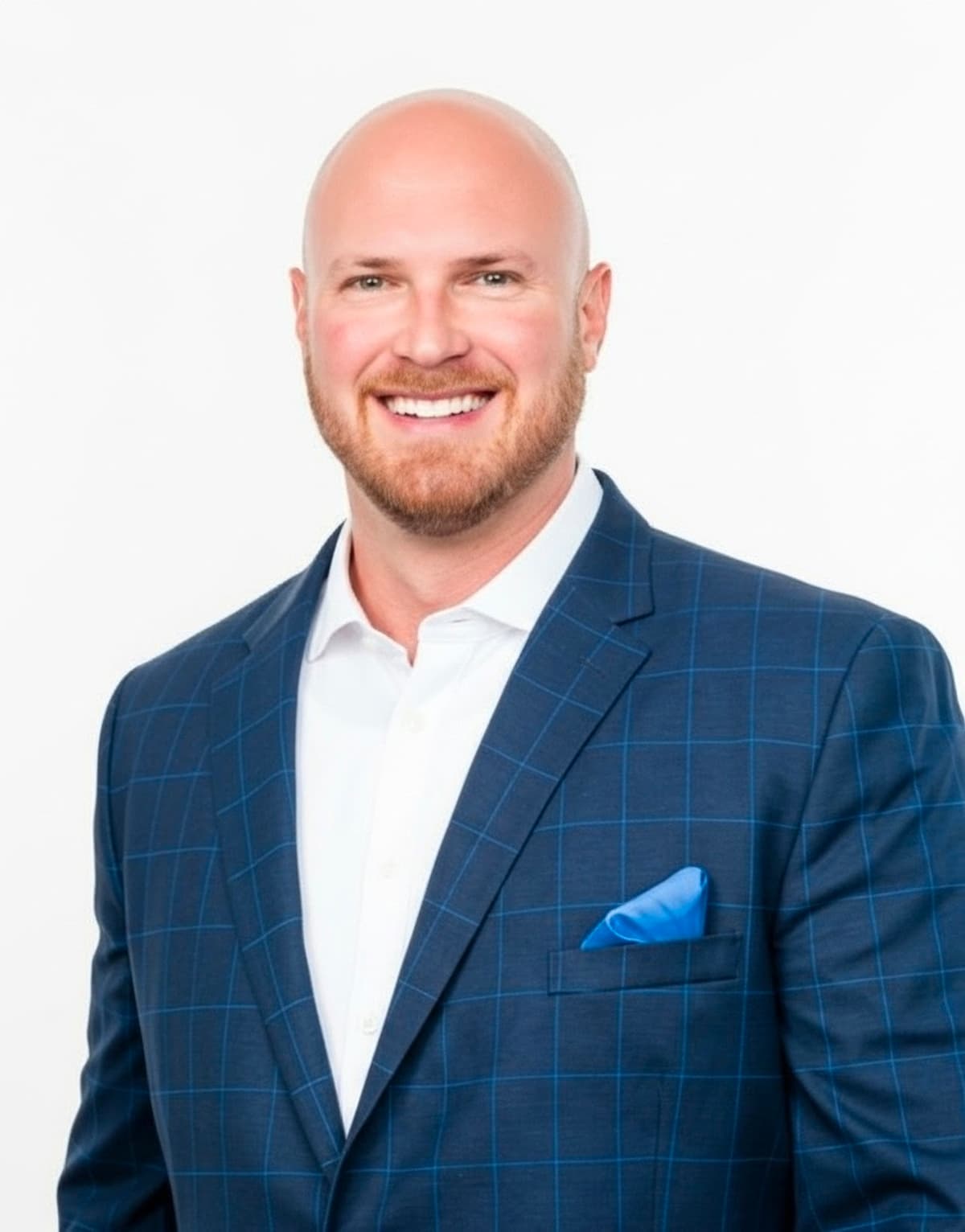
Brad Strawbridge
Founder & CEO · Forbes Business Council Member • RT3 & NRAP Board of Directors • GAF Master Elite® • CertainTeed ShingleMaster™ • NRCA Residential & Workforce Development Committees
Brad Strawbridge is the Founder and CEO of Capital City Roofing, bringing over a decade of hands-on expertise to the industry. He is an official member of the Forbes Business Council, the invitation-only community for vetted senior-level business leaders, and serves on the Boards of Directors of the Roofing Technology Think Tank (RT3) and the National Roofing Apprenticeship Program (NRAP). A member of the National Roofing Contractors Association (NRCA), Brad has been appointed to the NRCA Residential Roofing Committee and the NRCA Workforce Development Committee, helping set national standards for installation quality and the future of the roofing labor force. Under his leadership, Capital City Roofing has earned GAF Master Elite and CertainTeed ShingleMaster Premier, the top contractor credential from each manufacturer.