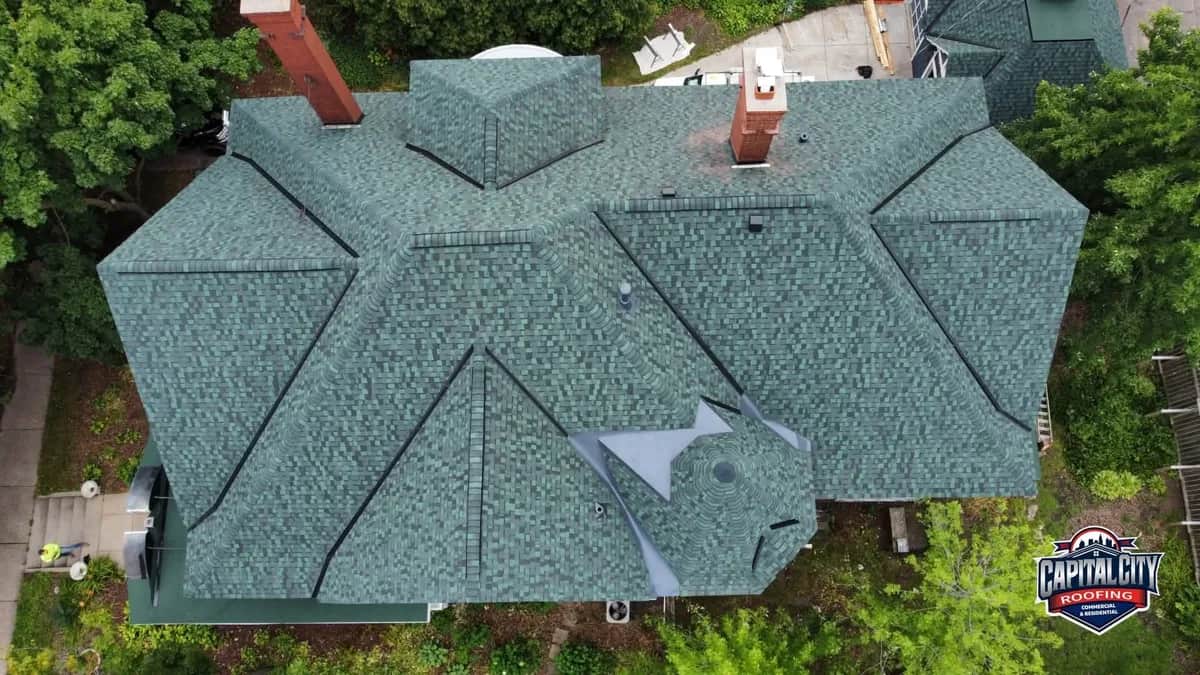
Tornado Preparedness: Protecting Your Roof and Home
Essential tornado preparation steps for Georgia homeowners, including roof reinforcement and emergency planning.
Georgia averages 30 tornadoes annually, with peak season from March through May.
Pre-Tornado Preparation
Schedule annual professional roof inspections to identify vulnerabilities before storm season. Ensure proper roof-to-wall connections meet current building codes. Trim trees within 20 feet of your home. Document your roof's condition with photos and videos for insurance purposes.
Understanding Tornado Ratings
The Enhanced Fujita Scale rates tornadoes from EF0 (65-85 mph) to EF5 (over 200 mph). Georgia most commonly experiences EF0-EF2 tornadoes, though stronger tornadoes do occur. Understanding these ratings helps homeowners assess damage and insurance claims.
Post-Tornado Safety
Never enter a damaged structure without professional assessment. Once authorities declare the area safe, document all damage extensively. Capital City Roofing offers emergency response throughout Georgia, typically arriving within 2-4 hours.
Insurance Claims
Tornado damage is covered under most Georgia homeowners policies. We coordinate with adjusters, ensuring complete damage documentation. Read our guide on tornado roof damage repair for more information.
Hardening the Roof Before the Sirens
Most tornado damage homeowners can influence comes down to connections, not the field of the roof itself. The weakest links are usually the edges, where the roof meets the wall, and the soffit and gable vents that let pressurized air push into the attic. Hurricane clips or straps at the rafter-to-wall junction, properly nailed starter strips along the eaves, and sealed roof-deck seams all give the assembly a fighting chance against the sudden uplift an EF1 or EF2 produces. These are details worth confirming during any reroof or repair in storm-prone communities like Marietta and Cumming.
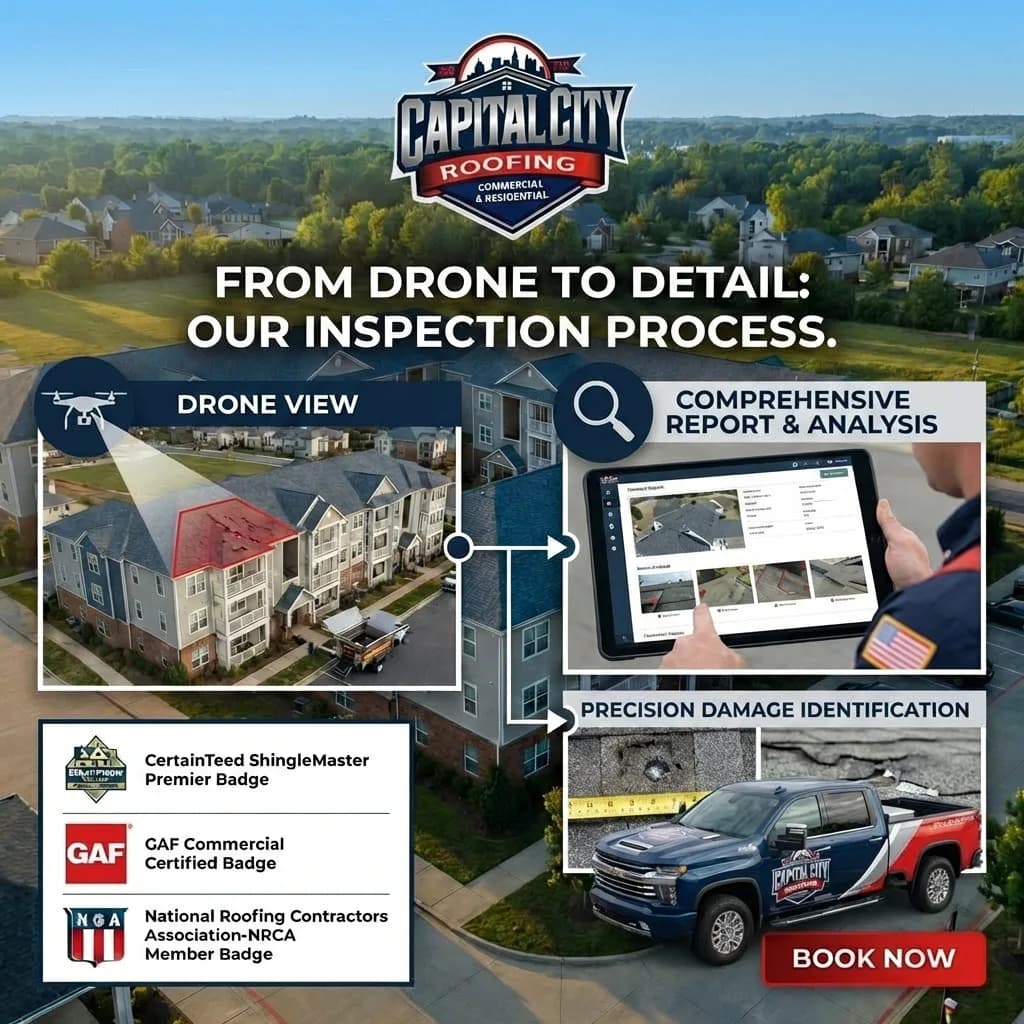
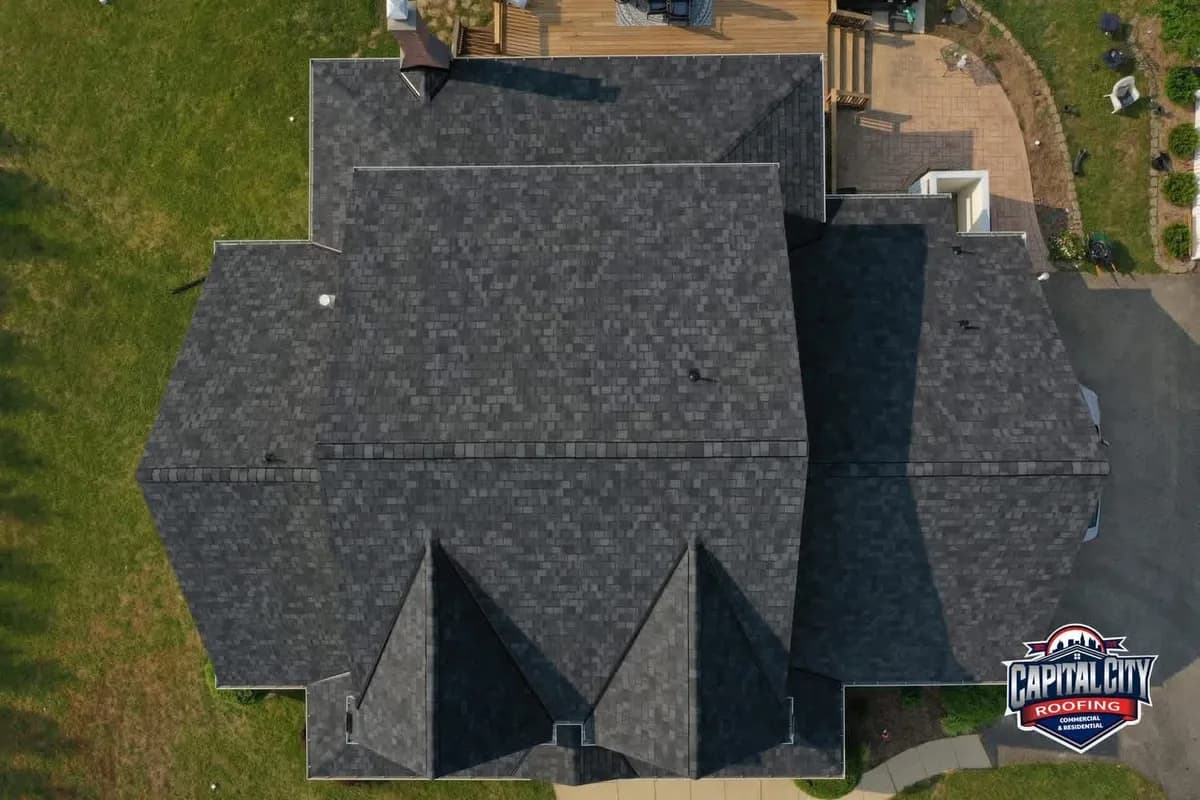
Ventilation deserves a second look too. Ridge and soffit vents that are correctly balanced help relieve pressure, but loose or oversized openings can become entry points in a violent wind. A professional eye can tell the difference. Our drone-flown, photo-documented free 27-Point Inspection records the condition of these connection points and creates a dated baseline you can keep on file long before any warning is issued.
After the Storm: Patience and Documentation
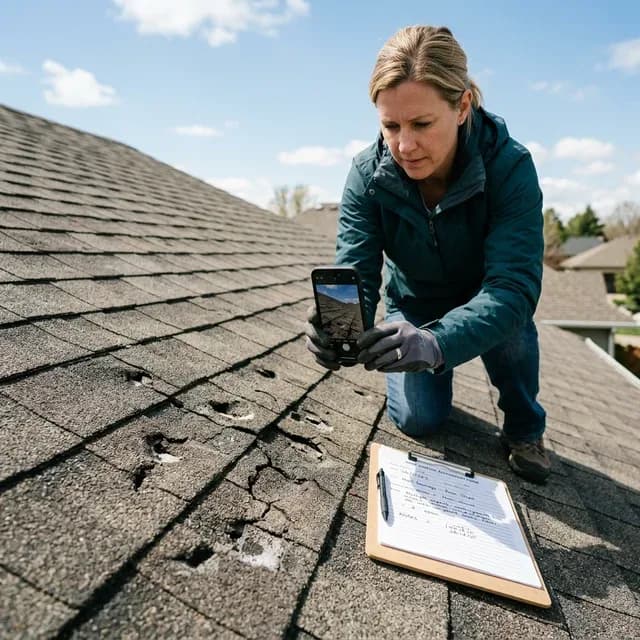
When a tornado has passed, treat the property as unsafe until authorities and a qualified inspector say otherwise. Downed lines, weakened trusses, and hidden debris make a damaged roof no place to be. Once cleared, photograph everything methodically: wide shots that establish context, then close-ups of torn flashing, displaced decking, or punctures from flying debris.
Tornado claims often involve more than the roof, so keep your documentation organized by area of the home. Georgia carriers increasingly expect thorough evidence, and remember that your deductible applies and that depreciation may affect the initial payout depending on whether your policy is written on an actual cash value or replacement cost basis. We document conditions honestly and completely; we never guarantee a specific settlement.
If your neighborhood has taken a direct hit and you need a credentialed assessment, contact our team to coordinate a visit. We respond throughout metro Atlanta, including Marietta and Cumming, and bring the same dual-certified standard to emergency work that we bring to a planned replacement. Keeping a current, dated inspection on file before the season turns active is the single best way to make any future claim cleaner, and our drone-flown free 27-Point Inspection provides exactly that documented baseline.
Brad Strawbridge
Founder & CEO · Forbes Business Council Member • RT3 & NRAP Board of Directors • GAF Master Elite® • CertainTeed ShingleMaster™ • NRCA Residential & Workforce Development Committees
Brad Strawbridge is the Founder and CEO of Capital City Roofing, bringing over a decade of hands-on expertise to the industry. He is an official member of the Forbes Business Council, the invitation-only community for vetted senior-level business leaders, and serves on the Boards of Directors of the Roofing Technology Think Tank (RT3) and the National Roofing Apprenticeship Program (NRAP). A member of the National Roofing Contractors Association (NRCA), Brad has been appointed to the NRCA Residential Roofing Committee and the NRCA Workforce Development Committee, helping set national standards for installation quality and the future of the roofing labor force. Under his leadership, Capital City Roofing has earned GAF Master Elite and CertainTeed ShingleMaster Premier, the top contractor credential from each manufacturer.