Super El Niño Is Coming: How to Upgrade Your Roof Before the Next Storm Season (Featured in Realtor.com)
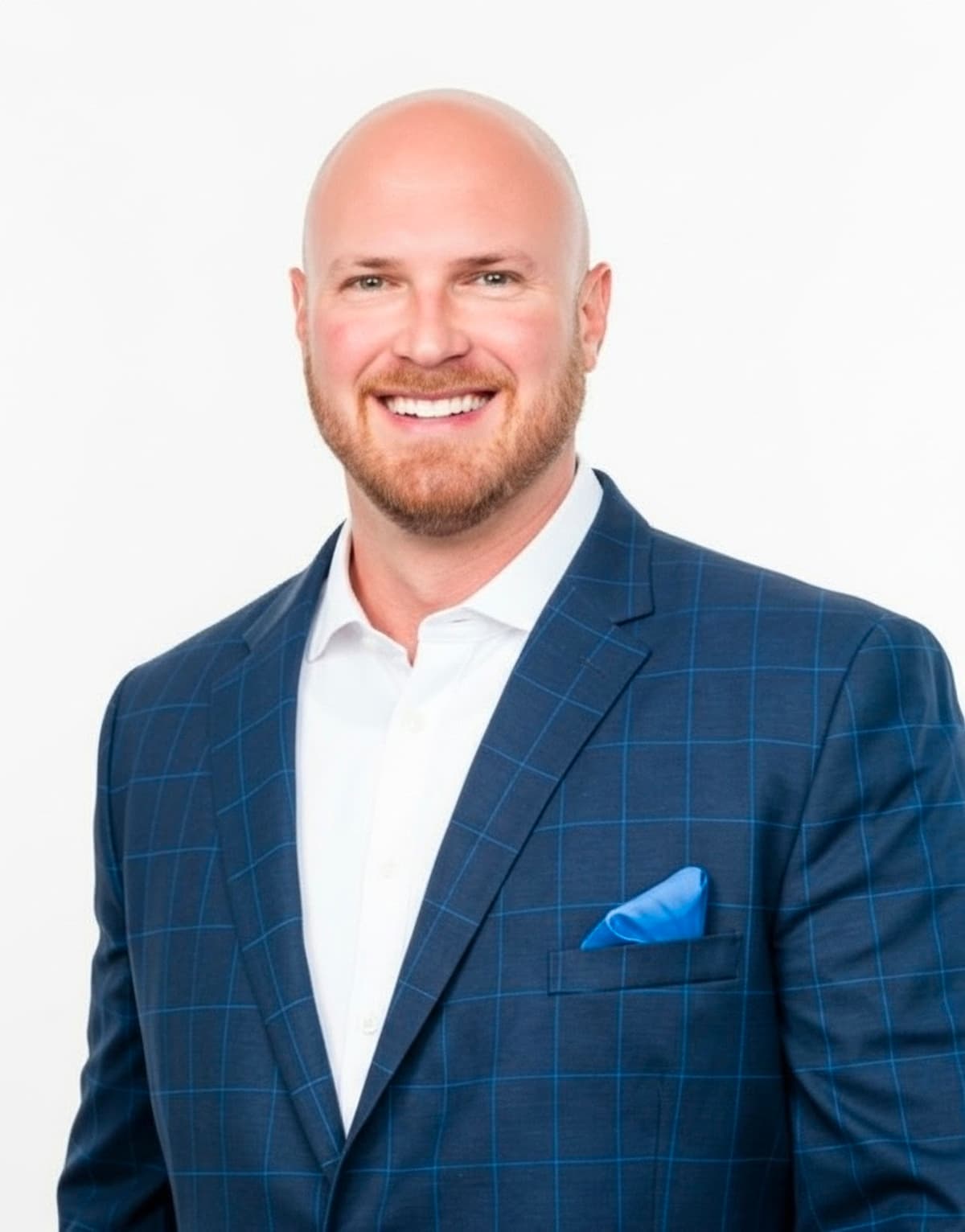
Capital City Roofing CEO Brad Strawbridge was featured as the expert source in Realtor.com's Super El Niño weather warning piece on roof upgrades. Here is the full homeowner playbook for the upcoming severe weather pattern: pre-season inspection, Class 4 impact-resistant shingles, insurance-discount eligibility, and what to do before the carrier knows more about your roof than you do.
Capital City Roofing founder and CEO Brad Strawbridge was featured as the expert source in a Realtor.com piece on the Super El Niño weather warning and the roof upgrades homeowners should make before the next storm season. Realtor.com is the largest consumer real estate publication in the United States, and the editorial team selected Brad to translate the meteorological forecast into a practical playbook for homeowners. This post is the expanded company-side guide for homeowners across Greater Atlanta, Greater Nashville, and the broader Southeast who want to act on the Realtor.com piece.
What Realtor.com covered
NOAA and the major climate-modeling agencies have flagged the upcoming severe weather cycle as a Super El Niño pattern. For the Southeast, that translates into elevated risk of severe thunderstorms, large-hail events, high straight-line wind, tornado outbreaks, and heavier rainfall through the winter and spring storm window. The Realtor.com editorial team built the piece around one practical question for homeowners: which roof upgrades actually matter before storm season hits, and which ones are cosmetic.
Brad's role in the article was to give the homeowner-side answer: which upgrades have a measurable insurance discount attached, which upgrades change whether a roof survives a hail or wind event, and which upgrades are theater. The piece is built for homeowners across the country, but the Southeast is the region where the upgrade decisions actually pay off this cycle: Georgia, Tennessee, the Carolinas, Florida, and Alabama.
If you own a home in any of those markets, read the full Realtor.com article first. This post is the expanded, fully-cross-linked version of the same playbook, with Capital City Roofing's specific guidance for our service area.
Why Super El Niño hits Southeast roofs harder
Super El Niño is the strong-cycle version of the El Niño pattern that shifts the jet stream across North America. For the Southeast in particular, the documented historical pattern is:
- More frequent severe thunderstorm clusters. Atlanta, Nashville, Birmingham, and the broader Southeast corridor sit inside the active severe-weather alley that Super El Niño years amplify.
- Larger hail. Quarter-sized and above is the threshold that consistently produces functional roof damage on standard architectural shingles. Super El Niño cycles drive a measurable jump in hail events above that threshold.
- Higher straight-line wind. Gusts above 60 mph routinely lift older 3-tab and lower-grade architectural shingles. Damage from wind is often misdiagnosed as installation defect on the first claim, which is one of the reasons documentation matters.
- Heavier rainfall over compressed windows. This is where flashing, valleys, gutters, and drainage get tested. Most Atlanta-area roof leaks are not shingle failures. They are flashing and drainage failures the homeowner only discovers when a major rain event overwhelms the system.
The combination is what makes the Realtor.com warning worth acting on. A roof that is "fine for the average year" is not the same as a roof that survives a Super El Niño cycle.
What Brad recommended in the Realtor.com piece
The Realtor.com article pulled directly on Brad's storm-restoration expertise. The short version of the homeowner playbook:
1. Get the pre-season inspection on the calendar now
The single highest-leverage thing a homeowner can do before storm season is a documented pre-season inspection. The inspection produces two outputs:
- A baseline condition report. This is what protects the insurance claim if a storm hits. Without a pre-storm baseline, the carrier can argue that the damage was pre-existing, even when it was not.
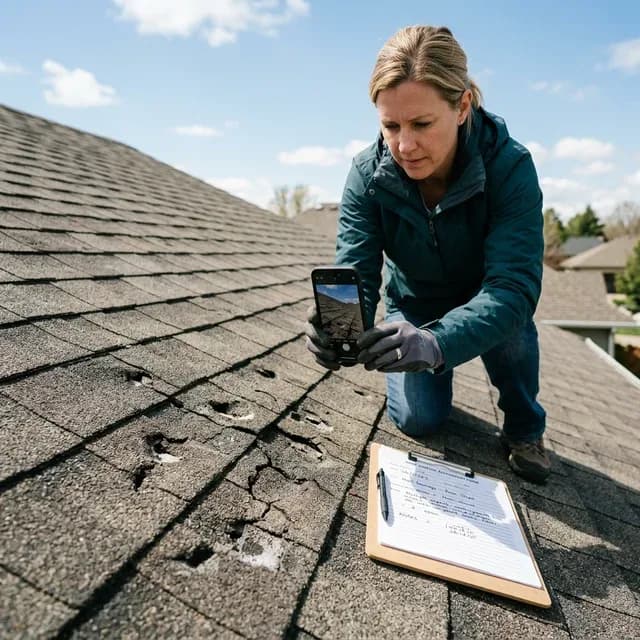
- A repair list before failure. Cracked sealant on flashing, lifted shingles at the rake, gutter detachment, missing pipe boots, displaced ridge caps. Every one of those is cheap to fix in May and catastrophic to leave for the first August hail event.
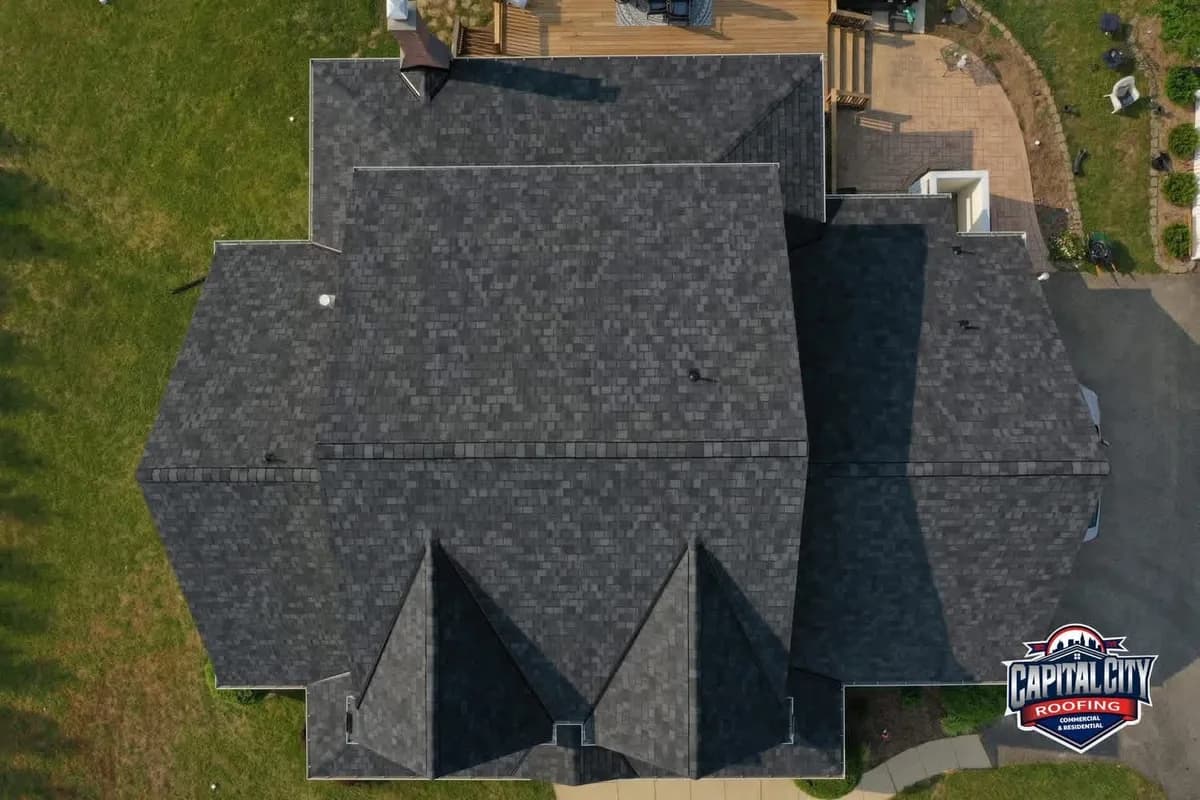
Capital City Roofing's free 27-Point Inspection is the standardized version of this: drone-captured, photo-documented, written report. It is the pre-storm baseline insurance carriers will recognize. Brad's recommendation in the Realtor.com piece is unambiguous: do not wait for the storm to find an inspector.
2. Upgrade to Class 4 impact-resistant shingles at the next replacement
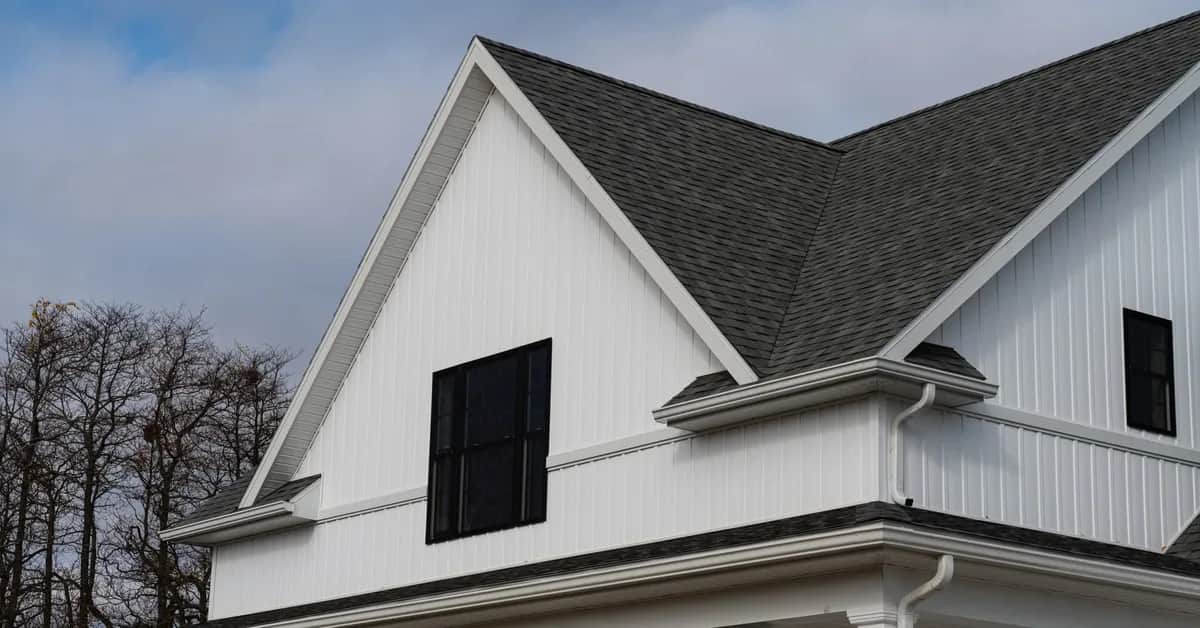
If your roof is approaching replacement age, the single most important spec decision is upgrading to Class 4 impact-resistant shingles: GAF Timberline AS II, CertainTeed NorthGate ClimateFlex, or equivalent.
The Class 4 rating is the highest impact resistance UL grants to a residential roof shingle. The practical difference shows up in two places:
- Storm survival. A Class 4 shingle is engineered to absorb impact from large hail (1.5"+) without fracturing. A standard architectural shingle in the same impact event will commonly need replacement.
- Insurance discount. Georgia carriers typically offer 5% to 28% annual premium discounts for verified Class 4 roofs. Tennessee and the Carolinas have similar discount programs. The discount alone often offsets the upgrade cost over the warranty life of the roof. Check with your carrier directly to confirm your specific discount.
For homeowners in our service area, this is no longer a "nice upgrade" decision. The combination of the carrier visibility shift, the 2026 Georgia building code updates, and the Super El Niño forecast makes Class 4 the spec floor on every new Atlanta-area replacement going forward. The same logic applies in Greater Nashville and the Charleston market our licensing partners serve.
3. Fix the gutters, flashing, and drainage before the rain shows up
Most homeowner roof failures during heavy-rain events are not shingle failures. They are:
- Flashing failures at chimneys, skylights, valleys, and roof-to-wall transitions.
- Pipe boot failures at plumbing penetrations. Pipe boots typically fail before the shingles do.
- Gutter and downspout failures. Detached gutters, undersized downspouts, and outlets that dump water against the foundation all show up as "roof leaks" inside the house.
- Valley liner failures. Valleys that were dry-finished or under-flashed at the original install start leaking under sustained rainfall.
Every one of those is cheap to fix in May. Every one of those becomes a structural water-damage claim when ignored through a Super El Niño cycle.
4. Document, document, document
Across the Realtor.com piece, the Bottom Line Inc hail damage feature, and every other consumer media engagement, Brad's repeated guidance is consistent: documentation is the single most powerful tool a homeowner has when a claim is in dispute.
Before storm season:
- Get the pre-season inspection report.
- Photograph the roof from the ground at four corners.
- Save the receipts on any recent roof work.
- Note the install date and the shingle manufacturer and product line.
During and after a storm:
- Photograph hail size against a coin or a ruler.
- Video falling hail from a safe interior vantage point.
- Photograph any visible damage immediately. Do not wait days.
- Save weather reports for the date in question.
Without that documentation, the carrier conversation is the carrier's word against yours. With it, you have the file you need to win the claim conversation. The full storm damage documentation guide covers this in depth.
5. Hire the contractor before you need them, not after
Every Super El Niño cycle ends the same way: a wave of door-knocking storm-chaser contractors flood the affected neighborhoods within days of a major hail event. Many of them commit insurance fraud against both the carrier and the homeowner. Many of them are uninsured, unlicensed, and untraceable two weeks later.
Brad's published rule of thumb, repeated to Realtor.com:
- Do not hire the first person who knocks on your door after a storm.
- Research the contractor before the storm. Check Google reviews, BBB record, manufacturer certifications (GAF Master Elite, CertainTeed ShingleMaster Premier, GenFlex Commercial Certified are the credentials that matter), and the Roofing Alliance Guarantor Member directory.
- Partner with a contractor who speaks intelligently about your claim process. If they can't explain Xactimate, supplements, depreciation, or the difference between ACV and RCV, they are not the contractor you want managing your claim.
For deeper coverage of contractor evaluation, see How to Choose the Right Roofing Contractor and Best Roofing Company in Atlanta: What to Look For.
Capital City Roofing's storm-season credential stack
When the Super El Niño cycle hits, the credential stack behind a contractor is what determines whether your claim moves fast or stalls out. Capital City Roofing's full stack:
- GAF Master Elite Contractor: the top 2% of GAF-certified contractors in North America. See the Master Elite announcement.
- GAF Commercial Certified
- CertainTeed ShingleMaster Premier
- GenFlex Commercial Certified
- Roofing Alliance Guarantor Member: see the Roofing Alliance induction announcement.
- Google Guaranteed
- NRCA Member: Residential Roofing Committee and Workforce Development Committee appointments.
- Roofing Technology Think Tank (RT3) Board of Directors
- Forbes Business Council Member: see the Forbes Business Council acceptance.
- 309 Google reviews at 5.0 stars
Full certification details at /certifications. More on the people, the operating system, and the standards behind the brand at /why-capital-city-roofing.
The technology behind the storm response
When a Super El Niño storm event hits the service area, response speed is the difference between a contained claim and a structural water-damage claim. Capital City Roofing runs on BuilderLync, the AI-driven CRM and operating platform Brad co-founded specifically for roofing contractors. BuilderLync handles:
- Sub-minute inbound response. A storm-damage inquiry hits the routing engine within seconds of submission.
- Inspection capture. Drone imagery, photo documentation, and the 27-Point Inspection workflow are built into the platform.
- Insurance supplements. Xactimate-formatted documentation flows through the platform end-to-end, with the supplement workflow most contractors fight with manually.
- Job-level photo organization. Every photo lives against the job record, every time. No more lost folders.
BuilderLync hits its V1 public launch on June 1, 2026. For homeowners, the experience shows up as faster response, better documentation, and a claim file the carrier can process without back-and-forth. For more on the platform, see BuilderLync Aligns C-Suite, Sets June 1 Launch.
What Capital City Roofing licensees in other markets deliver
The storm-response system is not unique to our Atlanta and Nashville flagship operations. Every operator on the Capital City Roofing Licensing Platform inherits the same inspection methodology, the same documentation standards, the same BuilderLync operating layer, and the same credential framework. A homeowner working with a Capital City Roofing licensee in Charleston, in the upcoming Texas markets, or in any future market gets the same storm-response fidelity as a homeowner working with us directly in Atlanta.
For deeper coverage of what licensees inherit, see What Roofing Operators Inherit on the Capital City Roofing Licensing Platform. For the structural design choices behind the licensing model vs. franchising, see Why We Built Capital City Licensing Instead of Becoming a Franchise.
Related Capital City Roofing storm-season resources
The Realtor.com piece is the high-level homeowner warning. The deeper, evergreen resources on this site cover each piece in detail:
- Georgia's Storm Season: What Homeowners Should Expect
- How to Prepare Your Roof for Storm Season
- Hurricane Season Roof Checklist
- How to Identify, Repair & Prevent Hail Damage (Bottom Line Inc Expert Feature)
- Understanding Hail Damage: The Complete Homeowner Guide
- Post-Storm Roof Inspection Guide
- Storm Damage Documentation Guide
- Emergency Roof Tarping: When and Why You Need It
- Alpharetta Residential Roofing in 2026: Storm Season Upgrades and Insurance Savings
For our institutional and large-HOA multifamily readers, the parallel multifamily series covers how Super El Niño-class events show up on portfolio insurance renewals:
- In Multifamily Real Estate, Insurance Companies Now Know Your Roof Better Than You Do (KeyCrew feature)
- Property Innovation Journal: Insurance Companies Now Know Your Multifamily Roof Better Than You Do
- Next Asset News: Georgia Multifamily Owners Are Prioritizing Cosmetic Upgrades Over Roof Replacement
- The Multifamily Roof Capex Conversation: Allocating Capital Around Insurance-Driven Decisions
- Deferred Roof Maintenance: The Silent NOI Killer in Multifamily
Where to go from here
Homeowner in Greater Atlanta or Greater Nashville? Get the pre-season inspection on the calendar before the Super El Niño cycle hits the service area. Schedule your free 27-Point Inspection or contact our team directly.
Multifamily owner or asset manager? The conversation starts at brad@capitalcityroofing.net. The CCR Condition Index methodology gives you the portfolio data the carrier already has.
Roofing operator in another market? The Capital City Roofing Licensing Platform is the structure for running the same playbook in your region. The conversation starts at licensing@capitalcityroofing.net.
Contractor who wants the technology layer alone? BuilderLync V1 trial sign-ups open June 1, 2026.
Every roof Capital City Roofing replaces also funds the Feeding the Future Project, the 501(c)(3) Brad founded with a goal of feeding one million children in ten years. Revenue funds the mission.
About the Expert
Brad Strawbridge is the founder and CEO of Capital City Roofing, a GAF Master Elite and CertainTeed ShingleMaster Premier certified contractor serving Greater Atlanta, Greater Nashville, Charleston, and licensed markets across the Southeast. He is a Forbes Business Council member, a Roofing Alliance Guarantor Member, and serves on the NRCA Residential Roofing and Workforce Development Committees. He was selected as the featured expert source for the Realtor.com Super El Niño roof upgrade piece.
Learn more: Capital City Roofing Licensing Platform | BuilderLync | Brad Strawbridge | Feeding the Future Project
Brad Strawbridge
Founder & CEO · Forbes Business Council Member • RT3 & NRAP Board of Directors • GAF Master Elite® • CertainTeed ShingleMaster™ • NRCA Residential & Workforce Development Committees
Brad Strawbridge is the Founder and CEO of Capital City Roofing, bringing over a decade of hands-on expertise to the industry. He is an official member of the Forbes Business Council, the invitation-only community for vetted senior-level business leaders, and serves on the Boards of Directors of the Roofing Technology Think Tank (RT3) and the National Roofing Apprenticeship Program (NRAP). A member of the National Roofing Contractors Association (NRCA), Brad has been appointed to the NRCA Residential Roofing Committee and the NRCA Workforce Development Committee, helping set national standards for installation quality and the future of the roofing labor force. Under his leadership, Capital City Roofing has earned GAF Master Elite and CertainTeed ShingleMaster Premier, the top contractor credential from each manufacturer.